The Best Houseplants for North-Facing Windows
In the northern hemisphere, a north-facing window gets soft, even, indirect light for the whole day and never any direct sun. That’s a distinct condition from a dim corner several feet from any window — see best low-light houseplants for plants suited to that darker situation — and also different from the strong light a south-facing window provides. Plants that want bright indirect light without the risk of leaf scorch tend to do especially well here. (If you’re in the southern hemisphere, this is effectively the light profile of a south-facing window instead — match the plant to the actual light your window gives, not the compass direction.) See how much light do houseplants need if you want to check your assumptions before picking plants for a specific spot, or which window direction is best for houseplants for how all four exposures compare.
Pothos
Pothos grows well in the steady, gentle light a north-facing window provides, and holds a fuller, faster-growing shape here than it would in a genuinely dim room. It’s also forgiving enough that a slightly duller or brighter spot than ideal won’t set it back much.
Peace lily
Peace lilies do well in this kind of consistent indirect light and will even flower here, though blooms are sparser than in brighter conditions. Their dramatic wilt-and-recover response to thirst makes them easy to keep on track without guesswork.
Calathea
The soft, filtered light of a north-facing window suits calathea better than almost any other common exposure — direct sun scorches its patterned leaves, but too little light dulls the coloring, and this window strikes the balance. Humidity still matters more than light for keeping this one looking its best.
Chinese money plant
Chinese money plant grows compact and full in bright indirect light without direct sun, which is exactly what a north-facing window offers. In dimmer spots it tends to stretch and lean hard toward whatever light it can find.
Parlor palm
Parlor palm is one of the more shade-tolerant palms, and a north-facing window gives it enough steady light to grow well without the crisping that direct sun causes on its thin fronds.
English ivy
English ivy tolerates a range of light but looks fullest and holds its variegation best in bright, indirect conditions like this one, rather than either harsh direct sun or a dim interior spot.
Philodendron
Most vining philodendrons grow steadily in the even light a north-facing window provides. It’s a safer spot for them than a hot, sun-drenched window, which can scorch their leaves faster than most people expect.
Spider plant
Spider plants are adaptable, but they produce fuller growth and more of their arching plantlets in bright indirect light than they do in a dim corner — a north-facing window is a reliable middle ground.
ZZ plant
ZZ plants will tolerate considerably less light than this, but they also grow noticeably faster and fuller in the brighter indirect conditions a north-facing window provides, without any risk of the leaf scorch that direct sun would cause.
What this window won’t do
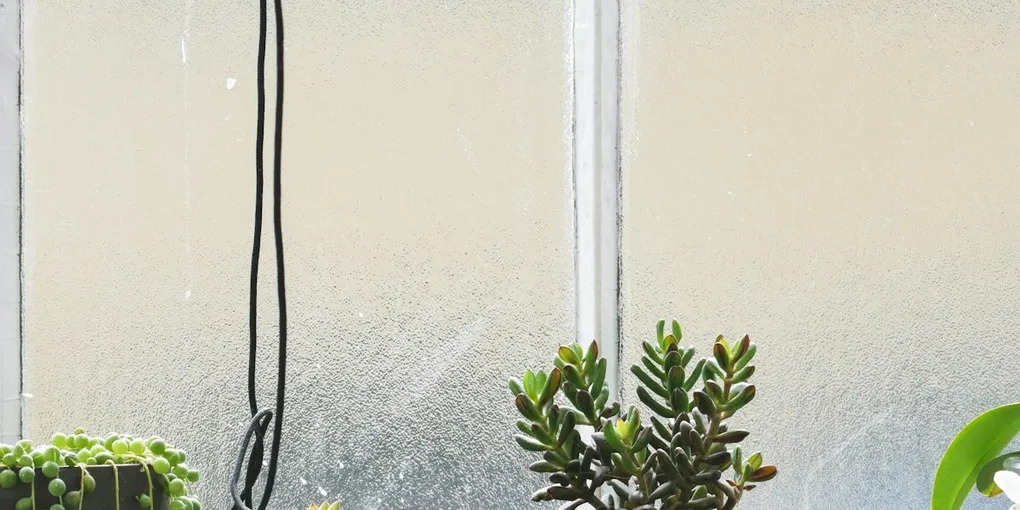
A north-facing window won’t support plants that genuinely need some direct sun to thrive — succulents, cacti, and sun-loving flowering plants will usually stretch and fade here over time. For those, a south- or west-facing window is a better match.