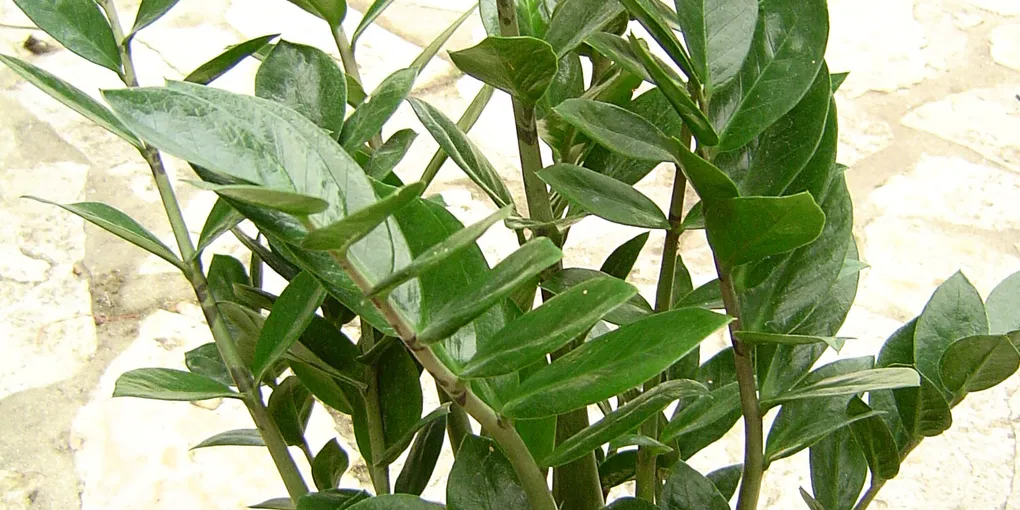
How to Care for a ZZ Plant
The ZZ plant (Zamioculcas zamiifolia) has a reputation as nearly indestructible, and it’s earned. Its glossy, waxy leaves and thick stems store water below the soil line, which means the plant is built to survive neglect far better than it survives attention. Most ZZ plant problems come from someone trying too hard, not too little.
Light
ZZ plants tolerate low light extremely well — genuinely, not as a marketing line. They’ll survive in a dim corner or an office with only fluorescent light overhead. They also do fine in bright, indirect light, and will grow a bit faster there. What they don’t want is direct sun for hours at a stretch, which can scorch the leaves. If you’re furnishing a room with no natural light at all, a ZZ plant is one of the better candidates on the list of low-light houseplants, though even it needs some ambient light to survive long-term.
Watering
This is where most ZZ plants actually die — not from underwatering, but from overwatering. The plant grows from thick, potato-like rhizomes underground that store water reserves, so it’s built to shrug off missed waterings for weeks. Let the soil dry out completely before watering again, then water thoroughly. If you’re unsure whether to water, wait a few more days — with a ZZ plant, that’s almost always the safer call. See watering houseplants the right way for how to judge soil dryness by feel instead of a fixed schedule.
Soil and pot
Use a well-draining potting mix and a pot with a drainage hole. Because the rhizomes are already storing water, soil that stays soggy around them is the fastest way to cause rot — drainage matters more here than for most houseplants. A standard mix cut with perlite works well; see the best soil mix for houseplants for ratios. When it’s time to size up, keep the new pot only modestly bigger than the old one — this plant is sensitive enough to excess moisture that oversizing the pot just gives root rot more room to take hold.
Growth habit
ZZ plants are naturally slow growers, even under ideal conditions. Low light will slow growth further, but it won’t harm the plant — it’ll simply put out new stems less often. Don’t mistake slow growth for a struggling plant; as long as the existing leaves are firm, glossy, and green, it’s doing fine.
Toxicity
ZZ plants are mildly toxic to cats, dogs, and people if chewed or ingested, causing mouth and stomach irritation. Keep them out of reach of curious pets.
Common problems
Yellow leaflets are almost always a sign of overwatering. Because the rhizomes already hold a reserve of water, additional water on top of that reserve is more likely to cause harm than good. Let the soil dry out fully, cut back on frequency, and check that the pot actually drains. If the rhizomes themselves feel mushy rather than firm, see how to fix root rot before the damage spreads.
Stems bending or flopping over usually means one of two things: not enough light, or a pot that’s too small for how top-heavy the plant has become. Try moving it somewhere brighter first. If the plant is dense and clearly outgrowing its container, a slightly larger pot will give the rhizomes more room to support the stems above them.
No new growth for a long stretch is often just the plant’s normal slow pace, especially in lower light. Check that watering and light are reasonable before assuming something’s wrong — with a ZZ plant, doing less is usually the fix, not doing more.