How to Care for a Pothos
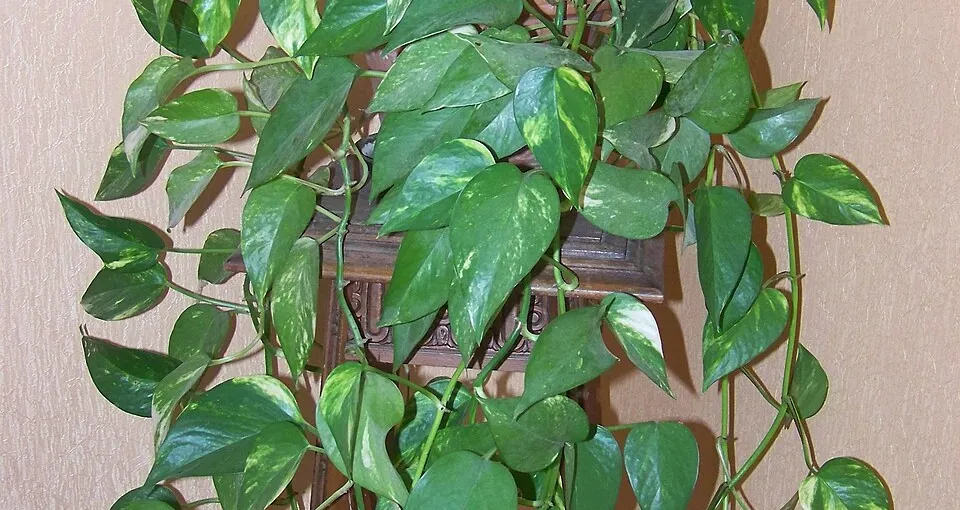
Pothos (Epipremnum aureum) has earned its reputation as one of the easiest houseplants you can own. It tolerates the kind of neglect that kills less forgiving plants, adapts to almost any light in a home, and grows fast enough that mistakes are easy to correct.
Light
Pothos is highly adaptable and will survive in low light, but how much light it gets directly affects how it looks. In bright, indirect light, variegated varieties keep their crisp white or yellow patterning. In low light, that variegation fades and new leaves tend to grow back mostly or entirely solid green — the plant reverting to the most efficient way to photosynthesize with what it’s got. The plant won’t die from this, but if you specifically want the marbled look, give it brighter indirect light.
Watering
Let the top 1-2 inches of soil dry out before watering again. Pothos is very forgiving of a missed watering or two — the leaves will droop noticeably when the plant is thirsty, which is your cue to water, and they bounce back within a few hours of a good soak. What it doesn’t tolerate well is the opposite: soil that stays wet. For a full method on judging by feel instead of a fixed schedule, see watering houseplants the right way.
Soil and pot
A standard, well-draining potting mix works fine — pothos isn’t picky about soil composition the way an aroid like Monstera can be. What matters more is drainage: use a pot with a drainage hole so excess water doesn’t sit around the roots.
Propagation
Pothos is one of the easiest houseplants to propagate. Snip a stem cutting just below a node (the small bump where a leaf meets the vine — this is where roots form), drop it in a glass of water, and roots typically appear within a couple of weeks. From there you can pot it up directly or just leave it growing in water. For step-by-step details, see how to propagate houseplants from cuttings.
Toxicity
Pothos is mildly toxic to cats and dogs if chewed, causing oral irritation and stomach upset — keep it out of reach of curious pets, or choose from pet-safe houseplants for cats and dogs instead.
Common problems
Yellow leaves are almost always a sign of overwatering — soil that’s staying wet between waterings rather than drying out. Cut back on frequency and check that the pot actually drains before looking for any other cause.
Legginess and sparse vines happen when a pothos doesn’t get enough light — it stretches out long bare stems with leaves spaced far apart instead of growing bushy. Moving it to a brighter spot helps going forward, but the fastest fix for vines that are already leggy is to trim them back. Cutting just above a node forces the plant to branch out from lower down instead of continuing to grow as one long trailing vine, and you can root the cuttings you remove to fill the pot back in. See how to fix a leggy, stretched-out houseplant for the full approach.
Slowed growth in winter or low light is normal, not a problem to solve. Pothos simply grows slower with less available light — water less often in these stretches since the soil will take longer to dry out.