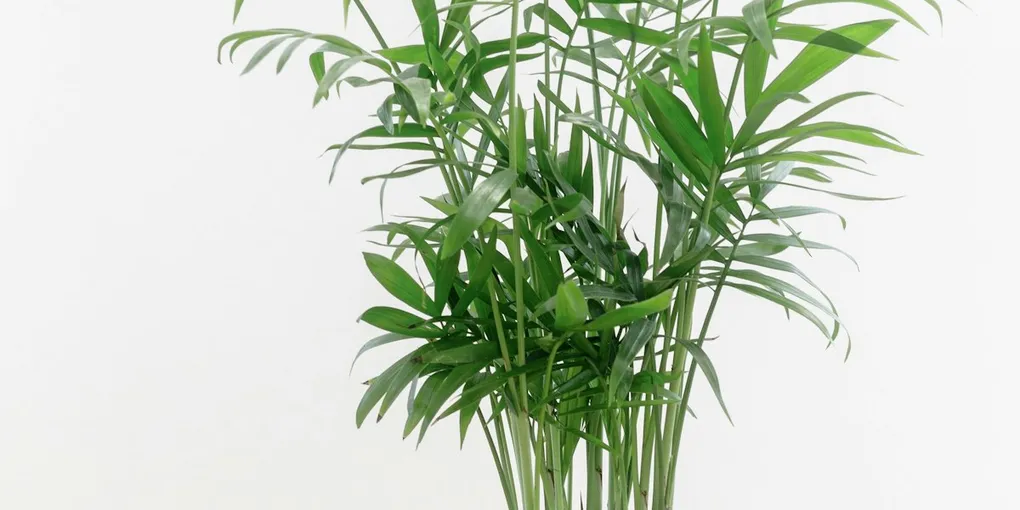
How to Care for a Parlor Palm
Parlor palm (Chamaedorea elegans) has been a staple houseplant since the Victorian era, and for good reason: it’s one of the few true palms that actually tolerates low light instead of merely surviving it. Where most palms need bright conditions to look full and healthy, a parlor palm does well tucked into a dim corner, which is why it shows up so often in offices and interior rooms with little natural light.
Light
Low to medium indirect light is where this plant genuinely thrives, not just tolerates. In its native range, parlor palm grows in the understory of Mexican and Central American rainforests, shaded by a canopy overhead, so it’s naturally adapted to filtered, indirect conditions rather than harsh sun. That makes it one of the better true palms for low-light rooms and offices and desks where a window is either small, far away, or nonexistent. Avoid direct sun entirely — it scorches the thin fronds, leaving bleached or brown patches that won’t green back up. A few feet back from a bright window, or a spot that only gets indirect light all day, is ideal.
Watering
Let the top inch or two of soil dry out before watering again, then water thoroughly until it drains from the bottom of the pot. Parlor palm is sensitive in both directions: overwatering is by far the most common way people kill this plant, since soggy, poorly-drained soil leads to root rot fairly quickly. But it also reacts to mineral buildup from tap water — fluoride and chlorine in particular tend to cause browning at the frond tips over time. If you’re seeing tip burn despite reasonable watering habits, switching to filtered or distilled water, or letting tap water sit out overnight, usually clears it up. See best water for houseplants for more on which water sources cause this and how to work around it. If you’re unsure whether a struggling plant is getting too much or too little, overwatering vs. underwatering houseplants walks through how to tell the difference.
Soil and pot
Use a well-draining potting mix, ideally with some added perlite to keep water from pooling around the roots. A pot with a drainage hole is non-negotiable given how sensitive this plant is to sitting in wet soil. Parlor palm also doesn’t mind being slightly pot-bound, so there’s no need to size up every year — it’s a slow grower and won’t outgrow a snug pot quickly.
Humidity
Parlor palm appreciates moderate humidity, but it’s fairly tolerant of average indoor air and doesn’t demand the constant high humidity that something like a Boston fern needs. Normal household humidity is generally fine. If your home runs especially dry, particularly during winter with the heat running, a bit of extra humidity helps keep the fronds from crisping at the edges and also makes the plant less appealing to spider mites, which prefer dry conditions.
Toxicity
Parlor palm is non-toxic to both cats and dogs, which is part of why it’s such a popular pick for homes with pets. If you’re building out a pet-friendly plant collection, see pet-safe houseplants for cats and dogs for more options along the same lines.
Common problems
Brown, crispy frond tips are the most frequent complaint, and they usually trace back to either fluoride and chlorine in tap water or low humidity — sometimes both at once. Switch to filtered water and trim off the damaged tips; new growth should come in clean if you address the cause.
Yellowing fronds almost always point to overwatering. Check that the pot drains freely and that you’re letting the soil dry out somewhat between waterings before watering again.
Spider mites show up more often in dry indoor air, especially over winter. Fine webbing between leaflets or a dusty, stippled look on the fronds are the telltale signs, and raising humidity around the plant makes it a less hospitable environment for them.
Browning lower fronds on an otherwise healthy plant are usually just natural aging. Parlor palms shed their oldest fronds over time the way any palm does, and this is normal rather than a sign of a care problem — just trim the affected fronds off at the base once they’ve fully browned.
Parlor palm is slow growing, so don’t expect fast results either way — a well-cared-for plant just quietly holds its color and adds a few new fronds a year, which is exactly the low-drama behavior that’s made it a houseplant staple for over a century.