Best Plants for West-Facing Windows
A west-facing window gets direct sun in the afternoon and evening, once the day’s heat has already built up — which makes it the hottest, most intense light exposure most homes have. It’s close to a south-facing window in overall intensity, but concentrated into fewer hours and hitting later in the day, when air temperature near the glass is at its highest. That combination of strong light and heat is more than most houseplants, which evolved under a forest canopy, are built to handle — but it’s exactly what sun-loving, drought-tolerant plants want. See how much light do houseplants need if you’re not sure how to judge what your window is actually offering, or best plants for east-facing windows if your space gets gentler morning sun instead.
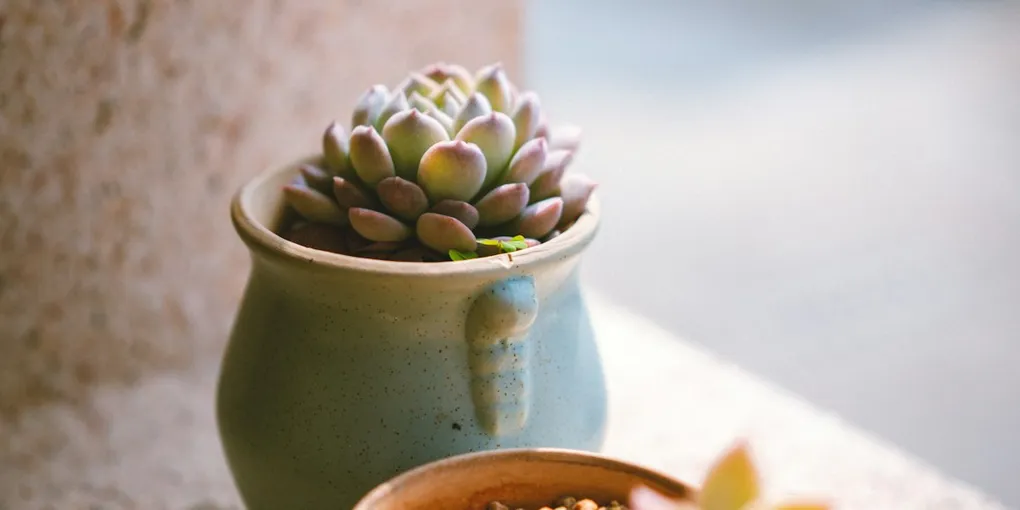
Succulents
Thick, water-storing leaves make most succulents well suited to the heat and intensity of a west-facing window. Many even color up more vividly the more direct afternoon sun they get, and a west sill is one of the few indoor spots that comes close to replicating full outdoor sun.
Cacti
Cacti are built for hot, intense, unfiltered sun, and a west-facing window is one of the better spots indoors to give them that. Just make sure the pot has excellent drainage — strong light doesn’t excuse overwatering, and a cactus in soggy soil will struggle regardless of how much sun it gets.
Croton
Croton’s red, orange, and yellow leaf coloring depends on strong light — in low light it fades toward plain green, while the heat and intensity of a west-facing window keeps the pattern vivid. It’s one of the better colorful foliage plants for a window most other houseplants would struggle in.
Bird of paradise
Bird of paradise is one of the few common houseplants that genuinely wants hours of strong direct sun to put out full-sized leaves and, with time, flower indoors. A hot west-facing window is usually bright enough to support that, especially if it’s the sunniest spot in the house.
Jade plant
Jade plant is a slow-growing, drought-tolerant succulent that holds up well to hours of strong afternoon sun, often developing a reddish tinge along the leaf edges when it gets enough of it. It’s a sturdy option if the spot also gets neglected on watering from time to time.
Aloe vera
Aloe vera wants as much direct sun as it can get, particularly outside of the hottest summer months. If it’s been growing somewhere dimmer, move it into a west-facing window gradually rather than all at once — even sun-loving succulents can get a sunburned patch when shifted abruptly from shade into hours of intense afternoon light.
Ponytail palm
Ponytail palm stores water in its swollen base and tolerates strong, direct light without complaint, making it a good structural option for a hot, sunny sill that a lot of thinner-leaved plants can’t handle.
Watch for summer afternoon heat buildup
The main risk with a west-facing window isn’t just light intensity — it’s heat. Afternoon sun raises the temperature right at the glass, sometimes considerably above room temperature, and in summer that combination of peak heat and peak sun can stress even sun-loving plants, causing bleached or scorched patches on leaves facing the window. A sheer curtain during the hottest weeks, or pulling pots back a foot or two from the glass in summer, protects against this without meaningfully cutting the light the plant gets the rest of the year. If you see crispy, bleached patches on the sun-facing side of leaves, that’s the heat and light combination to blame — pull the plant back before assuming it needs a different spot entirely.