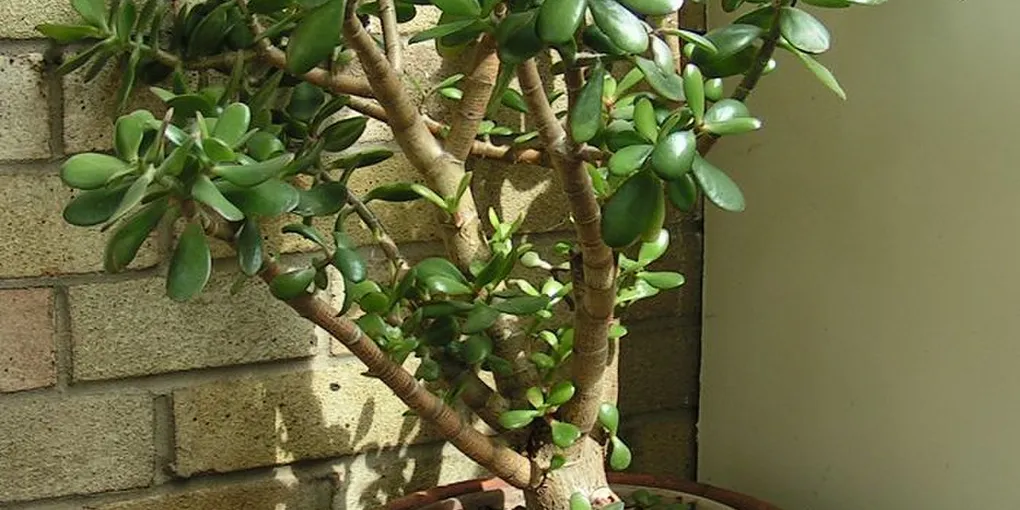
How to Care for Succulents
Echeveria, jade, haworthia, and most other succulents fail for the same two reasons: not enough light and too much water. Both mistakes come from treating a succulent like a typical houseplant, which it isn’t.
Light: succulents need a lot more than you think
Most tropical houseplants tolerate indirect light just fine. Succulents don’t — they need several hours of bright, direct or near-direct sun a day to grow compact and hold their color. A spot that’s fine for a pothos is usually too dim for a succulent.
This is why so many indoor succulents end up tall, pale, and gap-stemmed instead of the tight rosette shape they’re supposed to have. That’s etiolation, and succulents are one of the most common plants it happens to. If yours is stretching toward the window instead of growing dense and low, the fix is more light, not more water or fertilizer. A south- or west-facing windowsill is usually the best spot in the house. If you don’t have one, see whether a grow light is worth it before assuming the plant is just doing poorly on its own.
Watering: soak and dry, not a schedule
Forget a weekly watering routine. Succulents store water in their leaves and stems, so they need long dry stretches between waterings:
- Water thoroughly. Pour water until it runs freely out the drainage hole, soaking the entire root ball.
- Let it dry out completely. Don’t water again until the soil is fully dry, not just the top inch — stick a finger in a couple inches deep to check.
- Water again, then repeat. In a bright spot during the growing season, that’s often every 1-2 weeks. In winter, stretch it out much further — succulents grow very little in low light and cold, and a plant that isn’t growing doesn’t need much water.
This is the opposite of how you’d treat a pothos or peace lily, which generally want to stay lightly, evenly moist. If you’re watering houseplants on the same schedule across your whole collection, your succulents are almost certainly getting too much.
Soil and pot matter as much as watering
A fast-draining cactus/succulent mix is not optional. Regular potting soil holds far too much moisture around succulent roots, and even careful watering can’t compensate for soil that stays wet for days. If you don’t already have a bag of succulent-specific mix, see the right soil mix for houseplants for what to look for and how to build your own blend.
A terracotta pot helps too. Unlike plastic or glazed ceramic, terracotta is porous and lets excess moisture evaporate through the sides, which is exactly what a plant built for dry conditions wants. Whatever pot you choose, it needs a drainage hole — succulents in a sealed container are on a very short timeline.
Reading the signs
Succulent leaves tell you what’s wrong faster than most other houseplants:
- Mushy, translucent, or yellowing leaves that feel soft or squishy: overwatered, likely heading toward root rot. Stop watering, check the roots, and let the soil dry out fully. If it’s gone further, here’s how to fix root rot before it spreads.
- Shriveled, wrinkled, or puckered leaves: underwatered. The plant has used up its stored water reserves. A thorough soak usually plumps leaves back up within a day or two.
- Pale color and long gaps between leaves: not a watering problem at all — it’s legginess from insufficient light.
The core mistake to avoid
Nearly every struggling succulent comes down to one thing: it’s being cared for like a regular houseplant. Regular houseplants generally want consistent moisture and tolerate lower light. Succulents want the reverse — long dry spells and as much direct sun as you can give them. Get those two things right and succulents are genuinely low-maintenance; get them backwards and no amount of fussing over fertilizer or humidity will save the plant.