How to Care for a Peperomia Obtusifolia (Baby Rubber Plant)
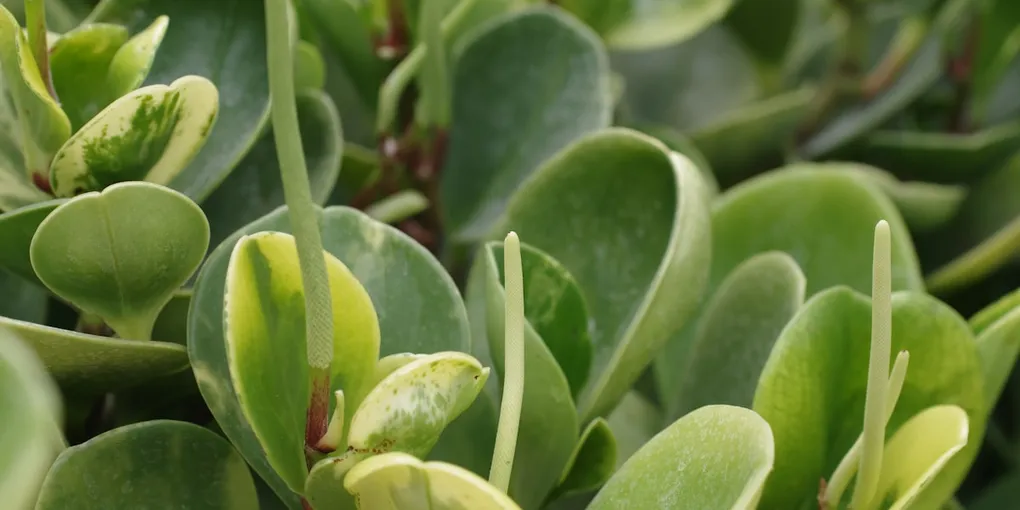
Peperomia obtusifolia, commonly sold as the baby rubber plant, is one of the toughest and most forgiving members of the peperomia genus. Its thick, glossy, spoon-shaped leaves grow densely on an upright, compact plant that rarely gets much taller than a foot or two, making it a solid choice for a desk, shelf, or windowsill where a bigger plant wouldn’t fit. Despite the name and its rubbery-looking leaves, it isn’t related to the rubber plant (Ficus elastica) — the resemblance is only in the leaf texture.
Light
Bright, indirect light keeps this plant compact and its leaves a rich, deep green. It also tolerates medium light reasonably well, which is part of why it’s such a popular low-maintenance option — growth just slows down and the plant may stretch a little toward the light source. If you have a variegated cultivar like ‘Golden Gate’ or ‘Variegata’, give it a bit more light than you would a solid green one, since the cream and yellow portions of the leaf contribute less photosynthesis and need the green parts to work harder. Avoid intense, direct sun, which can scorch the leaves. See how much light do houseplants need for help judging what a given spot in your home actually provides.
Watering
Let the soil dry out most of the way between waterings. Like other peperomias, this plant is semi-succulent — its thick leaves store water, which makes it far more tolerant of a missed watering than of soil that stays consistently wet. Check the top couple of inches of soil with a finger rather than watering on a fixed schedule, and skip a watering if it’s still damp. If you’re unsure whether a drooping or unhappy-looking plant is thirsty or waterlogged, see overwatering vs. underwatering houseplants for how to tell the difference.
Soil and pot
A well-draining mix is essential, since this plant’s roots are thin and rot quickly if they sit in soggy soil. A standard potting mix cut with extra perlite works well — see best soil mix for houseplants for more on building your own blend. Always use a pot with a drainage hole. Baby rubber plants are slow growers with compact root systems, so they don’t need frequent repotting; a slightly snug pot is fine, and sizing up is only necessary once roots start circling the bottom or growing out of the drainage hole.
Humidity
Average household humidity is enough for this plant to do well — it doesn’t need a humidifier or pebble tray to thrive, which is part of what makes it such an easy houseplant. It handles the dry air of a heated home in winter better than most tropical foliage plants. If you’re already raising humidity for more sensitive plants nearby, this one will happily take the extra moisture too, but it isn’t a requirement.
Propagation
Baby rubber plant propagates easily from stem or leaf cuttings. A stem cutting with at least one node roots readily in water or moist soil, and even a single leaf with a bit of its petiole attached can sometimes root and grow into a new plant, similar to how succulent leaves propagate. For the general stem-cutting method, see how to propagate houseplants from cuttings. This is also a good way to manage a plant that’s gotten leggy — take cuttings from the top and root them for a fuller-looking pot.
Toxicity
Peperomia obtusifolia is non-toxic to cats and dogs, making it a safe pick if you’re building out a plant collection in a home with pets. See pet-safe houseplants for cats and dogs for other options that are safe to grow around animals.
Common problems
Mushy stems or leaves that drop with little pressure point to overwatering, often with root rot setting in. Pull the plant and check the roots — if they’re brown and mushy rather than firm and pale, see how to identify and fix root rot. Cut back on watering and confirm the pot actually drains.
Wrinkled or curling leaves usually mean the plant has gone too long without water. Because the leaves store water, this look is a more reliable underwatering signal on this plant than it would be on a thinner-leaved houseplant. A thorough watering should plump the leaves back up within a day or two.
Leggy growth with leaves spaced far apart is a light issue — the plant is stretching toward a light source instead of growing in its natural compact form. Move it somewhere brighter, and consider taking cuttings from the leggy stems to propagate a fuller replacement.
Green leaves on a variegated cultivar is normal variegation drift rather than a problem to fix — new growth on a variegated peperomia doesn’t always keep the same pattern as older leaves. For a closer look at how this plays out on a different variegated aroid, see how to care for a philodendron birkin.
For the care principles this plant shares with the rest of the genus, including varieties like watermelon peperomia, see how to care for a peperomia and how to care for a watermelon peperomia.