How to Care for a Watermelon Peperomia
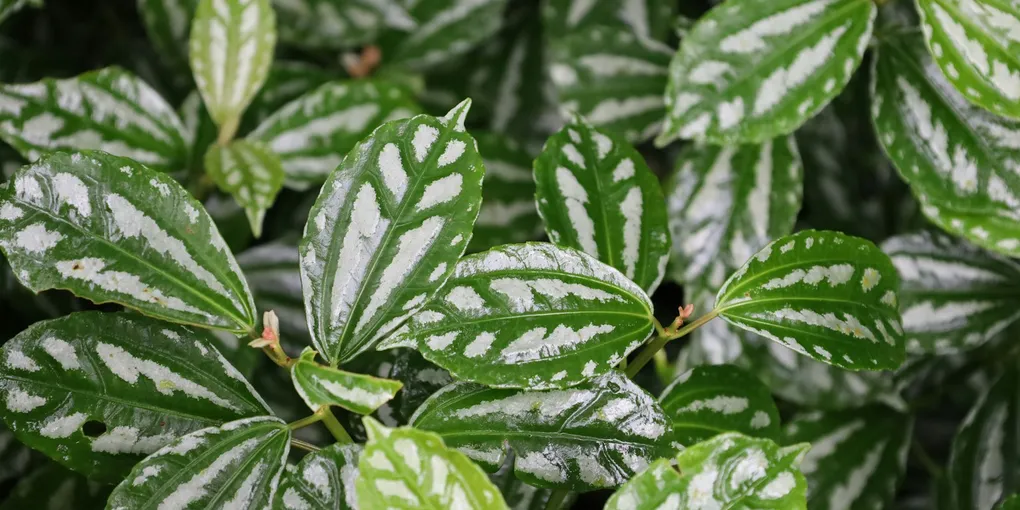
Watermelon peperomia (Peperomia argyreia) gets its name from its round, thick leaves striped in silver and dark green, radiating out on thin reddish stems like little rinds. It’s a compact, semi-succulent plant that stays small enough for a shelf or desk, and its water-storing leaves make it more forgiving of a missed watering than most houseplants — the main way people run into trouble with it is the opposite mistake.
Light
Watermelon peperomia wants bright, indirect light to keep its stripe pattern crisp and well defined. In lower light, the pattern fades and the plant tends to stretch out with leaves spaced farther apart instead of growing in its natural compact rosette shape. Avoid direct sun, though — the leaves are thin enough to scorch if left in harsh, direct rays for long stretches.
Watering
Let the soil dry out significantly between waterings. The thick, fleshy leaves store water similar to a succulent, which means this plant tolerates being forgotten for a while far better than it tolerates soil that stays wet. Overwatering — soil that never gets a real chance to dry out — is the most common way this plant dies, usually showing up as mushy stems or leaves that drop suddenly. A slightly deflated, less plump look to the leaves is a good visual cue that it’s ready for water again.
Soil and pot
Use a fast-draining mix, similar to what you’d use for a succulent — a standard potting mix cut with extra perlite works well. A pot with a drainage hole is essential, and a shallow, wide pot suits this plant’s compact, spreading root system better than a tall, narrow one. See how to care for succulents for the general watering and soil approach this plant follows closely.
Toxicity
Watermelon peperomia is non-toxic to cats and dogs, making it a safe option if you’re building a pet-safe houseplant collection.
Propagation
This plant propagates easily from leaf cuttings rather than the stem cuttings typical of most houseplants — a whole leaf with a bit of its petiole attached can root in soil or water and grow into a new plant, the same way many succulent leaves propagate. See how to propagate houseplants from cuttings for the general technique, and expect this one to follow the leaf-cutting method rather than a node-based stem cutting.
Common problems
Mushy stems and sudden leaf drop point to overwatering — the soil isn’t drying out enough between waterings, and the stems are starting to rot at the base. Cut back on watering immediately and check that the pot is actually draining.
Shriveled, deflated leaves mean the plant is underwatered, though this is far less common than overwatering issues with this plant. A thorough soak should plump the leaves back up within a day or so.
Leggy growth with stripes spaced far apart signals insufficient light. Move the plant somewhere brighter to encourage it back into its natural compact shape.
Leaves splitting or cracking usually follows a big swing between very dry soil and a heavy watering right after — the leaves take on water faster than their tissue can stretch to accommodate it. Watering a little more consistently, rather than letting the plant go bone dry for extended stretches, helps avoid this.
For general peperomia care principles this plant shares with the rest of the genus, see how to care for a peperomia.