Pet-Safe Houseplants for Cats and Dogs
Cats and dogs chew on plants out of curiosity more than hunger, and it only takes one bite to matter. The good news is there’s a long list of houseplants that are genuinely non-toxic if nibbled, so you don’t have to choose between having plants and having pets.
Plants that are safe if chewed
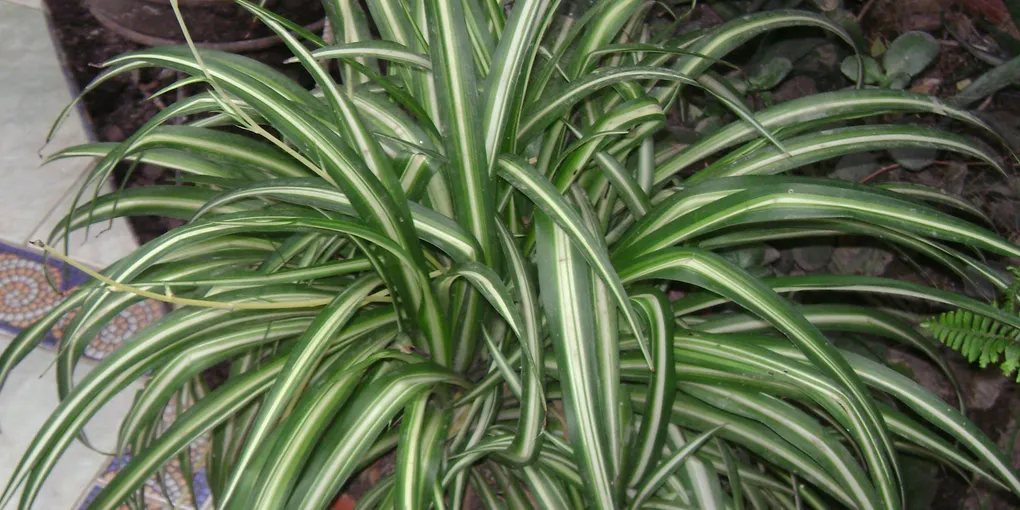
- Spider plant — Mildly stimulating to cats (some get a reaction similar to catnip) but not toxic. It’s also one of the more naturally tolerant, hard-to-kill plants you can grow, which makes it an easy first pick for a pet household.
- Boston fern — Non-toxic to cats and dogs and does well in the kind of low-light spot many homes have, though it wants more humidity than most plants on this list.
- Calathea — Completely non-toxic. Prayer plants and other calathea varieties are a common recommendation specifically because their patterned leaves attract curious pets without any risk.
- Parlor palm — A safe, compact palm that tolerates lower light and is one of the most commonly recommended pet-safe plants by veterinarians.
- Areca palm — Also non-toxic and larger-growing, useful if you want a statement plant without worrying about a dog reaching the lower fronds.
- Ponytail palm — Not a true palm, and not toxic. Its thick water-storing trunk also makes it fairly drought-tolerant.
- Peperomia — A small, non-toxic plant with thick leaves, well suited to shelves or spots out of easy reach where it can still get knocked into by a curious cat without consequence.
- Haworthia — A safe succulent alternative to aloe, which looks similar but is mildly toxic. Haworthia gives you the same low-maintenance, spiky look without the risk.
None of these are risk-free in the sense that a pet could still eat enough to get an upset stomach from the fiber and roughage alone — but they won’t cause poisoning.
Common houseplants that are actually toxic
A few widely sold houseplants are toxic enough to be worth knowing by name, though severity varies a lot.
Lilies are the one to take seriously. True lilies and daylilies (Lilium and Hemerocallis species) are severely toxic to cats specifically — even a small amount of pollen groomed off fur, or a sip of vase water, can cause acute kidney failure. This is a veterinary emergency, not a “watch and see” situation, and it’s the main reason lilies don’t belong in a home with cats at all. Dogs are less severely affected but can still get significant GI upset.
The rest of this list is toxic but rarely life-threatening:
- Pothos, monstera, philodendron, and ZZ plant — All contain calcium oxalate crystals that cause mouth and throat irritation, drooling, and vomiting if chewed. Unpleasant and worth preventing, but these are not typically fatal, and the same crystals that make them mildly toxic also make most pets stop chewing after the first bite because of the immediate irritation.
- Snake plant — Mildly toxic, usually causing drooling, vomiting, or diarrhea rather than anything more serious.
- Sago palm — The exception among common houseplants: every part is toxic, but the seeds are especially dangerous and can cause liver failure in dogs. Sago palm is genuinely one of the more dangerous plants sold as a houseplant and is worth avoiding entirely in pet households, unlike the milder aroids above.
What to do if a pet eats a toxic plant
Don’t wait for symptoms to appear before acting. Call your vet or the ASPCA Animal Poison Control Center (888-426-4435) right away, and have the plant’s name ready if you know it — it changes how urgent the response is. If you can, bring a leaf or photo of the plant with you to the vet. For lily exposure in cats especially, treatment started before kidney damage sets in makes a major difference, so speed matters more than certainty about how much was eaten.
If you’re dealing with a plant that’s already showing damage from chewing, it’s also worth checking that pests haven’t moved in on the exposed tissue — see our guide to common houseplant pests if you notice anything beyond bite marks.