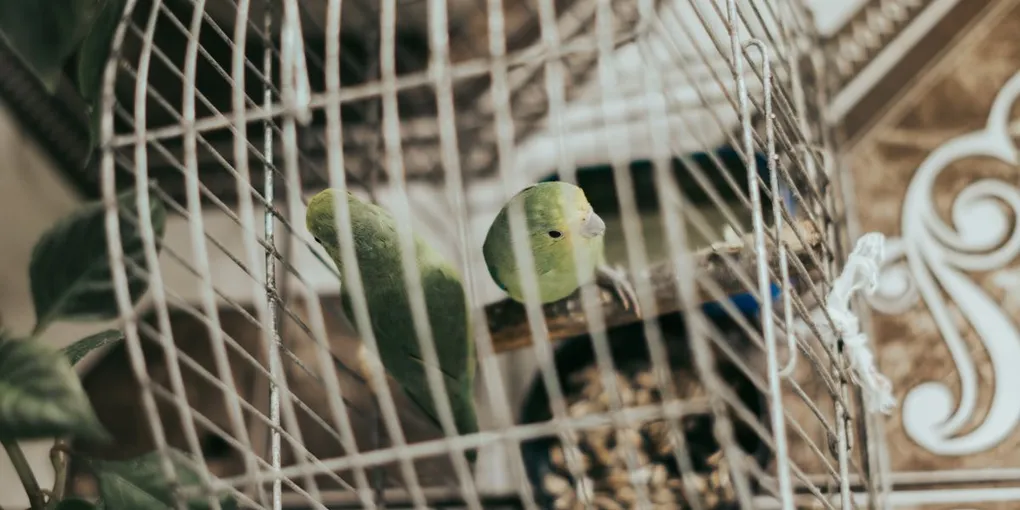
Best Non-Toxic Houseplants for Birds
Birds that get any time out of the cage — flying around a room, perching on furniture, exploring a windowsill — treat houseplants differently than a cat or dog does. A dog might occasionally chew a leaf out of boredom; a bird will land on a plant, test it with its beak, and strip leaves as routine foraging behavior. That habit makes toxicity a bigger day-to-day risk for birds than for most other common household pets, and it’s worth planning around rather than hoping it doesn’t come up.
Why plant choice matters more for birds
Birds are small, so even a modest amount of a mildly toxic plant can affect them more seriously than it would a cat or dog of ordinary size. They also investigate with their beaks constantly, which means a plant sitting anywhere near a bird’s flying or perching space is a plant that’s going to get sampled sooner or later, not just an occasional risk. Because of that, it’s worth being more conservative with birds than you might be with other pets — a plant that’s only “mildly irritating” on a cat-and-dog toxicity list is still worth avoiding around a bird if you have any doubt.
Good plants for a home with a free-flying bird
- Spider plant — Widely considered one of the safest common houseplants for birds, non-toxic and tolerant of a bird landing on or nibbling its long, arching leaves without much consequence to the plant either.
- Parlor palm — One of the most frequently recommended plants specifically for bird owners. It’s non-toxic, has no sharp or fibrous parts that could injure a beak, and its compact size makes it easy to keep out of direct flight paths if you’d rather it not become a perch.
- Areca palm — Another palm considered safe for birds, with soft, non-toxic fronds. Its larger size makes it a good option if you want a substantial plant a bird can actually land on without much worry.
- Boston fern — Non-toxic and a common choice in bird-friendly rooms, though its fine, feathery fronds are delicate and won’t hold up well to repeated landings the way a sturdier palm would.
- Air plants — Generally considered non-toxic. Since they’re usually displayed mounted or in a small dish rather than a full pot, they’re an easy way to add greenery to a shelf or windowsill without introducing soil a bird might dig into.
- Haworthia — A small, spineless succulent that’s non-toxic and low-maintenance, though its stiff, upright leaves make it a better shelf plant than something meant to be perched on.
Plants to avoid
Some plants that are only mildly toxic to cats and dogs are considered more seriously harmful to birds, so don’t assume a plant is fine for your bird just because it’s fine for other pets in the house. Avocado in particular is well known to be dangerous to birds specifically, even though it’s a food many other pets tolerate. Philodendron, pothos, and other aroids that contain calcium oxalate crystals are generally considered unsafe for birds as well — the same irritation that’s a minor nuisance for a cat or dog can be more serious for a small bird. See pet-safe houseplants for cats and dogs and what plants are safe for leopard geckos for how the same plants are evaluated for other pets, but treat those lists as a starting point rather than a guarantee when a bird is the one with access — when in doubt with birds, leave a plant out of their space entirely rather than assuming it’s fine.
A few practical habits
Keep any plant a bird has access to free of pesticides, fertilizer spikes, and leaf-shine products — residue from any of these can be a real problem for a bird preening or chewing on leaves, even on a plant that’s otherwise safe. It also helps to keep soil covered with decorative rock or moss if a bird spends time on the floor nearby, since some birds will dig at exposed soil out of curiosity. None of this requires giving up houseplants in a home with a bird — it just means choosing species deliberately and keeping a slightly closer eye on anything within reach of where the bird actually spends its time.