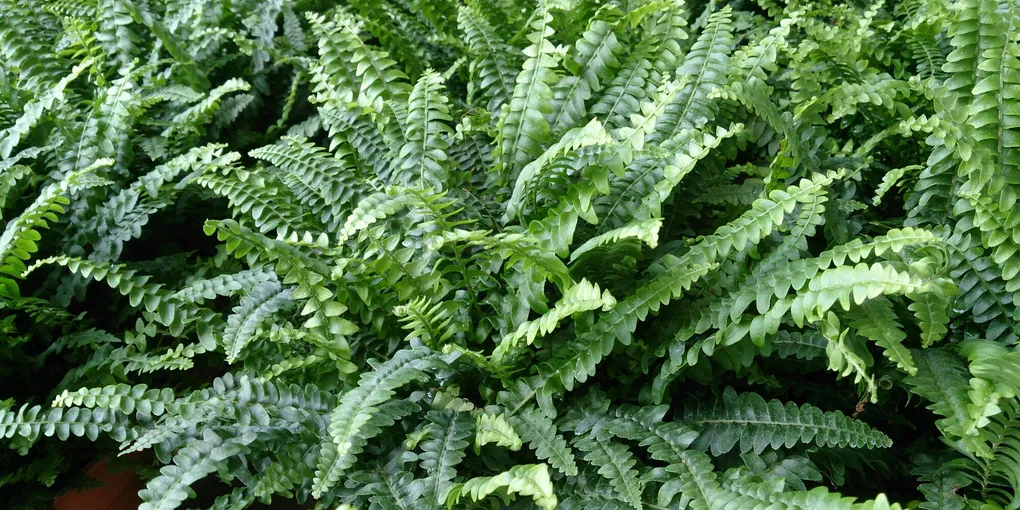
How to Care for a Boston Fern
Boston ferns (Nephrolepis exaltata) have a reputation for being fussy, but it really comes down to one thing most other houseplants don’t ask for: consistently high humidity. Get that right and the rest of the care is straightforward.
Humidity
This is the defining requirement. Boston ferns evolved in humid, subtropical environments, and average home air — especially with heating or AC running — is usually too dry for them. Low humidity is the single most common reason a Boston fern looks unhappy, which is why it’s a classic pick for bathrooms, where showers keep the air consistently damp.
If your bathroom doesn’t get enough light, or you want to keep the fern elsewhere, you’ll need to raise the humidity around it artificially. A guide to increasing humidity covers the options — pebble trays, grouping plants together, and humidifiers all work; misting alone generally doesn’t hold humidity long enough to matter.
Watering
Here’s where people go wrong if they’re used to caring for succulents or snake plants: a Boston fern is not a plant you let dry out between waterings. Keep the soil evenly moist at all times — not soggy, but never fully dry either. Letting the pot dry out completely, even once, is enough to cause noticeable frond damage.
Check the soil every few days and water as soon as the top layer starts to feel dry. This is the opposite instinct from watering drought-tolerant plants like succulents, so if you’re used to that approach, don’t apply it here.
Light
Bright, indirect light is ideal. Boston ferns will tolerate somewhat lower light than that, but growth slows and fronds thin out. What they won’t tolerate is direct sun, which scorches the delicate fronds and leaves them with dry, bleached patches that don’t recover. An east-facing window or a spot a few feet back from a bright south or west window works well.
Soil and pot
Use a loose, moisture-retentive potting mix that still drains — a general houseplant soil mix with a bit of added peat or coco coir suits a Boston fern’s need to stay damp without sitting in standing water. A pot with drainage holes is still essential, since “evenly moist” is not the same as “waterlogged.”
Common problems
- Crispy, browning fronds: almost always low humidity or dry air, not underwatering. Heating and AC both strip moisture from the air fast, and this is the most common complaint with this plant. Raise the humidity before you assume you need to water more.
- Yellowing fronds: usually overwatering, but can also be a reaction to hard or chlorinated tap water. If your fronds are yellowing despite reasonable watering habits, let tap water sit out overnight before using it — this lets some of the chlorine dissipate.
- Normal leaflet shedding: Boston ferns naturally drop a fair number of small leaflets on their own, especially after being moved or repotted. A few scattered leaflets on the soil or floor isn’t a sign of a problem by itself — only worry if entire fronds are browning or the shedding is heavy and ongoing.
A note on pets
Boston ferns are non-toxic to cats and dogs, which makes them one of the safer choices if you have curious pets around your plants. For more options along the same lines, see this list of pet-safe houseplants.
Get the humidity and watering right and a Boston fern rewards you with dense, arching fronds that fill out a hanging basket or plant stand better than almost anything else you can grow indoors.