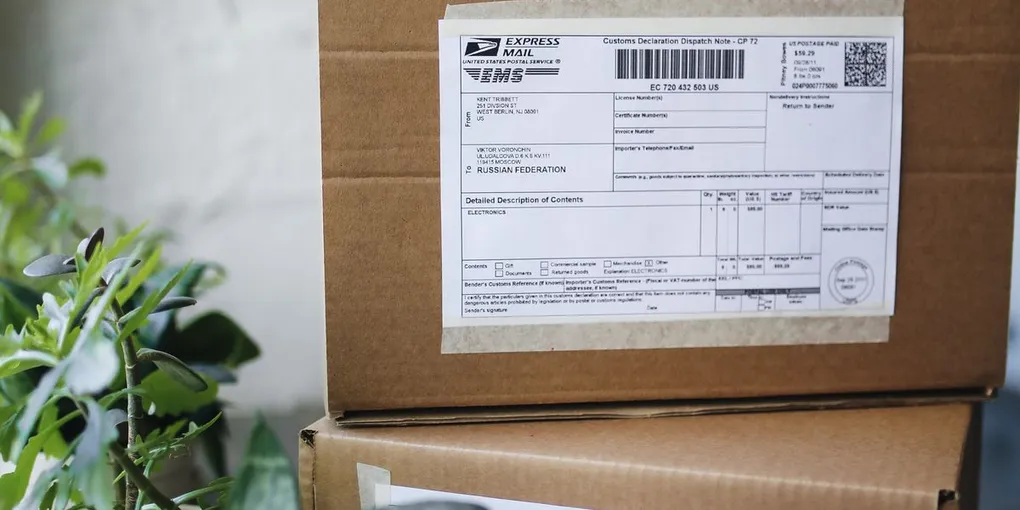
How to Care for a Plant You Just Received in the Mail
A plant that just arrived by mail has been through a lot more than one that came home from a garden center. On top of the ordinary adjustment covered in how to acclimate a new houseplant, it’s spent anywhere from a day to a week sealed in total darkness, riding through whatever temperatures the truck or your mailbox happened to hit, jostled and sometimes bent inside a box, often without a drop of water the entire time. Some rough-looking leaves when you open the box isn’t a sign the plant is dying — it’s a sign it just went through exactly what you’d expect.
Unboxing
Open the box as soon as you can rather than letting it sit sealed for another day. Check for obvious shipping damage: broken or crushed stems, mold on the soil or packing material, and any pest hitchhikers that may have come along for the ride. Drooping, yellowed, or even a few dropped leaves at this stage are common and not a reason to panic — that’s transit stress, not necessarily a sign of a bigger problem.
Immediate first steps
Check the soil before doing anything else. If it’s bone dry — common after days in transit with no watering — give the plant a thorough drink. If it’s still damp, leave it alone; a plant that’s been sitting in wet, unmoving soil for days is at more risk from added water than from a short wait. Resist the urge to repot right away even if the nursery pot looks flimsy or too small. Repotting is one more disruption on top of shipping stress, and roots that were just jostled around in a box need a few weeks to settle before they’re asked to handle new soil too. See how to repot a houseplant for when it actually makes sense to size up, once the plant has had time to recover first.
Light
Don’t move a mail-order plant straight into bright direct sun, even if that’s its ideal long-term spot. It’s spent days in complete darkness, and leaves that adjusted to that need a few days in gentler, indirect light before they can handle full brightness again — much like eyes adjusting to sudden light. Give it a soft, bright-but-indirect spot for the first several days, then move it to its permanent location gradually. Skipping this step is a common reason otherwise healthy mail-order plants get scorched or shocked leaves right after arrival.
What’s normal vs. what’s a real problem
Expect some yellowing or a handful of dropped leaves in the first couple of weeks, especially from naturally dramatic droppers like a fiddle leaf fig — this is usually just stress working itself out, not a sign of decline. What’s not normal: mushy, blackened stems, a foul smell coming from the soil, or the plant collapsing wholesale rather than shedding a few leaves. Those point to something more serious, most often root rot that may have started before the plant even shipped. If a plant looks far worse than ordinary shipping stress would explain, see how to revive a dying houseplant for how to assess and respond, and if a hard freeze or extreme heat hit the package in transit, the guidance in how to protect houseplants during a cold snap or power outage applies to recovering from that kind of temperature shock too.
Quarantine
Keep a new mail-order plant away from your other houseplants for a couple of weeks before introducing it to the rest of your collection. Pests or their eggs picked up at the nursery or during packing aren’t always obvious right away, and a short quarantine period gives any hidden hitchhikers time to show themselves before they can spread. See common houseplant pests and how to get rid of them for what to watch for during that window.
Patience
Full recovery from shipping stress can take a few weeks, and the biggest mistake at this stage is trying to help too aggressively. Hold off on fertilizing, repotting, or any other well-intentioned intervention until the plant shows clear signs of settling in — new growth, leaves holding their color, no further dropping. A stressed plant with roots that took a beating in transit can’t take up nutrients well anyway, so fertilizer added too soon just sits unused in the soil, or worse, adds another stressor on top of one it’s still recovering from.