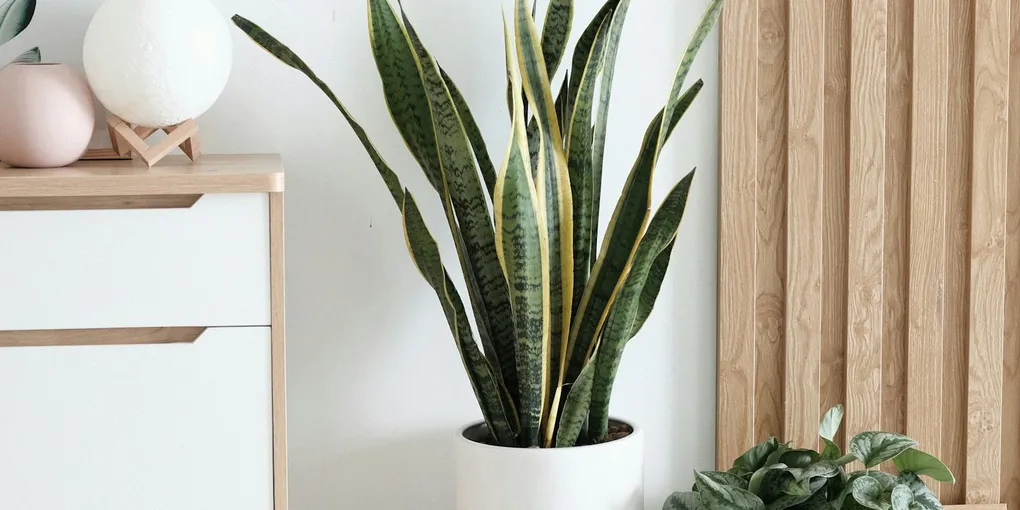
Best Houseplants That Release Oxygen at Night
Most plants take in carbon dioxide and release oxygen during the day, then reverse that in the dark, taking in a small amount of oxygen overnight. A specific group of plants does the opposite: they release oxygen at night. That’s not marketing, it’s a real, well-documented metabolic pathway. What it does for your sleep is a separate question, and the honest answer is: not much.
What CAM photosynthesis actually is
The plants on this list use Crassulacean Acid Metabolism, or CAM photosynthesis, named after the succulent family Crassulaceae where it was first studied. Typical plants open the pores on their leaves (stomata) during the day to take in CO2, which means they also lose water through those same open pores in the heat of the day. CAM plants evolved somewhere drier or more exposed — arid desert scrub, rocky cliffs, the tops of tropical trees where orchids and bromeliads grow as epiphytes with no soil to hold moisture. Opening their stomata during the day would cost them too much water, so they open them at night instead, take in CO2 in the cool, humid nighttime air, and store it as an acid until sunlight arrives to run the rest of photosynthesis internally. One side effect of that schedule is that these plants release oxygen overnight rather than shutting it off like most other plants do.
Why this doesn’t translate into better sleep
This is the part most “plants that improve your sleep” articles skip. The amount of oxygen a houseplant releases overnight is tiny — we’re talking about a process operating at the scale of a single plant’s leaf surface, in a room that’s already over 20% oxygen by volume and gets constant air exchange through doors, gaps, and HVAC systems. No study shows a houseplant, or even several, measurably raising the oxygen level of a bedroom, and even if one did, human sleep isn’t oxygen-limited in a normal room to begin with. If you sleep better with a plant nearby, it’s far more likely to be about the calming visual effect of greenery than any actual change in the air you’re breathing. That’s the same honest conclusion our air-purifying houseplants guide reaches about daytime plants: real biology, wildly overstated practical effect.
None of that means these are bad bedroom plants — quite the opposite. They just earn their spot for being easy, attractive, and low-maintenance, not for doing anything measurable to the air while you sleep.
Plants that use CAM photosynthesis
- Snake plant — The most commonly cited CAM houseplant, and for good reason: it tolerates low light, irregular watering, and general neglect better than almost anything else you can buy.
- Aloe vera — A succulent that wants bright light and infrequent, thorough watering. Its gel is also genuinely useful for minor burns, which is a more concrete benefit than any overnight oxygen boost.
- Phalaenopsis orchids — Epiphytic in the wild, growing on tree bark with no soil, which is exactly the water-scarce lifestyle CAM photosynthesis evolved for. They need bright, indirect light and a chunky bark-based mix, not regular potting soil.
- ZZ plant — Stores water in thick rhizomes underground and tolerates low light better than almost any other common houseplant, making it one of the most forgiving options on this list.
- Succulents generally — Echeveria and Haworthia are both CAM plants and both need bright light and soil that dries out completely between waterings. Haworthia tolerates lower light than most succulents, which makes it a better fit for a bedroom that doesn’t get direct sun.
How this is different from our bedroom plants guide
If you’re trying to decide what to actually put in your bedroom, our best houseplants for bedrooms guide is the one to read — it covers general bedroom suitability: which plants tolerate the lower light and inconsistent temperature many bedrooms have, and which ones have a calming, uncluttered look. This post exists for a narrower reason: to explain the CAM/nighttime-oxygen science specifically, and to be upfront that it’s a neat biological fact rather than a sleep hack. Read both — one tells you what to buy, this one tells you not to expect too much from the “releases oxygen at night” claim you’ll see on every plant tag.
The honest bottom line
Get a snake plant or a ZZ plant for your bedroom because they’re nearly impossible to kill and look good doing it — not because you expect to notice a difference in your breathing. If you want better sleep, a dark room, consistent temperature, and turning off screens will do far more than any number of CAM plants on your nightstand.