The Best Air-Purifying Houseplants (and What the Science Actually Says)
Almost every “air-purifying plant” list traces back to one 1989 NASA study, and that study gets misquoted more than almost any other piece of plant science. It’s worth knowing what it actually found before you buy plants expecting them to work like an air filter.
What the NASA study actually tested
Researchers sealed individual houseplants inside small, airtight chambers — nothing bigger than a closet — and pumped in specific chemicals like benzene and formaldehyde, then measured how much the plant and its soil microbes removed over 24 hours. Under those conditions, several common houseplants did measurably reduce certain pollutants. That part is real.
The problem is what happened to that finding afterward: it got extrapolated to “put a few plants in your living room and breathe cleaner air,” which the study never claimed and the setup couldn’t support.
Why it doesn’t translate to your living room
A sealed chamber has no air exchange. Your home does — through HVAC systems, doors, windows, and just general leakiness in the building envelope. A widely cited 2019 review of the air- purifying-plant literature ran the numbers and found you’d need somewhere between dozens and several hundred plants per room to match the air-cleaning effect of normal home ventilation, or even just cracking a window for a few minutes. Realistically, nobody is fitting that many plants into a bedroom, and even if you did, your HVAC system or an open window would still be doing most of the actual work.
None of this means the original research was bad science. It means the gap between “removes pollutants in a sealed box” and “cleans the air in your apartment” is enormous, and most of the marketing built on top of the study skipped over it entirely.
So should you get these plants anyway?
Yes — just for more honest reasons. The plants most associated with the NASA study are also some of the easiest, most reliable houseplants you can own, and there’s real (if modest) research behind other benefits: lower reported stress, a bit of added humidity, and the general psychological lift of having greenery around. None of that is about filtering your air, but it’s not nothing either.
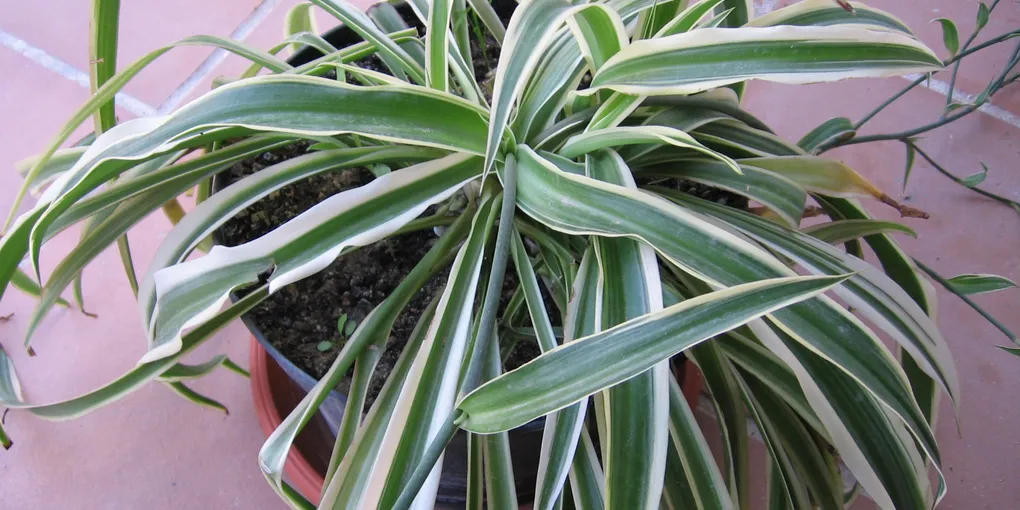
- Spider plant — Nearly impossible to kill, tolerates a wide range of light, and produces plantlets you can propagate for free. One of the most forgiving beginner plants around.
- Pothos — Tolerates low light, irregular watering, and general neglect better than almost anything else sold as a houseplant.
- Peace lily — Wilts dramatically when it needs water, which makes it one of the more forgiving plants to learn on since it tells you what it wants.
- Snake plant — Tolerates low light and irregular watering better than nearly any other common houseplant; overwatering is the real risk, not underwatering.
- Boston fern — Less forgiving of dry air than the others on this list, but a good option if you can give it the humidity it wants.
The honest bottom line
Get these plants because they’re easy to keep alive, they look good, and having them around is genuinely pleasant — not because you’re expecting a measurable drop in indoor pollutants. If you’re worried about actual air quality (dust, VOCs, allergens), an air purifier or just running your HVAC system will outperform any realistic number of houseplants by a wide margin. If you want the plants too, start with something that tolerates your space — see our guide to low-light houseplants if your rooms don’t get much sun — and treat the air-purifying claim as a nice historical footnote rather than a reason to buy.