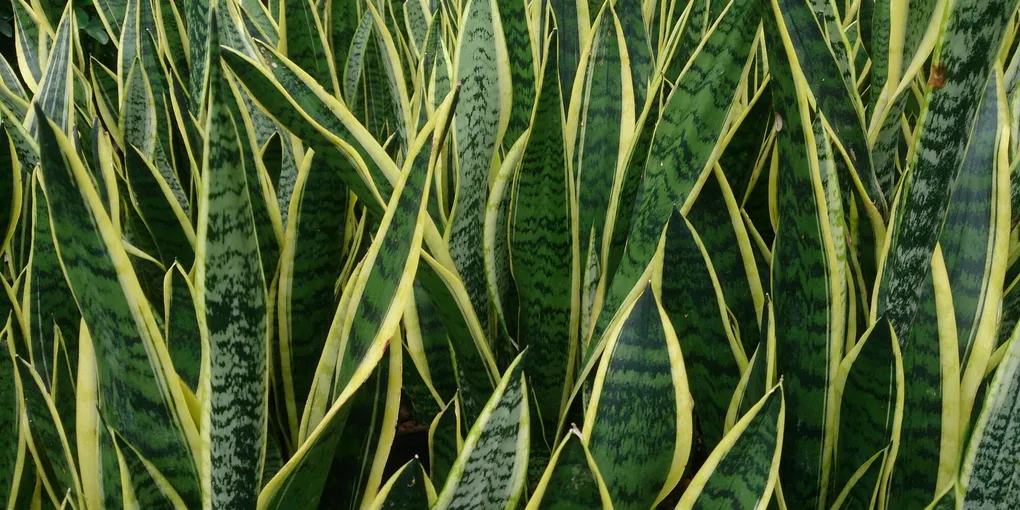
How to Care for a Snake Plant
Snake plants (Sansevieria, now officially Dracaena trifasciata) are one of the hardest houseplants to kill — and the one way people do kill them is almost always the same mistake: watering too often.
Light
Snake plants tolerate low light better than nearly any other common houseplant, which is why they show up in offices and hallways with no natural light source at all. They’ll also do fine in bright indirect light, and can handle a few hours of direct sun without much complaint. The one thing they won’t do is thrive in total darkness — “tolerates low light” doesn’t mean “needs no light.” If you’re working with a genuinely dim room, a low-light houseplant list will tell you what else pairs well with the same conditions.
Watering
This is the part that matters most. Let the soil dry out completely before watering again — not just the top inch, the whole pot. Snake plant leaves are thick and store water, which means the plant can go a long stretch between waterings without any stress. Watering on a fixed schedule instead of checking the soil is the single most common way people end up with root rot.
In winter, when growth slows and the plant is using less water anyway, cut back even further. Underwatering a snake plant is rarely fatal. Overwatering it very often is — if you want to recognize the signs early, root rot is worth reading up on before it happens, not after.
Soil and pot
Use a fast-draining, succulent-style mix rather than standard potting soil — regular potting mix holds too much water around the roots for a plant this sensitive to overwatering. The pot needs a drainage hole; without one, excess water has nowhere to go and just sits against the roots. If you’re mixing your own, a soil mix built for houseplants generally covers what a snake plant needs.
Snake plants also rarely need repotting. They actually do fine slightly root-bound, and forcing a plant into a much bigger pot “to give it room” mostly just gives excess soil more space to stay wet — which works against you here.
A note on pets
Snake plants are mildly toxic to cats and dogs if chewed on, typically causing stomach upset rather than anything severe. If pets nose around your plants, it’s still worth keeping this one out of easy reach.
Propagation
Snake plants propagate well from leaf cuttings or by division of the rhizome when you repot. Division is the more reliable route if you want an exact copy of a variegated variety, since leaf cuttings of some cultivars revert to plain green. Either way, it’s a straightforward way to turn one plant into several.
Common problems
- Mushy, yellowing leaves: overwatering. This is root rot until proven otherwise — pull the plant and check the roots.
- Wrinkled or curling leaves: underwatering, though this is far less common and far less urgent. Water and the leaves should plump back up within a few days.
- Plant toppling over: the rhizome has outgrown the pot, or the pot is too light for how top- heavy the plant has gotten. Move it into a heavier pot or divide the clump — both fix the balance problem.
Snake plants are forgiving of almost everything except constantly wet soil. Get the watering right and the rest of the care is close to hands-off.