How to Care for a Monstera Standleyana
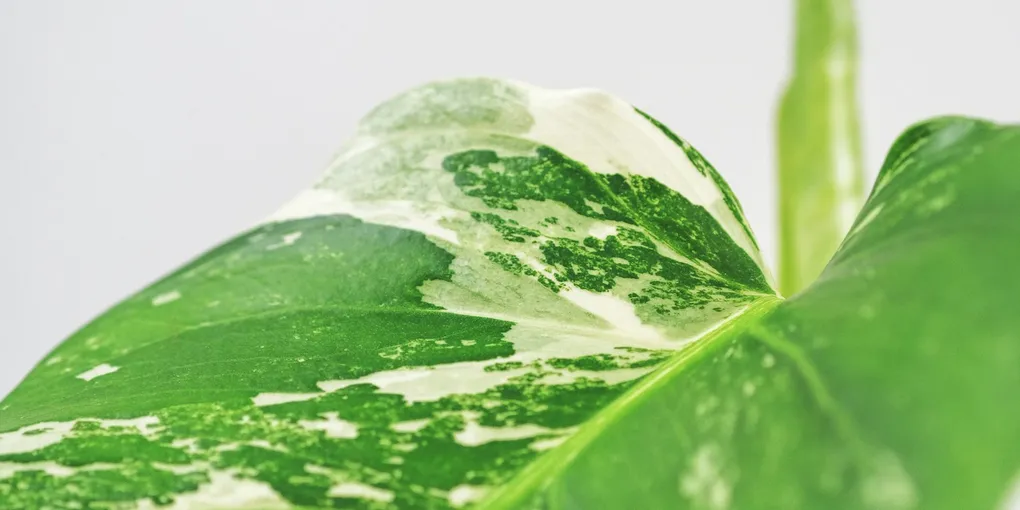
Monstera standleyana is a vining, climbing member of the Monstera genus, sometimes sold under the names “Philodendron Cobra” or “Five Holes Plant” even though it isn’t a philodendron at all. It’s a very different plant from Monstera deliciosa in almost every way that matters day to day. Where deliciosa grows huge, deeply split leaves that develop the characteristic holes and fenestrations as it matures, standleyana stays small-leaved throughout its life — glossy, oval leaves a few inches long, often marbled or splashed with cream variegation, that never split or fenestrate the way deliciosa’s do. If you’re picturing a scaled-up Swiss cheese plant, recalibrate: standleyana is closer in size and habit to a vining pothos than to its famous, room-filling relative.
Light
Bright, indirect light keeps the cream variegation strong and the leaves glossy. A spot a few feet back from an east- or south-facing window, or filtered light through a sheer curtain, works well. Direct sun can scorch or bleach the variegated sections, while too little light causes new leaves to come in more solidly green and the vine to stretch out with sparse, small foliage.
Give it something to climb
Standleyana is a true climber and, like other vining aroids, produces larger leaves and fuller growth when trained onto a moss pole rather than left to trail unsupported. It also does perfectly well in a hanging basket if a trailing look is what you’re after — unlike some climbers, it doesn’t sulk dramatically without a pole, it just stays a bit smaller-leaved.
Watering
Let the top inch or two of soil dry out before watering thoroughly. Standleyana is fairly forgiving and tolerates a missed watering better than more sensitive aroids, but it doesn’t like sitting in soggy soil for long stretches either. See watering houseplants the right way for a feel-based approach rather than a fixed schedule.
Soil and pot
A chunky, well-draining aroid mix — standard potting soil cut with perlite and orchid bark — works well. See how to make a chunky aroid potting mix for ratios. A pot with a drainage hole is important, since this plant’s fine root system doesn’t tolerate standing water for long.
Humidity
This plant tolerates average household humidity better than many aroids, but it still does best in the 50-60% range or higher, with larger, glossier leaves and less risk of crispy edges. See how to increase humidity for houseplants for practical ways to raise it, especially in a dry climate or during winter heating season.
Toxicity
Monstera standleyana is toxic to cats and dogs. It contains calcium oxalate crystals that cause oral irritation, drooling, and swelling if chewed, so keep it out of reach of curious pets, or see pet-safe houseplants for cats and dogs for alternatives.
Common problems
Leaves coming in solid green with little to no cream variegation usually means the plant needs more light. Move it closer to a bright window; new leaves should show more contrast once conditions improve.
Small, sparse leaves with long gaps between them typically points to insufficient light or a lack of climbing support. Add a moss pole and brighten the spot if both are missing.
Yellowing leaves in small numbers as older growth is shed is normal; widespread yellowing usually points to overwatering — let the soil dry out further and confirm the pot drains freely.
Crispy or curling leaf edges usually signal low humidity, sometimes combined with inconsistent watering. Raise humidity and aim for a steadier watering rhythm rather than assuming the plant simply needs more water.
No fenestrations or splits ever appearing on the leaves isn’t a care problem at all — it’s normal for this species. Unlike Monstera deliciosa, standleyana’s leaves stay solid and unsplit throughout the plant’s life, no matter how mature or well cared for it is.