How to Make a Chunky Aroid Potting Mix
Monstera, philodendron, pothos, and anthurium all belong to the aroid family, and in the wild most of them aren’t growing in soil the way a garden plant does. They’re epiphytes or hemiepiphytes, climbing trees with roots that cling to bark and reach through leaf litter and pockets of debris — loose, chunky material with huge amounts of air in it, nothing like the compacted dirt in a garden bed. A standard bagged potting mix, built mostly from fine peat or compost, packs down far denser than what these roots actually evolved to grow through.
Why a dense mix causes problems
Aroid roots want oxygen at the root zone as much as they want moisture. In a dense, fine-textured mix, water fills the small gaps between particles and pushes air out, and a mix that stays saturated and airless for long stretches is one of the most common paths to root rot. A chunky mix solves this structurally: large particles like bark create big air pockets that don’t fully collapse even when wet, so water drains through instead of pooling, and the roots always have some access to air even right after watering.
This is a variation on the general principles in the best soil mix for houseplants — that post covers a solid all-purpose recipe for foliage houseplants broadly. This one is a chunkier, more aroid-specific version of the same idea, leaning harder into structure and drainage than a general-purpose mix needs to.
A chunky aroid mix recipe
A reliable starting ratio, measured by volume:
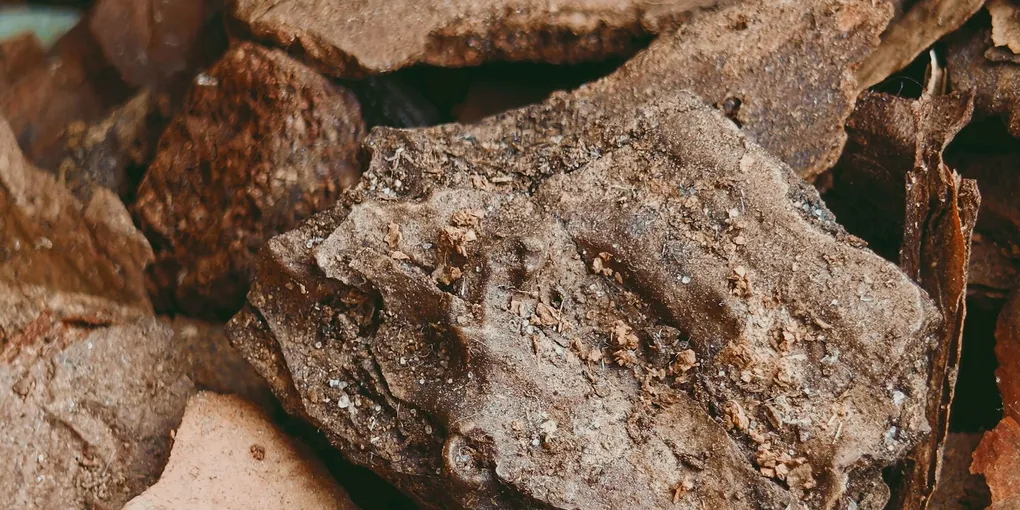
- 3 parts orchid bark (or pine bark fines) — the chunky backbone of the mix. This is what creates the large air pockets aroid roots want, and it decomposes slowly enough to hold its structure for a couple of years before breaking down.
- 2 parts perlite — adds extra drainage and aeration between the bark chunks without adding much bulk. See perlite vs. vermiculite if you’re deciding between the two — perlite is the right pick here since this mix wants fast drainage, not extra water retention.
- 2 parts coco coir or peat moss — the moisture-holding base that keeps the mix from drying out too fast between waterings. Coco coir is generally the better default; see coco coir vs. peat moss for the tradeoffs if you’re choosing.
- 1 part horticultural charcoal — helps keep the mix smelling fresh and absorbs some excess salts and impurities, which matters more in a mix that gets watered frequently.
- A handful of worm castings — optional, but adds a mild, slow-release source of nutrients and beneficial microbes without making the mix any denser.
Combine everything in a bucket or tub and mix thoroughly by hand before potting. The exact ratio can flex depending on the plant and your watering habits — lean toward more bark and perlite for even faster drainage, or a bit more coir if you tend to underwater and want the mix to hold moisture longer between waterings.
Why each ingredient earns its place
The bark is doing the structural work — without it, the mix behaves like any other dense potting soil no matter what else is in it. Perlite fills in smaller gaps for extra aeration and keeps the mix from settling into a denser mass over time. The coir or peat is there purely for water retention, since bark and perlite alone would dry out almost immediately. Charcoal is a smaller-impact addition, but it’s cheap and genuinely helps with a mix that stays consistently moist and gets watered often. Worm castings are the only non-structural ingredient in the list — skip them if you’d rather fertilize separately, since they’re a nice-to-have, not load-bearing.
Watering changes with a chunkier mix
A chunky mix holds noticeably less water per volume than a dense one, since so much of its volume is air rather than moisture-retentive material. That means more frequent watering — a monstera in this mix will likely need water sooner than the same plant in a dense, peat-heavy mix, even though the pot and plant size haven’t changed. Check moisture by feel or with a moisture meter rather than assuming a fixed schedule, since the faster drainage also means the mix dries unevenly if watering is inconsistent.
When to use it
This mix is worth the extra effort for any true aroid — monstera deliciosa, philodendron, pothos, anthurium, and syngonium all do well in it, especially plants that have shown signs of slow root growth or mild root rot in a denser mix previously. It’s less necessary for houseplants that aren’t epiphytic by nature — a fern or a calathea won’t benefit from this much drainage and will likely dry out faster than you’d like in it, so save the chunky recipe for the aroids it’s actually built for.