How to Care for a String of Nickels
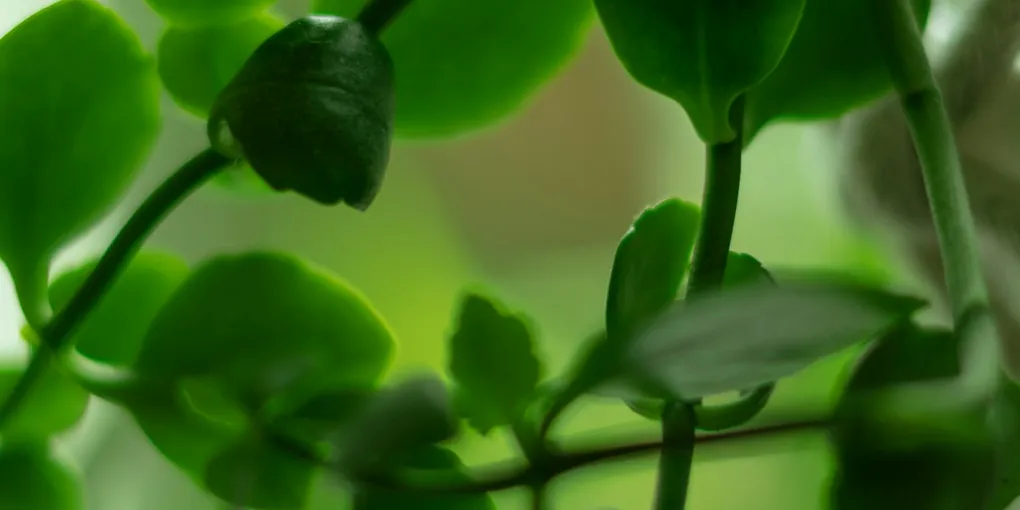
String of nickels (Dischidia nummularia) is a trailing epiphyte named for its small, round, coin-shaped leaves that grow densely along thin, wiry stems. It’s a close relative of hoya, and like hoya it stores water in its thick, fleshy leaves — which makes it far more likely to suffer from overwatering than from missing a week or two. Understanding that it grows naturally on tree bark, not buried in soil, explains almost everything about how to keep it happy.
Light
String of nickels needs bright, indirect light to stay full and compact. Near an east- or west-facing window, or a few feet back from a south-facing one, is ideal. In lower light the plant doesn’t die outright, but it thins out — leaves grow smaller and more widely spaced along the stem, and the whole plant looks sparse and leggy instead of densely packed with coins. If your plant already looks stretched, more light is the fix, not fertilizer.
Watering
Let the soil dry out fully between waterings. The leaves act as water reservoirs the same way a succulent’s do, so this plant is built to tolerate dry stretches far better than wet ones. Check that the mix is dry a couple of inches down, water thoroughly, and let it drain completely — never let the pot sit in standing water. This same soak-and-dry rhythm is the right approach for hoya and other semi-succulent trailers; if you’re coming from watering leafy tropicals on a fixed schedule, see watering houseplants the right way for how to judge by feel instead.
Soil and pot
Because it’s epiphytic in the wild — growing on bark rather than in soil — string of nickels wants a loose, chunky, fast-draining mix, not standard potting soil. A blend built for succulents with extra orchid bark or perlite mixed in works well, since it drains quickly but still holds enough moisture around the roots. A pot with a drainage hole is essential. Many growers skip the pot altogether and mount the plant on a piece of bark or driftwood with sphagnum moss around the roots, which mimics how it grows naturally and tends to produce denser, more compact growth than a pot does.
Humidity
Average household humidity is fine — the water-storing leaves make this plant more tolerant of dry indoor air than most other epiphytes. Extra humidity isn’t required, but it won’t hurt if you’re already running a humidifier for other plants.
Growth habit
Left in a hanging pot or basket, string of nickels trails nicely over the edge. Mounted on bark or given a small trellis, it will cling and climb instead, similar to how string of turtles or string of hearts can be grown trailing or climbing depending on support. For more trailing plant options, see best hanging and trailing houseplants.
Common problems
Shriveled or wrinkled coins mean the plant has gone too long without water and is drawing down its stored reserves. A thorough soak should plump the leaves back up within a day or two — just confirm the soil was actually dry before assuming this is the cause.
Soft, mushy, or discolored leaves and stems point to overwatering or root rot. Stop watering, check that the pot and mix are draining properly, and let it dry out completely before watering again. If stems near the soil line are black and soft, see how to identify and fix root rot.
Sparse, leggy growth with widely spaced coins is the plant stretching for light. Move it somewhere brighter — new growth will come in fuller and more tightly packed, though existing stretched stems are best trimmed back rather than expected to fill back in on their own.