How to Care for a String of Turtles
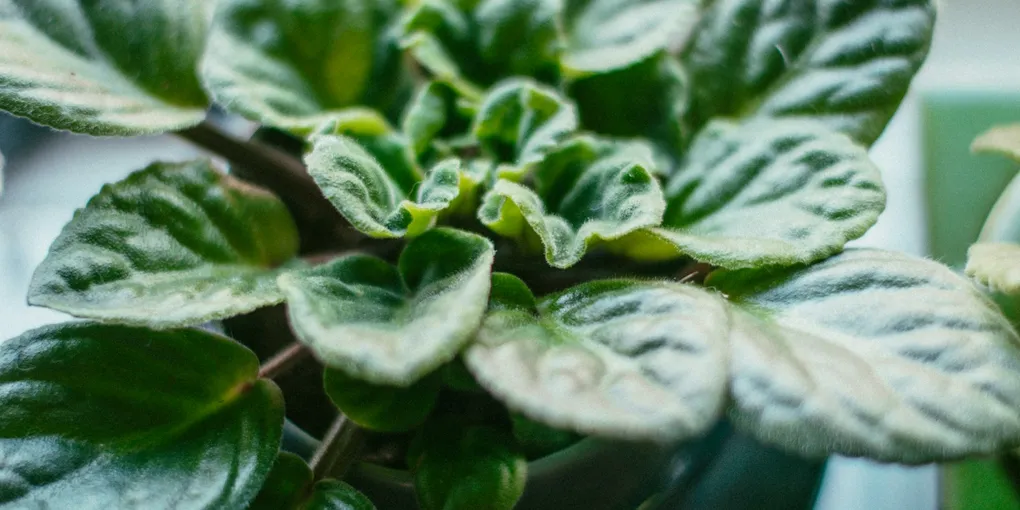
String of turtles (Peperomia prostrata) is a trailing succulent-adjacent plant with small, rounded leaves patterned in a mottled green-and-brown design that really does look like tiny turtle shells strung along a thin, wiry stem. It’s part of the same peperomia family as more common houseplant peperomias, but grown for its trailing habit rather than upright foliage, putting it in similar territory to string of pearls and string of hearts on a shelf or in a hanging pot.
Light
String of turtles wants bright, indirect light, and does well with a bit of gentle direct sun in the morning or late afternoon. Too little light causes the trailing stems to stretch out with leaves spaced further apart instead of growing in the tight, dense pattern that makes this plant attractive. Avoid harsh midday direct sun, which can scorch the small leaves.
Watering
Treat it like a succulent: let the soil dry out most of the way between waterings, then water thoroughly. The leaves store some water, similar to string of pearls, which makes this plant more tolerant of a missed watering than of soil that stays consistently wet. Overwatering — soil that never gets a chance to dry out — is the most common way this plant runs into trouble, usually showing up as mushy, translucent leaves and stems that rot at the base.
Soil and pot
Use a fast-draining succulent or cactus mix, or a standard potting mix cut with extra perlite. A pot with a drainage hole is important, since the thin, wiry stems don’t leave much margin for error if the roots sit in wet soil for long. See the best soil mix for houseplants for how to adjust the ratio toward faster drainage.
Propagation
String of turtles propagates easily from stem cuttings, much like other trailing peperomias. Snip a length of stem with a few leaf nodes, let the cut end callous over for a day, and lay it on top of moist, well-draining soil — roots typically form at the nodes that make contact with the soil within a couple of weeks. See how to propagate houseplants from cuttings for the general method.
Common problems
Mushy, translucent leaves are the clearest sign of overwatering, often with rot starting at the base of the stems. Let the soil dry out fully, and if rot has set in, cut back to healthy stem tissue and consider taking cuttings to start a fresh, healthy plant if the damage is extensive.
Shriveled, wrinkled leaves point to underwatering, though this is much less common than overwatering issues with this plant. A thorough soak should plump the leaves back up within a day or so if the roots are still intact.
Long, sparse, stretched-out stems with leaves spaced far apart mean the plant isn’t getting enough light. Move it somewhere brighter, and trim back the leggiest stems to encourage fuller, denser new growth — see how to fix a leggy houseplant for more on this.
Fading leaf pattern, where the mottled turtle-shell markings look washed out or overly pale, usually also traces back to insufficient light — the patterning tends to be most vivid when the plant is getting plenty of bright, indirect light.