How to Care for a Hoya (Wax Plant)
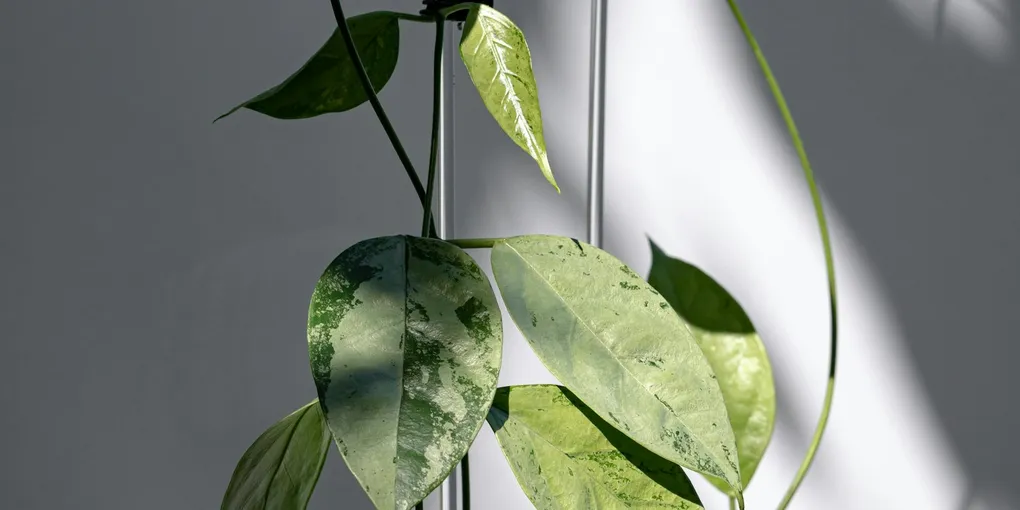
Hoyas, commonly called wax plants, are trailing and climbing vines prized for their thick, glossy, almost artificial-looking leaves and clusters of star-shaped, fragrant flowers. They’re semi-succulent, storing water in their leaves, which makes them forgiving of a missed watering but unforgiving of a soggy pot. The two most popular varieties are Hoya carnosa, a classic trailing vine with waxy oval leaves, and Hoya kerrii, the “sweetheart hoya” sold as single heart-shaped-leaf cuttings around Valentine’s Day. Both want the same basic care.
Light
Hoyas want bright, indirect light, and more of it than most trailing houseplants tolerate well. A spot near an east- or west-facing window, or a few feet back from a south-facing one, works best. Too little light and a hoya will survive but rarely flower and grow slowly with long gaps between leaves. Some gentle direct morning sun is fine and often encourages better blooming, but hot midday or afternoon sun through glass can scorch the leaves.
Watering
Let the soil dry out almost completely before watering again — hoyas store water in their thick leaves the way succulents do, and they’re far more likely to suffer from overwatering than from underwatering. Check the pot is dry a couple inches down, then water thoroughly and let it drain. In winter, when growth slows, stretch the interval even longer. If you’re unsure whether a droopy or wrinkled leaf means too much or too little water, see overwatering vs. underwatering for how to tell the difference.
Soil and pot
Use a fast-draining mix, not standard dense potting soil. A blend of potting mix with extra perlite or orchid bark works well, similar to what you’d use for succulents. Hoyas also do best a little snug in their pot — they don’t mind being slightly root-bound and often flower better that way, so size up gradually rather than jumping to a much bigger pot. Whatever container you choose, make sure it has a drainage hole; see how to choose the right pot size if you’re repotting one for the first time.
Humidity
Average household humidity is fine for most hoyas, but they’ll grow a bit faster and produce glossier leaves with some extra moisture in the air, especially in dry winter months. Grouping plants together or running a humidifier nearby helps; for more options, see how to increase humidity for houseplants.
Getting a hoya to bloom
Hoyas flower in clusters called umbels — small, star-shaped, waxy blooms that are often strongly and pleasantly fragrant, especially in the evening. To coax blooms, give the plant as much bright light as you can without scorching it, let it dry out well between waterings, and be patient — a hoya usually needs to mature and fill out its pot before it flowers at all, which can take a couple of years from a small cutting. Once flowering starts, don’t remove the old flower stalks (peduncles); hoyas rebloom from the same spurs year after year, so cutting them off delays future flowers.
Growth habit and climbing support
Hoya carnosa is a natural climber and trailer. Left in a hanging pot, it will cascade nicely; given a trellis, moss pole, or wire hoop, it will climb and fill out fuller than it would trailing on its own. Hoya kerrii is usually sold as a rooted single leaf and grows extremely slowly, sometimes staying a single heart-shaped leaf for a long time before producing a vine — that’s normal, not a sign anything’s wrong.
Toxicity
Hoyas are considered non-toxic to cats and dogs, making them a solid pick if you’re building out a collection of pet-safe houseplants.
Common problems
Shriveled, wrinkled leaves usually mean the plant has gone too long without water and is drawing on its stored reserves. Water thoroughly and the leaves should plump back up within a day or two.
Leaves turning yellow and dropping is almost always overwatering — soil staying wet too long between waterings. Let it dry out further and confirm the pot drains freely. See why plant leaves turn yellow for other causes.
No flowers despite healthy growth usually comes down to insufficient light or a plant that simply hasn’t matured enough yet. Move it somewhere brighter and give it time before assuming something’s wrong.
Sticky residue on leaves or the floor beneath the plant can be nectar from the flowers themselves, which is normal, or a sign of pests like mealybugs or aphids. If you don’t see open flowers, check the stems and leaf undersides — see common houseplant pests for how to identify and treat them.