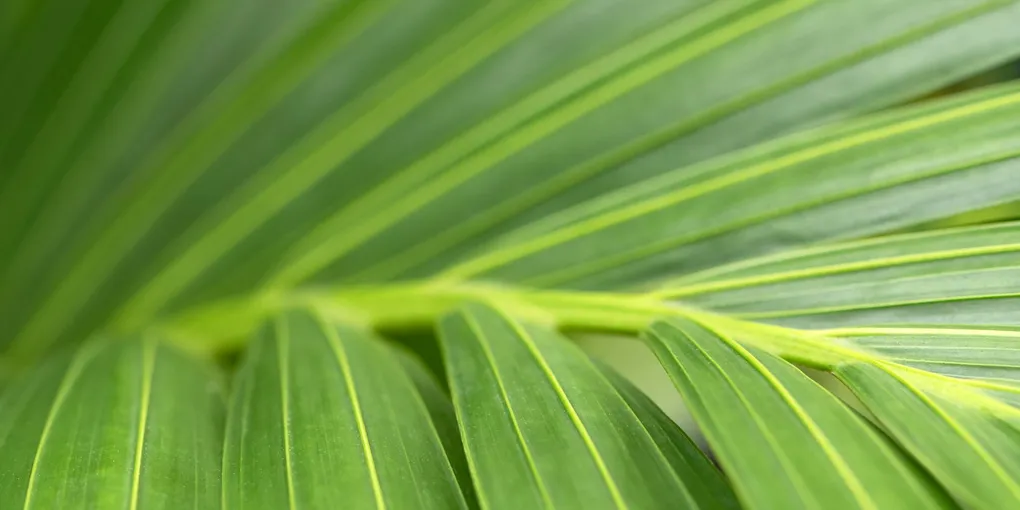
How to Care for a Kentia Palm
Kentia palm (Howea forsteriana) has been the go-to palm for dim hotel lobbies, offices, and Victorian parlors for well over a century, and it earned that reputation honestly: no other common indoor palm tolerates low light, irregular watering, and general neglect as well as this one does. It grows slowly, with slender, dark green fronds arching from tall, bare trunks, and it never gets the leaf-tip drama that makes palms like the areca palm or majesty palm frustrating. If you’ve killed a majesty palm and want the same lush, arching look without the fuss, kentia palm is the trade to make.
Light
Kentia palm’s defining trait is how well it handles low light. It won’t stop a beginner from succeeding the way a majesty palm might, and it holds up in a north-facing room or a corner a few feet from any window better than almost any other palm sold for indoor growing. That said, “tolerates low light” isn’t the same as “wants no light” — growth in dim spots is slower and sparser, and the plant looks fuller and grows faster in bright, indirect light. If your space qualifies as genuinely low light, see best low-light houseplants for how kentia palm compares to other shade-tolerant options, and how much light do houseplants need if you’re not sure how to size up a room.
Avoid direct sun regardless of how much light the rest of the plant can handle. Strong, unfiltered rays scorch and bleach the fronds, so keep it out of a bare south or west window even though it’s happy several feet back from one.
Watering
Let the top inch or two of soil dry out before watering again, then water thoroughly and let it drain. Kentia palm is far more forgiving of a missed watering than of consistently soggy soil — it handles going a bit longer between waterings better than most houseplants, but sitting in wet soil invites root rot the same way it would with any palm. See watering houseplants the right way for the general approach, and don’t feel obligated to check on it daily; this is one of the few plants where checking weekly is genuinely fine.
Like most palms, kentia palm can develop brown frond tips from the chlorine, fluoride, and mineral salts in tap water, though it’s noticeably less prone to this than areca or majesty palm. If you’re seeing tip burn despite reasonable watering habits, switching to filtered or distilled water usually clears it up — see best water for houseplants for details.
Humidity
Kentia palm prefers higher humidity but, unlike majesty palm, doesn’t demand it to stay healthy. Average home humidity is enough to keep it looking fine; it’s only in very dry air, especially near heating vents in winter, that you’ll start seeing crispy tips or spider mites. If your home runs dry, a humidifier or a pebble tray helps, but don’t feel like you need to engineer a rainforest around this plant the way you would for a fussier palm. See how to increase humidity for houseplants if you do want to raise it.
Soil and pot
A standard well-draining houseplant mix works well — see the best soil mix for houseplants if you want to blend your own. Make sure the pot has a drainage hole; kentia palm’s tolerance for neglect covers missed waterings, not standing water. It’s also a slow grower with a relatively compact root system for its size, so it doesn’t need frequent repotting — expect to size up every few years at most, and only once it’s visibly root bound.
Fertilizing
Feed lightly. A balanced liquid fertilizer diluted to half strength, applied once every 6-8 weeks during spring and summer, is enough — skip it entirely in fall and winter. Because kentia palm grows slowly, it doesn’t use up nutrients quickly, and over-fertilizing is more likely to cause problems (salt buildup, leaf-tip burn) than underfeeding is.
Toxicity
Kentia palm is non-toxic to cats and dogs, which makes it a solid large statement plant for a household with pets, especially given how little upkeep it demands compared to other pet-safe palms. See pet-safe houseplants for cats and dogs for more options, and nearly indestructible houseplants for beginners if you want other plants in the same low-fuss category — kentia palm belongs on that list as much as anywhere else. If you want a smaller-scale, tabletop version of the same tolerant palm approach, the parlor palm is worth a look too.
Common problems
Slow growth is normal, not a symptom of anything wrong. Kentia palm is simply a slow grower by nature — a few new fronds a year is typical even under good conditions, and that pace doesn’t speed up much no matter what you do. It’s part of why mature specimens cost more than other palms of the same size.
Brown, crispy frond tips are usually from tap water mineral buildup or, less commonly, very dry air. Switch to filtered or distilled water first, since that’s the more frequent cause with this plant; existing brown tips can be trimmed off with clean scissors but won’t turn green again.
Yellowing fronds most often point to overwatering or a pot without drainage. Let the soil dry further between waterings and confirm water isn’t pooling in the pot. See why are my plants’ leaves turning yellow if yellowing persists after you’ve addressed watering.
Spider mites can show up in dry indoor air, though less readily than on thirstier palms. Look for fine webbing and stippled, dull-looking fronds. See how to get rid of spider mites on houseplants for treatment, and raise humidity afterward to keep them from coming back.
Fronds browning and dying at the base as the plant matures is normal — older, lower fronds decline over time and can be cut off at the base once fully brown. It’s only a concern if new growth isn’t keeping pace or if multiple fronds brown at once, which usually points to a watering or root issue rather than normal aging.