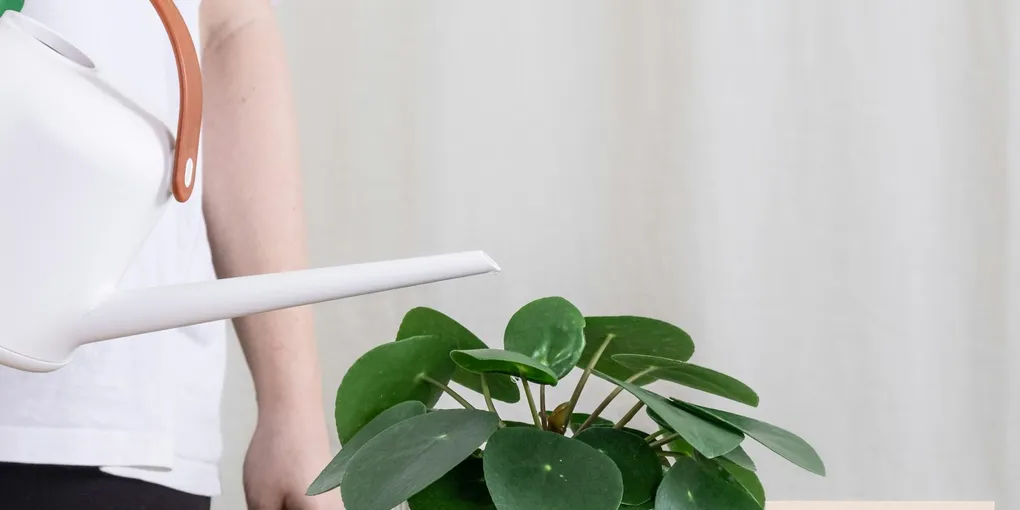
What's the Best Water for Houseplants? Tap vs. Filtered vs. Distilled
Most houseplants don’t care much about water quality — they care much more about watering technique than about what’s in the water. But a handful of common houseplants are genuinely sensitive to what comes out of your tap, and knowing which ones lets you stop guessing why their leaf tips keep browning.
Tap water is fine for most plants
For the vast majority of houseplants, plain tap water straight from the faucet works well. The concerns people worry about — chlorine, chloramine, fluoride, dissolved minerals — build up slowly and only cause visible damage in a small number of sensitive species. If your plants are thriving, there’s no reason to switch.
The main things in tap water worth knowing about:
- Chlorine: added by most municipal water systems to kill pathogens. It’s volatile, so it offgasses out of water left sitting uncovered for about 24 hours.
- Chloramine: increasingly used instead of chlorine because it’s more stable — which is exactly why letting water sit out doesn’t remove it. If your water utility uses chloramine (check your local water quality report), sitting water out overnight won’t help.
- Fluoride: added in many municipal systems for dental health. Unlike chlorine, it doesn’t offgas at all, and it’s the main culprit behind leaf-tip burn in fluoride-sensitive plants.
- Dissolved minerals: calcium and magnesium (“hardness”) can build up in soil over time and show up as a white crust on the soil surface or pot rim.
The “let it sit out” trick has limits
Filling a watering can and letting it sit uncovered for a day is a popular tip, and it does work — for chlorine. It does nothing for chloramine or fluoride, since neither evaporates out of standing water. If you’re doing this specifically to protect a fluoride-sensitive plant, it’s not actually solving the problem; you’ll need filtered or distilled water instead.
Filtered water
A standard household filter (pitcher filter, fridge filter, or under-sink carbon filter) removes chlorine and reduces some minerals, and it’s a reasonable middle ground. It won’t remove fluoride, since fluoride typically requires reverse osmosis or distillation to filter out. If your only concern is chlorine or general water taste/quality, filtered water is an easy upgrade with no real downside.
Distilled and reverse osmosis water: best for sensitive plants
Distilled water and reverse osmosis (RO) water are stripped of essentially all minerals, chlorine, chloramine, and fluoride. This makes them the safest option for plants that are known to react to tap water, but it’s overkill for most houseplants — and because it has zero minerals, plants that get only distilled or RO water long-term may eventually need a bit of extra fertilizer, since you’ve removed trace minerals along with the contaminants.
Reserve distilled or RO water for plants you already know are sensitive, rather than switching your whole collection over.
Which plants are actually sensitive
A short list of houseplants are known for reacting to fluoride and mineral buildup, usually with brown, crispy leaf tips or margins even when watering technique is otherwise correct:
- Dracaenas (including corn plants and lucky bamboo) are some of the most fluoride-sensitive houseplants around.
- Spider plants are notorious for brown tips, and fluoride in tap water is one of the most common causes.
- Calatheas and other prayer plants are sensitive to both fluoride and mineral buildup, on top of being fussy about humidity and watering consistency in general.
If one of these plants has crispy, brown-tipped leaves and you’ve already ruled out underwatering and low humidity, switching to filtered or distilled water is worth trying before you assume something else is wrong.
Rainwater
Rainwater is naturally soft, free of added chlorine and fluoride, and slightly acidic — close to ideal for most houseplants. If you can collect it (a container left out during rain works fine), it’s a good free option for fluoride-sensitive plants. The only caveat is cleanliness: don’t use runoff from a roof that sheds debris or chemicals into the collection container.
Aquarium water
Water from a fish tank (during a water change) is a nice bonus for houseplants, since it’s already dechlorinated and carries a small amount of dissolved fish waste that acts as a mild, diluted fertilizer. It’s not a substitute for real fertilizer or a fix for water-quality sensitivity, but it’s a good way to put water you’re already discarding to use.
Softened water: avoid it
Water from a household water softener has had calcium and magnesium swapped out for sodium, and sodium builds up in soil in a way that’s genuinely harmful to plants over time — unlike chlorine or fluoride, it doesn’t just cause cosmetic tip burn, it can damage roots. If your home has a softener on the main water line, use an unsoftened tap (many homes have one at an outdoor spigot or kitchen cold line) or switch to filtered/distilled water instead.
Temperature matters too
Water temperature is a smaller factor, but it’s an easy one to get right: use room-temperature water rather than water straight from the cold tap or a hot line. Cold water can shock roots and slow uptake, while very warm water can stress them in the other direction. Letting a watering can sit at room temperature for a bit — which also happens to help offgas chlorine — solves both problems at once as part of watering the right way.