How to Care for an Anthurium Clarinervium
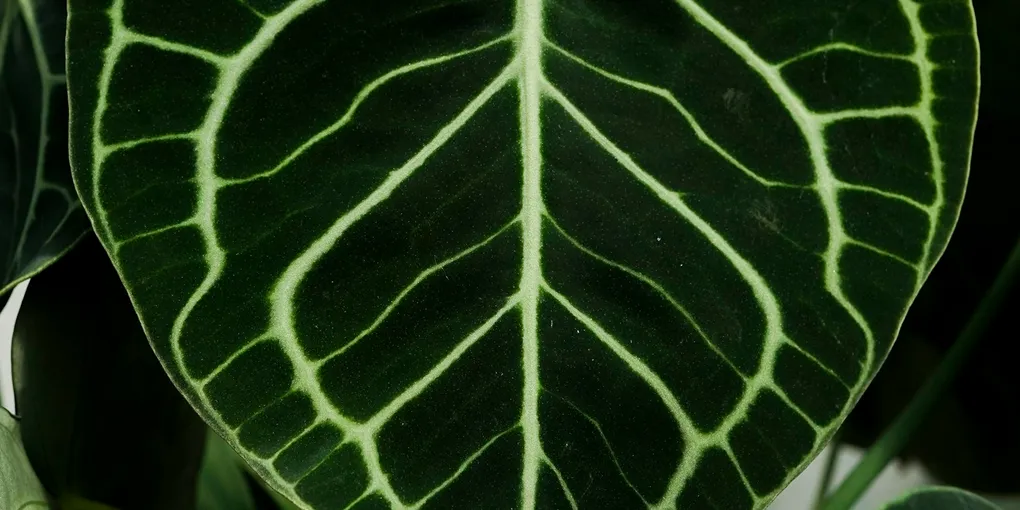
Anthurium clarinervium is a collector favorite for one reason: broad, heart-shaped leaves in a deep matte green, carved by a network of bright white or silvery veins that look almost hand-drawn against the dark leaf surface. It’s often grouped with Anthurium crystallinum and Anthurium veitchii as one of the “velvet” anthuriums, but its care leans differently in one important way — this one is far less tolerant of wet roots than its humidity-loving reputation would suggest.
What makes it different
Clarinervium’s leaves are more distinctly heart-shaped than crystallinum’s — broader, with a pronounced notch and lobes at the base — and the veining tends to read as a sharper, more graphic white-on-green contrast rather than the softer silvery wash you see on crystallinum. It’s also a more compact plant overall, staying smaller and more manageable on a shelf than the sprawling leaves of veitchii. The bigger practical difference is watering: while most velvet anthuriums want consistently moist mix, clarinervium’s roots are noticeably more prone to rot and do better allowed to dry out somewhat between waterings, even though the plant still wants high humidity in the air around its leaves. Humidity and root moisture aren’t the same thing with this species, and mixing them up is the most common way people kill it.
Light
Give it bright, indirect light — a spot near an east-facing window, or a few feet back from a brighter south- or west-facing one. Light is what keeps the vein contrast sharp; in lower light the new leaves tend to come in a duller, less defined green with less of that white patterning, and the plant will also stretch and get leggy reaching for a light source. Keep it out of direct sun, though — the matte leaf surface scorches easily, leaving dry, bleached patches that won’t recover.
Watering
This is where clarinervium parts ways with most of its humidity-loving relatives. Let the top half of the pot dry out before watering again, rather than keeping the mix consistently moist the way you would for a pothos or a typical anthurium. The roots are thin and rot easily in mix that stays wet, and this species is noticeably more sensitive to overwatering than crystallinum or veitchii. Water thoroughly until it runs from the drainage hole, then leave it alone until the mix has dried out again — when in doubt, wait an extra day rather than watering early. If you’re not sure whether a struggling plant is over- or underwatered, overwatering vs. underwatering walks through how to tell the two apart.
Soil and pot
Use a chunky, fast-draining aroid mix — orchid bark, perlite, and a smaller amount of peat or coco coir gives the roots the airflow they need while still holding a bit of moisture. Dense potting soil on its own stays wet for far too long and is a near-guarantee of root problems on this plant. See how to make a chunky aroid potting mix for a ratio to start from. Always use a pot with a drainage hole, and don’t size up more than one pot size at a time — too much mix around a small root system holds excess water and works against the dry-down cycle this plant needs.
Humidity
Clarinervium wants humidity of 60% or higher to produce full-sized leaves with crisp, well-defined veining. Below that, leaves tend to come in smaller with duller markings, and edges can crisp up. A pebble tray or occasional misting usually isn’t enough on its own — grouping plants together, running a humidifier nearby, or growing it in an enclosed cabinet gets more consistent results. See how to increase humidity for houseplants for the general methods. Just keep the watering guidance above in mind — high humidity in the air is not a reason to water more often at the roots.
Temperature
Keep it in a normal indoor range of roughly 65-80°F (18-27°C) and away from cold drafts, windows in winter, or air conditioning vents. Anthuriums in general are sensitive to sudden temperature swings, and clarinervium’s thinner leaves show stress — usually as dark, water-soaked patches or a sudden droop — faster than tougher aroids do.
Toxicity
Like other aroids, Anthurium clarinervium contains calcium oxalate crystals and is toxic to cats and dogs if chewed, causing mouth and stomach irritation. Keep it out of reach of pets, or see pet-safe houseplants for cats and dogs for non-toxic alternatives if you need one for the same room.
Common problems
Mushy, blackened stems near the soil line are the most common way this plant dies, and they point to a mix that’s staying wet too long or a pot without enough drainage. Unpot and check the roots at the first sign of a droop that doesn’t match the soil moisture — see how to identify and fix root rot for how to assess and recover it.
Crispy or curling leaf edges usually mean low humidity, not underwatering. Check the air around the plant before adjusting the watering schedule.
Faded or less distinct white veining on new leaves typically comes from insufficient light — the contrast between the veins and the leaf surface is much more pronounced on growth that developed in bright, indirect light.
Slow growth or long gaps between new leaves can simply be normal; this is a slow grower even under good conditions. But if it’s been many months without a new leaf, check both light and whether the roots have rotted, since a plant losing root mass often stalls above the soil line long before it shows other symptoms.
Clarinervium rewards a bit more restraint than its jungle-humidity reputation suggests: bright indirect light, high air humidity, and a mix that’s allowed to dry out between waterings rather than one kept constantly moist. Get the balance right and it’s a slow but steady grower with some of the most striking foliage of any velvet-leaf aroid.