Sooty Mold on Houseplants: What It Is and How to Remove It
A black, sooty coating spreading across a plant’s leaves looks like something is seriously wrong, but sooty mold itself is rarely the real problem. It’s a secondary fungus that grows on a food source left behind by something else — which means clearing it for good means dealing with that something else first.
What sooty mold is
Sooty mold is a fungus that doesn’t infect the plant directly. Instead, it grows on honeydew, the sugary waste that sap-sucking pests like aphids, whiteflies, mealybugs, and scale insects excrete as they feed. Given a sugary surface to grow on and enough time, the mold spreads into the dark, sooty film that gives it its name.
How to identify it
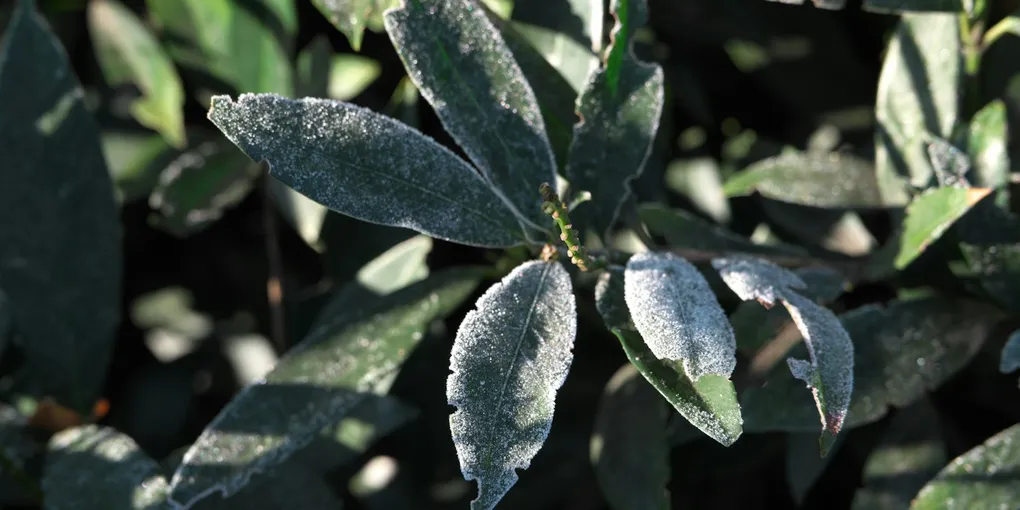
A black, powdery or sooty film on the upper surface of leaves is the main sign, often looking like a light dusting of soot or ash rather than a typical fungal spot or blotch. Run a finger across it and it usually smudges or wipes away at least partially, which helps distinguish it from other kinds of leaf discoloration that are actually part of the leaf tissue.
Location tells you something too. Sooty mold tends to show up on leaves positioned below where an infestation is actively feeding, since honeydew drips downward from stem tips, leaf undersides, or buds onto the foliage beneath. Tracing the mold upward to its source is often the fastest way to find the pest causing it.
It can look dramatic without being severe. A light case might be a faint gray-black tint on a few leaves; a heavy, long-standing infestation can coat entire leaves and nearby surfaces like shelves or windowsills in a genuinely thick black layer.
Why it’s worth dealing with
Sooty mold isn’t directly toxic to the plant, and it isn’t a wound or infection the way root rot or a fungal leaf spot would be. But it’s not harmless either: a heavy coating blocks light from reaching the leaf surface underneath, which can measurably cut into a plant’s ability to photosynthesize if it’s built up thickly enough over time. More importantly, it’s a reliable sign that an active pest infestation is happening somewhere on the plant, even if you haven’t spotted the insects themselves yet.
Find and treat the underlying pest first
This is the step that actually matters — wiping off sooty mold without addressing what’s causing it just buys a few weeks before it’s back. Check stem tips, the undersides of leaves, and any flower buds closely for the insects themselves or other signs like sticky residue, webbing, or small bumps along stems. Once you’ve identified which sap-sucker is responsible, treat it directly; the mold has no independent way to sustain itself once its food source is gone.
How to remove the mold itself
Once the pest is under control, wipe affected leaves down with a damp cloth, or a cloth dampened with a diluted mild soap solution for a more stubborn buildup. For heavy coatings, a soft brush worked gently over the leaf surface helps lift mold that a wipe alone won’t fully clear. There’s no need for a fungicide — sooty mold doesn’t need to be killed chemically, just physically removed, and it won’t return on its own once the honeydew supply feeding it is cut off.
Prevention
Regular leaf cleaning does double duty here: it keeps dust and light honeydew from building up into a real problem, and it gives you a reason to inspect the plant closely on a routine basis, so a new infestation gets caught while it’s still small. See how to clean houseplant leaves for a simple routine worth adding if you don’t already have one. Catching aphids, whiteflies, mealybugs, or scale early — before honeydew has had time to accumulate and mold to take hold — is by far the easiest way to avoid dealing with sooty mold at all.