How to Clean Houseplant Leaves (and Why It Matters)
Dust on a leaf isn’t just cosmetic. A layer of dust blocks light from reaching the leaf surface, which cuts into photosynthesis the same way pulling a plant a few feet back from a window would. Dusty, undisturbed leaves are also more inviting to pests — spider mites in particular thrive in the dry, still conditions that build up on a leaf nobody has touched in months. Cleaning your plant’s leaves is routine maintenance, not detailing.
Smooth, broad leaves
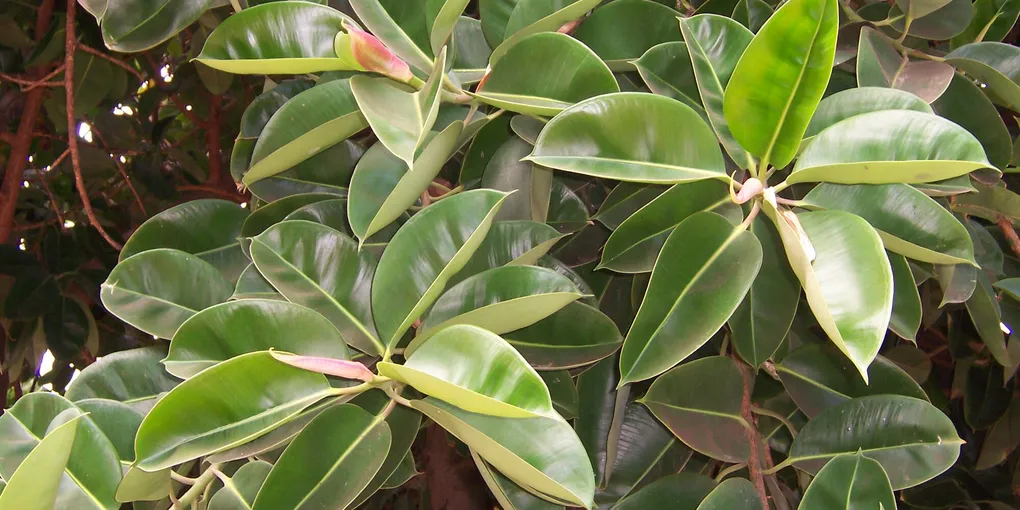
Plants like rubber plants, fiddle leaf figs, and monstera have large, smooth leaves that are easy to wipe by hand.
- Use a soft, damp cloth or sponge — plain water is enough, no soap or polish needed.
- Support the leaf from underneath with one hand while you wipe with the other, so you’re not putting pressure on the leaf from above and risking a tear or snapped petiole.
- Wipe both the top and underside of the leaf. Dust and pests both accumulate on the underside as much as the top, and it’s the side you’re least likely to check otherwise.
This is slow work on a plant with a lot of leaves, but for a fiddle leaf fig or rubber plant with only a few dozen large leaves, it takes a few minutes and makes an obvious difference in how much light actually reaches the plant.
Smaller, bushier plants
For plants with a lot of small leaves — pothos, philodendron, peace lily — wiping each leaf individually isn’t practical. A lukewarm shower or a sink rinse is faster and covers the whole plant at once.
- Run lukewarm (not cold) water over the entire plant, letting it drain fully afterward so the pot doesn’t sit in runoff.
- Tilt the plant slightly so water runs off the leaves rather than pooling in the crown or leaf joints, which can encourage rot on plants like peace lilies that hold water in tight growth points.
- Let the plant drip-dry somewhere out of direct sun before moving it back to its usual spot, since wet leaves in strong direct light can scorch.
This method also doubles as a light pest check — a rinse will dislodge many light infestations before they take hold.
Fuzzy-leaved plants
African violets and other fuzzy-leaved plants are the exception. Water sitting on the fine hairs of the leaf can cause spotting or rot, so skip water entirely and use a soft, dry brush instead — a clean makeup brush or small paintbrush works well. Brush gently in one direction to lift dust off without bruising the leaf.
Skip the leaf shine products
Commercial “leaf shine” sprays and wipes promise a glossier look, but many of them clog the leaf’s stomata — the small pores plants use to breathe and regulate moisture. A blocked leaf can’t photosynthesize or transpire normally, which defeats the purpose of cleaning it in the first place. Plain water, wiped or rinsed off, does everything a leaf actually needs. If you want shine, a genuinely dust-free leaf already has it.
How often
There’s no strict schedule to follow. Clean leaves whenever dust is visibly noticeable — for most homes, that works out to roughly once a month, more often in dustier rooms or during a season when windows stay closed. Treat it as part of the same routine as checking soil moisture or looking over leaves for pests, not as a separate chore to schedule around.