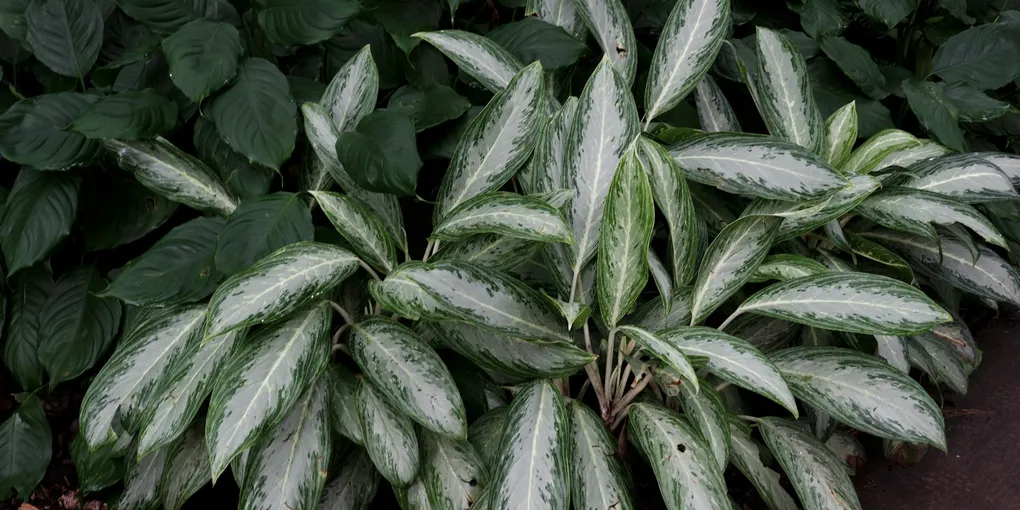
How to Care for an Aglaonema (Chinese Evergreen)
Aglaonema, commonly sold as Chinese evergreen, is one of the most forgiving foliage houseplants you can grow. It tolerates the low light and inconsistent watering that would stress out a lot of other plants, and its patterned leaves — silver, pink, or deep green depending on the variety — give you a lot of visual variety without a lot of extra effort.
Light
Aglaonema handles low light better than almost any other common houseplant, which is a big part of why it shows up so often in offices and interior spaces with little natural light. That said, the darker-leaved varieties tolerate low light best, while varieties with more pink or silver variegation want brighter indirect light to keep that coloring vivid — in low light, variegated types tend to grow back greener and lose some of the patterning. Direct sun will scorch the leaves, so keep it out of harsh afternoon rays regardless of variety. For more on matching plants to the light you actually have, see how much light do houseplants need.
Watering
Let the top 1-2 inches of soil dry out before watering again. Aglaonema is fairly forgiving of a missed watering, but it doesn’t like sitting in soggy soil — overwatering is the most common way people run into trouble with this plant. Water thoroughly until it drains from the bottom, then let the pot drain fully rather than letting it sit in standing water. See watering houseplants the right way for a full method based on soil feel rather than a fixed schedule.
Soil and pot
A standard, well-draining potting mix works well. Choose a pot with a drainage hole, since Aglaonema’s roots are more sensitive to prolonged wet soil than its easygoing reputation might suggest. If you’re unsure on pot sizing, see how to choose the right pot size for houseplants.
Humidity
Aglaonema is native to tropical understories and appreciates higher humidity, but it adapts well to normal indoor air and doesn’t demand the same consistent moisture that a calathea or fern does. If you notice browning leaf edges, boosting humidity is worth trying — see how to increase humidity for houseplants.
Toxicity
Aglaonema contains calcium oxalate crystals and is toxic to cats and dogs if chewed, causing oral irritation, drooling, and vomiting. Keep it out of reach of curious pets, or choose from pet-safe houseplants for cats and dogs instead.
Common problems
Yellow leaves are usually a sign of overwatering — soil that’s staying wet rather than drying out between waterings. Cut back on frequency and confirm the pot drains properly before looking elsewhere.
Brown leaf tips and edges point to low humidity, a buildup of fertilizer salts, or water high in minerals. Try flushing the soil with plain water occasionally and see the best water for houseplants if tap water in your area is particularly hard.
Faded variegation on pink or silver varieties usually means the plant isn’t getting enough light. Move it somewhere brighter — just avoid direct sun, which will scorch the leaves instead of restoring their color.
Slow growth in winter is normal rather than a sign of a problem. Aglaonema, like most houseplants, grows more slowly with less available light in the colder months — water less often during this stretch, since the soil will take longer to dry out. See winter houseplant care for more on adjusting your routine seasonally.