How to Care for a Philodendron Micans
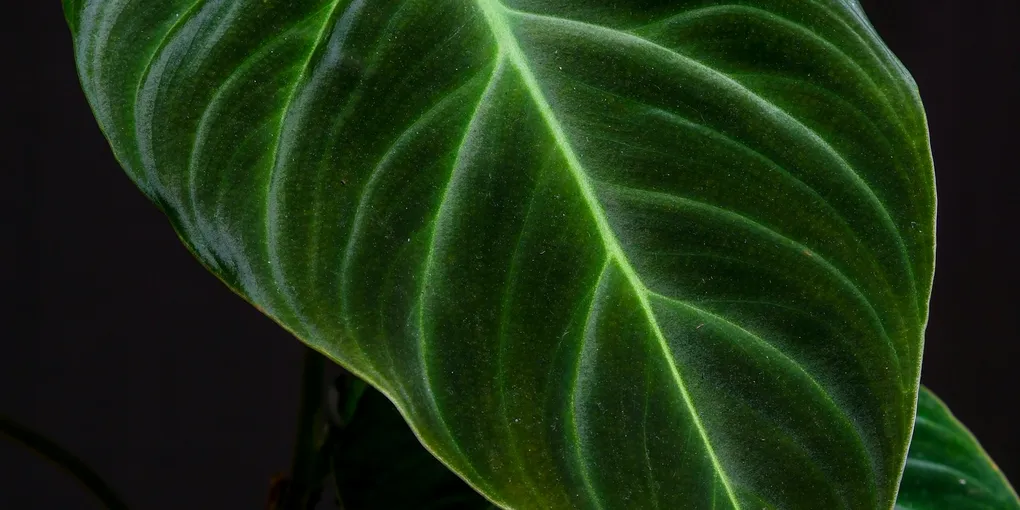
Philodendron Micans (Philodendron hederaceum var. hederaceum ‘Micans’) is technically the same species as the common heartleaf philodendron, but it doesn’t look or feel like one. Its small heart-shaped leaves have a soft, velvety texture instead of a satin finish, and they shift color depending on the angle of light — deep green shading into bronze, copper, and sometimes a faint purple sheen. New leaves often unfurl in a reddish copper before settling into their mature color. It’s a fast, wiry vine, and the care is close to a standard philodendron with a few differences worth knowing.
Light
Bright, indirect light brings out the iridescence that makes this plant worth growing — a spot a few feet back from an east- or south-facing window works well. Low light won’t kill it, but the velvety sheen fades and the leaves lean flatter green, and the vine stretches out with more space between leaves as it reaches for a better light source. Avoid direct midday sun, which can scorch the thin, fuzzy leaf surface. See how much light do houseplants need if you’re not sure what a given spot actually provides.
Watering
Let the top 1-2 inches of soil dry out before watering again, the same routine as most other philodendrons. The velvety leaves are a bit more prone to showing stress from inconsistent watering than a glossy-leaved philodendron — leaves can go soft and droopy when the plant is thirsty, then perk back up within a few hours of a good soak. If drooping doesn’t resolve after watering, check the roots for rot rather than continuing to add water.
Soil and pot
A well-draining, slightly chunky aroid mix works best — standard potting soil cut with perlite and a bit of orchid bark is a reasonable approximation. Make sure the pot has a drainage hole; like other philodendrons, it tolerates drying out far better than it tolerates sitting in wet soil, which quickly leads to root rot.
Humidity
Average household humidity is fine for survival, but this plant does noticeably better above 50%. Low humidity tends to show up as crispy leaf edges and slower, smaller new growth before it becomes a serious problem. A pebble tray or humidifier nearby helps if your home runs dry, especially in winter — see how to increase humidity for houseplants for other options.
Growth habit and support
Left to trail, Philodendron Micans looks great cascading from a hanging basket or a high shelf, and plenty of people grow it that way permanently. But it’s also a climber in the wild, and giving it something to climb changes how it grows: leaves get noticeably larger and the velvety texture becomes more pronounced as the vine matures. A moss pole is the easiest way to give it that support if you want fuller, more dramatic foliage instead of a thin trailing vine.
Propagation
Micans roots readily from stem cuttings — snip a section with at least one node, and root it in water or moist soil. It’s one of the faster and more forgiving philodendrons to propagate, so it’s a good plant to practice on. For the full method, see how to propagate houseplants from cuttings.
Toxicity
Like other philodendrons, Micans contains calcium oxalate crystals and is toxic to cats and dogs if chewed, causing oral irritation, drooling, and vomiting. Keep trailing vines out of reach of curious pets — see pet-safe houseplants for cats and dogs for alternatives if that’s a concern in your home.
Philodendron Micans vs. heartleaf philodendron
They’re the same species, so the care overlaps almost completely, but a few things set Micans apart:
- Leaf texture. Micans leaves are distinctly velvety and matte to the touch. Heartleaf philodendron leaves are smooth and semi-glossy.
- Color shift. Micans leaves show iridescent bronze, copper, or purplish tones depending on the light angle. Heartleaf philodendron stays a fairly uniform green.
- Leaf size and habit. Micans leaves tend to stay smaller and the vine grows a bit more compact and wiry than a standard heartleaf philodendron, though both climb and trail the same way.
If you already grow a heartleaf philodendron, Micans is an easy addition — the routine barely changes, and the texture difference is obvious at a glance.
Common problems
Drooping, deflated-looking leaves almost always mean the plant needs water. Check the soil, and if it’s dry a few inches down, water thoroughly — the leaves should firm back up within a few hours.
Yellowing leaves, especially lower on the vine, usually point to overwatering rather than a nutrient issue. Let the soil dry out further before the next watering and confirm the pot drains.
Crispy, brown leaf edges are typically a humidity or underwatering problem, not a pest issue. Increase humidity and check that watering isn’t being stretched out too long between sessions.
Loss of iridescence, flatter green leaves is a light problem — move the plant closer to a brighter, indirect light source.
Leggy vines with small, far-apart leaves mean the plant is stretching for light rather than filling out. See how to fix a leggy houseplant if you want to salvage the existing growth instead of starting over.