How to Care for a Hibiscus
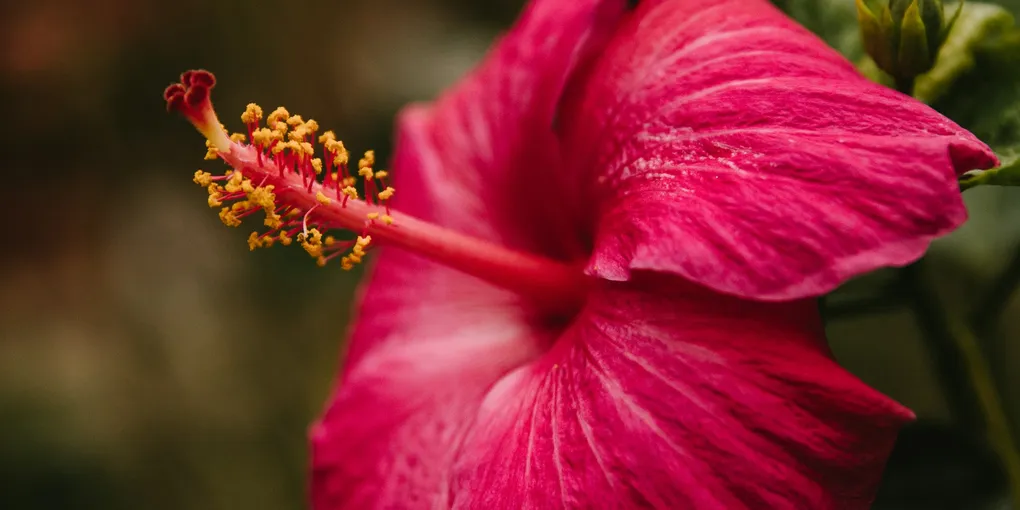
Tropical hibiscus (Hibiscus rosa-sinensis) is grown for its flowers, and few houseplants deliver anything close to the size and color range — blooms can reach several inches across in shades of red, pink, orange, yellow, and white. The tradeoff is that it’s a hungrier, thirstier, more light-demanding plant than most houseplants, and each individual flower only lasts a day or two. Keep it fed and bright enough, though, and a healthy plant will push out a steady stream of new buds through the growing season.
Light
Hibiscus needs a lot of light to bloom — at least a few hours of direct sun daily, more if you can give it. An unobstructed south- or west-facing window works indoors; outdoors on a patio or balcony during warm months is even better, since natural sunlight is almost always stronger than what comes through glass. A plant getting too little light will survive but flower poorly or not at all. See how much light do houseplants need for how to judge what a given window actually provides.
If you move a hibiscus outdoors for summer, do it gradually — direct outdoor sun after months indoors can scorch leaves that haven’t adjusted. Increase its time outside over a week or two, the same approach covered in moving houseplants outdoors for summer.
Watering
Hibiscus is thirstier than most houseplants, especially while it’s actively blooming in warm weather. Water when the top inch of soil feels dry, and don’t let the pot go bone-dry for long stretches — a hibiscus under drought stress drops buds and flowers before they even open. At the same time, the roots still need to drain; soil that stays waterlogged causes root rot just like it would in any other houseplant. For the general method of judging by feel rather than a fixed schedule, see watering houseplants the right way.
Soil and pot
Use a well-draining potting mix in a pot with a drainage hole. Hibiscus also blooms best when it’s slightly pot-bound rather than swimming in a pot that’s too large, so size up gradually — an inch or two at a time — rather than jumping to a much bigger container. See how to repot a houseplant for the general process.
Fertilizing
Hibiscus is a heavy feeder, and consistent fertilizing is one of the biggest factors in how many blooms you get. Feed every one to two weeks during the growing season with a fertilizer formulated for flowering plants — one with more potassium than nitrogen encourages blooms over leafy growth. Cut back to monthly or stop entirely in winter, when growth slows and the plant needs less. See how often to fertilize houseplants for the general rules this builds on, and watch for signs of overfertilizing houseplants if growth looks stressed rather than lush.
Humidity
Hibiscus prefers moderate to high humidity and does fine in typical outdoor or patio conditions in summer. Indoors during winter, dry heated air can cause bud drop and crispy leaf edges on top of whatever the low light is already doing. A humidifier or a pebble tray under the pot helps; see how to increase humidity for houseplants.
Toxicity
Tropical hibiscus is generally considered non-toxic to cats and dogs, making it one of the safer flowering plants to keep around curious pets, though any plant can cause mild stomach upset if a pet eats enough of it. For more options in the same vein, see pet-safe houseplants for cats and dogs.
Common problems
Buds dropping before they open is the most common hibiscus complaint, and it’s almost always caused by stress: inconsistent watering, a sudden move, a cold draft, or too little light. Keep conditions as stable as you can and the plant should resume holding onto its buds once whatever changed settles down.
Few or no flowers despite healthy-looking leaves usually points to insufficient light or insufficient fertilizer — hibiscus needs both in real quantity to bloom well, not just enough to survive. Check light levels first, since more fertilizer won’t compensate for a spot that’s too dim.
Yellowing leaves that drop can mean several things on a hibiscus: overwatering, underwatering, a nutrient deficiency, or simply the plant reacting to a change in environment. Rule out watering issues first with overwatering vs. underwatering houseplants, then consider whether it’s due for feeding.
Sticky residue or small pests on new growth and buds is often aphids, which are drawn to the tender new growth hibiscus produces while actively blooming. See how to get rid of aphids on houseplants for how to clear an infestation without damaging the buds you’re trying to protect.