How to Care for a Dracaena
Dracaena is one of the most common houseplant genera sold at grocery stores and offices, and for good reason — most varieties tolerate low light, irregular watering, and general neglect better than almost anything else you can buy. The care is nearly identical across the genus, whether you have a corn plant, a dragon tree, or something labeled just “dracaena” at the nursery.
Which dracaena do you have?
A few varieties show up constantly:
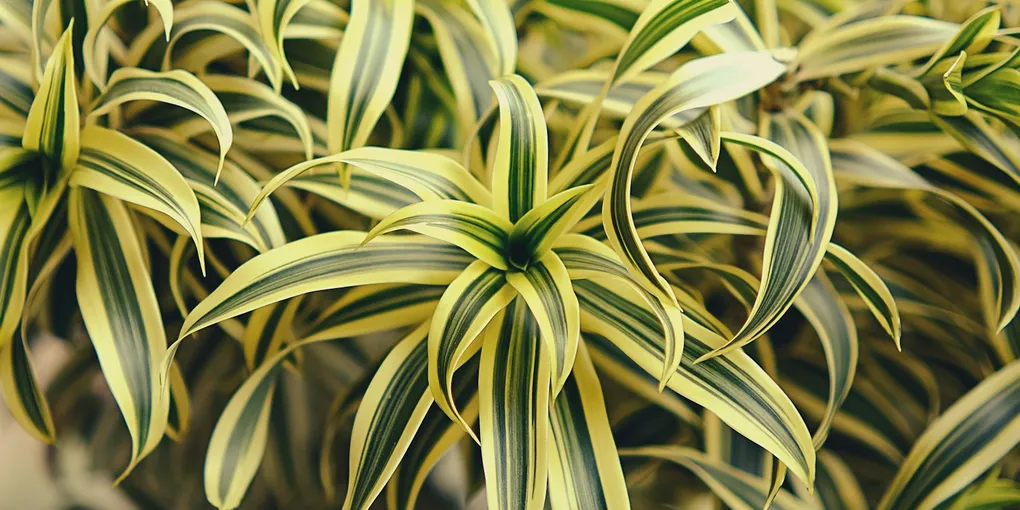
- Dracaena fragrans (“corn plant” or “Massangeana”) — thick cane stems topped with broad, arching, strappy leaves, often with a yellow-green stripe down the center.
- Dracaena marginata (“dragon tree”) — thin, wiry stems with narrow, spiky leaves, usually edged in red or purple.
- Dracaena trifasciata — this is the plant most people know as the snake plant, and it’s been reclassified out of Dracaena into the genus Sansevieria (some botanists still debate the split, but the common usage has moved on). Its care is different enough — much lower water needs, more drought tolerance — that it deserves its own guide. See how to care for a snake plant if that’s what you have.
Everything below applies to true Dracaena — fragrans, marginata, and their many relatives.
Light
Dracaenas do best in bright, indirect light but handle medium and even fairly low light without much complaint, which is why they’re a staple in offices lit only by fluorescent tubes. Variegated varieties (the ones with cream or yellow stripes) want more light to hold their coloring — in low light, new leaves tend to come in a plainer green. Direct sun, especially through a west-facing window in summer, will scorch the leaves, so keep it out of direct rays.
Watering
This is where most dracaena problems start. Let the top 1-2 inches of soil dry out before watering again, and always check with a finger rather than watering on a fixed schedule — see watering houseplants the right way for the general approach. Dracaenas would rather be underwatered than overwatered; soggy soil leads to root rot fast.
The bigger quirk with this genus is fluoride sensitivity. Dracaenas are notably intolerant of the fluoride and chlorine found in most municipal tap water, and it shows up as brown, crispy tips and margins on otherwise healthy-looking leaves. If you’re seeing tip burn despite watering correctly, switch to distilled water, rainwater, or tap water left out uncovered for 24-48 hours to let some of the chlorine dissipate. It won’t reverse existing brown tips, but it stops new ones from forming.
Soil and pot
A standard well-draining potting mix is fine. Adding perlite helps if your mix tends to stay wet for more than a few days after watering. Whatever pot you use, make sure it has a drainage hole — see how to choose the right pot size if you’re repotting a plant that’s outgrown its nursery container. Dracaenas are slow growers and don’t need repotting often; every 2 years or so is plenty for most.
Toxicity
Dracaenas are toxic to cats and dogs if ingested, causing vomiting, drooling, and loss of appetite — this is a real risk with this genus, unlike the visually similar snake plant, which carries a milder version of the same toxicity. If pets chew on houseplants in your home, keep dracaenas out of reach or choose from the options in pet-safe houseplants for cats and dogs instead.
Common problems
Brown, crispy leaf tips are almost always the fluoride/chlorine sensitivity described above, though it can also mean the air is too dry. Switching your water source solves most cases; running a humidifier nearby helps with the rest.
Yellowing lower leaves in small numbers is normal — dracaenas naturally shed older leaves from the bottom of the cane as they grow. It’s only a problem if it’s happening quickly or spreading to newer leaves, which usually points to overwatering. See why plants’ leaves turn yellow to rule out other causes.
A bare, leggy cane with leaves only at the top is just how mature dracaenas grow — the lower leaves drop as the plant ages, leaving woody stem behind. This is cosmetic, not a sign of poor health, and it’s part of why dracaenas are sold with canes cut to staggered heights in the same pot.
Soft, mushy stem near the soil line is root rot, usually from a pot without drainage or watering too often. Unpot the plant, trim away any brown, mushy roots, and repot into fresh, dry soil.