How to Care for a Dracaena Marginata
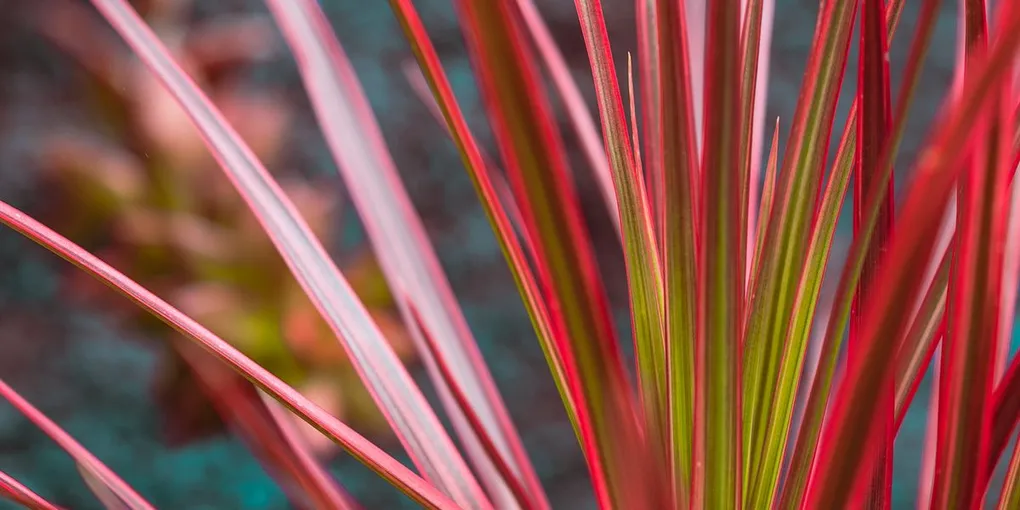
Dracaena marginata — usually just called dragon tree, or Madagascar dragon tree — is the dracaena most people picture: thin, arching, spiky green leaves edged in red or burgundy, growing from slender canes that garden centers often braid together for a fuller look. It’s a specific species within the larger dracaena family, and its cane growth habit and braided form give it a few quirks that a general dracaena overview won’t cover.
Light
Dragon tree tolerates a wide range of light, from medium to bright indirect, which is part of why it shows up in offices and lobbies as often as living rooms. It will survive in dimmer spots, but the red leaf margins fade and growth gets looser and more sparse the less light it gets. For the most vivid color and the most compact growth, give it bright, indirect light — just keep it out of direct sun, which can scorch the leaf tips.
Watering
Let the soil dry out most of the way between waterings. Dragon tree is drought-tolerant and would much rather be underwatered than overwatered — soggy soil is the fastest way to rot the cane. Check a couple of inches down before watering again, and reduce frequency further in winter when growth slows.
One thing that catches people off guard with this plant specifically: it’s more sensitive to fluoride and chlorine in tap water than a lot of other houseplants, and that sensitivity shows up as brown, crispy leaf tips even when watering frequency is otherwise fine. If you’re seeing persistent tip burn and have ruled out underwatering, switching to filtered or distilled water, or water that’s been left out overnight to let chlorine dissipate, often clears it up. See the best water for houseplants for more on this.
Soil and pot
A standard, well-draining potting mix is fine — dragon tree isn’t picky about soil composition the way some houseplants are. What matters more is a pot with a drainage hole, since the plant’s low tolerance for wet feet is really the only fussy thing about it.
Growth habit and braided canes
Dragon tree grows slowly but can eventually reach several feet tall indoors, developing a tree-like shape with bare cane below and a tuft of arching leaves at the top — similar in spirit to how a yucca cane or cordyline matures. Plants sold with multiple canes braided together are just several individual plants trained while young; the braid is permanent and doesn’t need any maintenance beyond keeping the canes healthy. If a cane outgrows the shape you want, it can be cut back — new growth typically sprouts from just below the cut.
Toxicity
Dragon tree is toxic to cats and dogs if chewed, though less severely than the calcium-oxalate aroids like philodendron or dieffenbachia. In cats specifically it can cause vomiting, drooling, and dilated pupils; dogs show similar gastrointestinal symptoms. Keep it out of reach of pets that like to chew on leaves, or see pet-safe houseplants for cats and dogs for alternatives. If you want an equally tough plant with no toxicity concerns, check nearly indestructible houseplants for beginners.
Common problems
Brown, crispy leaf tips or edges are the most common complaint with this plant, and the usual suspects are tap water sensitivity, underwatering, or low humidity — roughly in that order. Try filtered or distilled water first if the rest of your routine seems fine.
Yellowing lower leaves are often just the plant aging normally — dragon tree naturally sheds its oldest, lowest leaves as it grows taller, and this is nothing to worry about as long as it’s limited to a few older leaves at a time. Widespread yellowing across the plant, or yellowing paired with soft stems, points to overwatering instead.
Soft or mushy cane is a sign of stem or root rot from soil that’s stayed wet too long. Let the soil dry out fully, check that the pot drains properly, and trim away any visibly soft or discolored cane tissue.