How to Care for a Cordyline (Ti Plant)
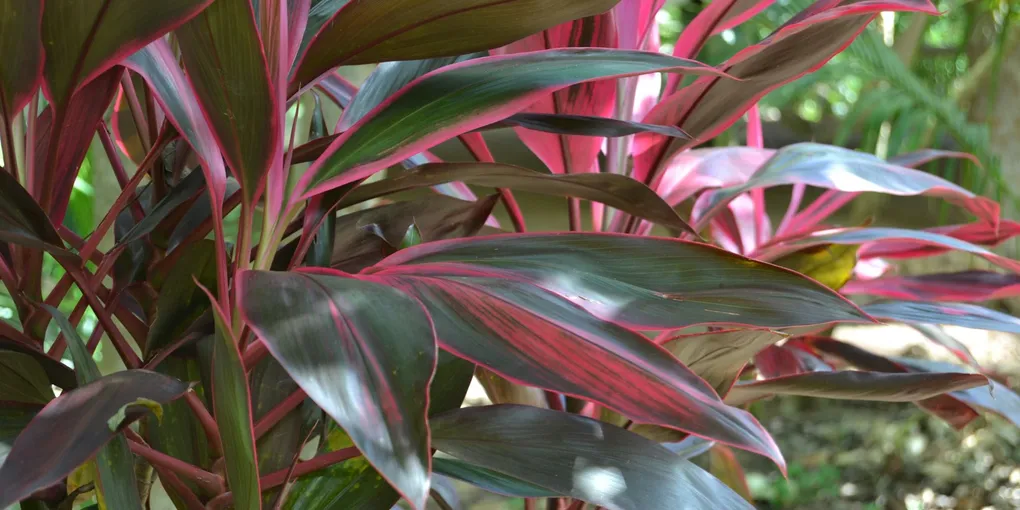
Cordyline fruticosa — sold under names like Ti Plant, Hawaiian Ti, or the “good luck plant” — is grown for its bold, strappy leaves in shades of red, pink, purple, and cream that look almost too vivid to be real. It’s not a difficult plant, but a couple of specific sensitivities separate a Cordyline with rich, saturated color from one that looks washed out and crispy at the edges.
Light
Cordyline needs bright, indirect light to hold onto its vivid coloring — this is the single biggest factor in how good the plant looks. In lower light, new leaves come in fainter and more green, and the plant tends to stretch out instead of growing full and compact. Some gentle direct morning sun is fine and can actually deepen the color further, but avoid harsh afternoon sun, which can scorch the leaves.
Watering
Let the top inch or two of soil dry out before watering again. Cordyline doesn’t want to sit in soggy soil, but it also doesn’t like drying out completely and repeatedly — aim for a steady, moderate rhythm. See watering houseplants the right way for judging by soil feel rather than a fixed schedule.
Soil and pot
A standard, well-draining potting mix works well, in a pot with a drainage hole. Soggy soil around the roots is one of the more common ways this plant runs into trouble, so drainage matters more than any specific soil recipe.
Water quality matters more than usual
Cordyline is closely related to Dracaena and shares its well-known sensitivity to fluoride. Tap water with added fluoride is one of the most common reasons a Cordyline develops brown, crispy tips and margins even when watering technique and light are otherwise fine. If your plant is showing this kind of leaf damage, switching to filtered, distilled, or rainwater is worth trying before assuming something else is wrong — see the best water for houseplants for the full rundown on which plants are sensitive and why.
Humidity
As a tropical plant, Cordyline appreciates above-average humidity and can develop crispier leaf edges in very dry indoor air, particularly in winter with the heat running. It doesn’t demand the same consistent moisture as a fern, but a boost in humidity helps if brown edges persist even after ruling out water quality.
Toxicity
Cordyline is toxic to cats and dogs if chewed, and can cause drooling, vomiting, and lethargy. Keep it out of reach of curious pets — see pet-safe houseplants for cats and dogs for safer alternatives if that’s a concern in your home.
Common problems
Brown, crispy leaf tips and edges are the most common complaint with this plant, and the usual suspects are fluoride in tap water or low humidity — often both at once. Try switching to filtered or distilled water first, since it’s the more frequent underlying cause.
Faded, less vivid color on new leaves points to insufficient light. Move the plant somewhere brighter; established faded leaves won’t regain their color, but new growth should come in more vivid once light improves.
Leaf drop, especially sudden drop of otherwise healthy-looking leaves, is often a reaction to cold drafts or a sudden temperature swing — this is a tropical plant that doesn’t tolerate chill well. Keep it away from drafty windows and doors in winter.
Bare lower stem as the plant matures is normal, not a problem. Like its Dracaena relatives, Cordyline naturally sheds its lowest leaves over time as it grows, gradually revealing a cane-like trunk with a tuft of leaves at the top.