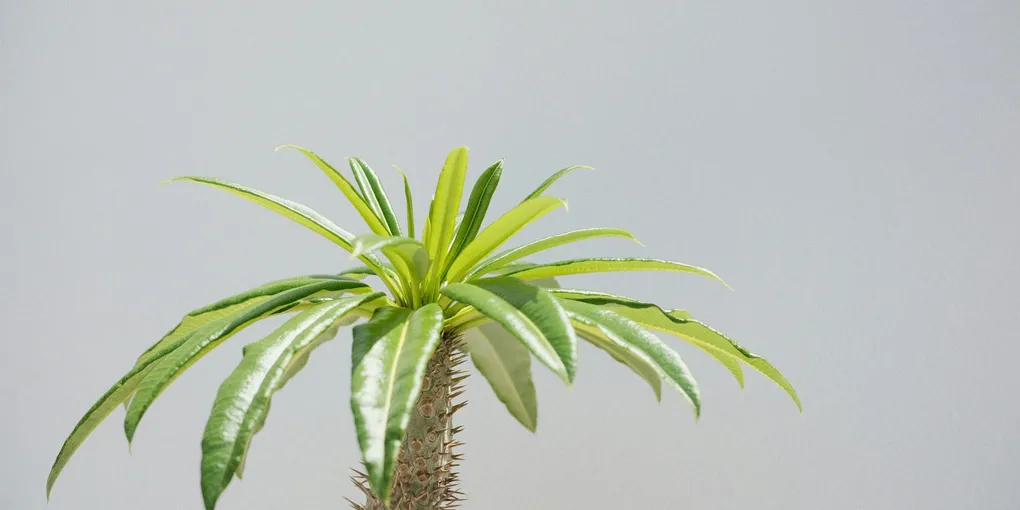
How to Care for a Yucca Cane
Yucca cane (Yucca elephantipes, sometimes sold as Yucca guatemalensis) is built for neglect in the best way. It stores water in its thick, woody stem the way a desert plant would, which means it tolerates the kind of missed waterings that would kill a more delicate houseplant, and its stiff, spiky rosettes of leaves give it a sculptural look that fills a corner without much fuss.
Light
Yucca cane wants bright light, and the more direct sun it gets, the better it tends to do — unlike a lot of common houseplants, this one can handle a south-facing window with hours of direct sun without scorching. In lower light it will survive, but growth slows dramatically and the stem tends to stretch and lean toward the light source instead of growing upright. If your space doesn’t get much natural light, this isn’t the easiest plant to compensate for with a grow light alone — see do you need a grow light for houseplants before committing to a spot that’s genuinely dim.
Watering
Let the soil dry out almost completely before watering again — the cane itself stores enough water that this plant is far more likely to suffer from overwatering than underwatering. In spring and summer, that’s usually once every 2-3 weeks; in fall and winter, stretch it out further, since the plant’s water use drops along with the shorter days. When in doubt, wait longer rather than watering on a fixed schedule. See overwatering vs underwatering houseplants for help telling the two apart if the plant looks off.
Soil and pot
Use a fast-draining mix — a standard potting mix cut with extra perlite or coarse sand works well, similar to what you’d use for a succulent. A pot with a drainage hole is essential here, since this plant’s biggest vulnerability is soil that stays wet around its base. See the best soil mix for houseplants for how to adjust the ratio for a drought-tolerant plant like this one.
Toxicity
Yucca cane is toxic to cats and dogs if ingested, causing vomiting, drooling, and in some cases more serious symptoms. Its stiff, pointed leaf tips are also sharp enough to cause minor injury on contact, so keep it somewhere pets and small children won’t brush against it. See pet-safe houseplants for cats and dogs if you need alternatives.
Common problems
Yellow, mushy leaves near the base, or a soft spot on the stem, are signs of overwatering and possible rot — the single most common way this plant runs into trouble. Cut back on watering immediately and check that the pot drains freely; if the stem itself feels soft, you may need to cut back to firm, healthy tissue to save the plant.
Brown leaf tips are usually just low humidity or a buildup of mineral salts from tap water, and are largely cosmetic on a plant this tough. Trimming the browned tips with clean scissors keeps the look tidy without harming the plant.
A leaning or stretched stem means the plant isn’t getting enough light and is growing toward whatever light source it can find. Rotating the pot every week or two encourages more even growth, but the real fix is moving it somewhere brighter.
Dropped lower leaves as the plant grows is normal, not a problem — yucca cane naturally sheds its oldest, lowest leaves over time as new growth emerges from the top, gradually revealing more of the woody cane underneath. This is part of what gives mature plants their characteristic look rather than a sign anything is wrong.