How to Care for a Hoya Obovata
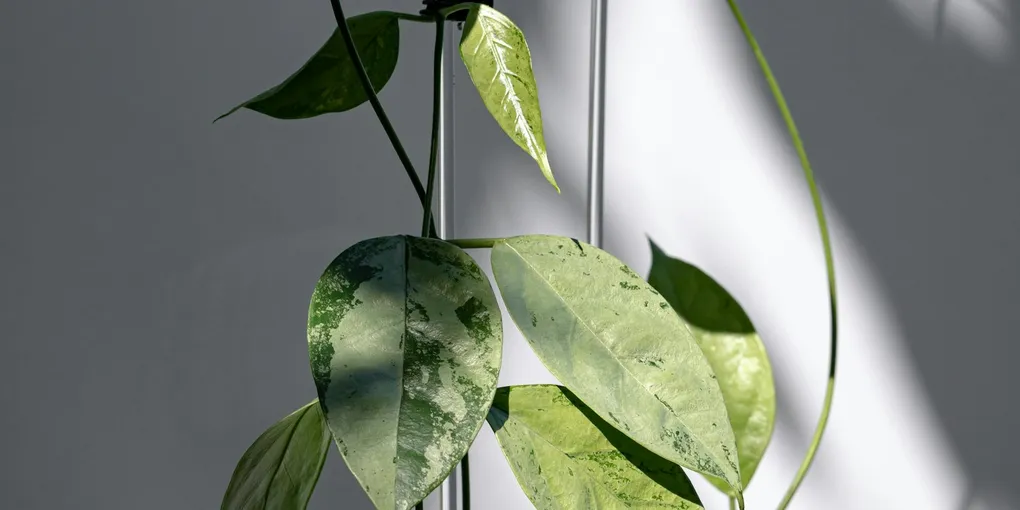
Hoya obovata is known for its thick, rounded, almost coin-shaped leaves — some plants show faint silvery speckling across the surface, though many stay solid green. Compared to thinner-leaved Hoyas, it’s a notably vigorous grower, willing to put out long climbing or trailing vines in a single season once it’s settled in. That combination of easy care and fast growth makes it a good pick if you’ve tried Hoya kerrii and found its slow, single-leaf growth habit frustrating, or if you want something closer to Hoya pubicalyx in vigor but with rounder, plainer leaves. For the shared basics across the genus, see how to care for a hoya.
Light
Bright, indirect light is what this plant wants most. A spot near an east- or west-facing window, or a few feet back from a south-facing one, keeps the leaves full and round and the vines putting out new growth steadily. Hoya obovata tolerates medium light better than many flowering houseplants and will still grow, but leaves tend to space out further apart on the vine and flowering becomes unlikely. Some gentle direct morning sun is fine and can help push it toward blooming, but hot afternoon sun through glass will scorch the leaves.
Watering
Let the soil dry out most of the way before watering again. Hoya obovata is semi-succulent — those thick, round leaves store water, which makes the plant forgiving if you’re a little late watering it, but it’s much less forgiving of soil that stays wet. Overwatering and slow root rot are the most common ways this plant runs into trouble, far more than underwatering. Water thoroughly when the pot feels dry a couple inches down, then let it drain completely. If you’re not sure whether wrinkled or drooping leaves mean too much or too little water, see overwatering vs. underwatering for how to tell them apart.
Soil and pot
Use a chunky, fast-draining mix rather than dense potting soil — a standard potting mix cut generously with orchid bark and perlite works well, and a chunky aroid mix is a fine starting point if you already have one on hand. See best soil mix for houseplants for more on building your own blend. Make sure whatever pot you use has a drainage hole. Hoya obovata also does well a little snug in its container and often grows and flowers better slightly root-bound, so size up gradually rather than jumping to a much larger pot at repotting time.
Humidity
Average household humidity is enough for healthy growth, though this plant fills out a bit faster and produces glossier leaves with extra moisture in the air. It’s fairly adaptable compared to thin-leaved rainforest Hoyas, so you don’t need to chase high humidity numbers — grouping it with other plants or running a humidifier nearby during dry winter months is a helpful bonus rather than a requirement. See how to increase humidity for houseplants for practical options.
Growth habit and climbing support
This is one of the faster-growing Hoyas, and it climbs readily. Give it a moss pole or trellis and the vines will send out aerial roots and climb on their own with a little initial guidance; left in a hanging pot instead, it trails nicely without any support at all. Either way, expect meaningfully more vine length per year than you’d get from a slower species like Hoya kerrii. Once a vine gets long and leggy, you can prune it back to encourage bushier branching, and any cuttings you remove root easily — see how to propagate houseplants from cuttings.
Blooming
Mature plants produce clusters (umbels) of small, star-shaped flowers in shades of pink to red, usually with a sweet fragrance that’s strongest in the evening. Blooming depends on maturity and light more than anything else — a young plant may need a couple of years of steady growth before it flowers at all, and bright light is the biggest lever you can pull to speed that up. Once flowers appear, leave the old flower stalks (peduncles) in place instead of trimming them off; Hoyas rebloom from the same spurs repeatedly, so cutting them delays or prevents future flowers from that spot.
Toxicity
Hoya obovata is considered non-toxic to cats and dogs, making it a solid option if you’re building a collection of pet-safe houseplants.
Common problems
Wrinkled or shriveled leaves mean the plant has gone too long between waterings and is drawing down its stored reserves. A thorough watering should plump the leaves back up within a day or two.
Yellowing leaves that drop almost always point to overwatering — soil staying wet for too long between waterings, or a pot without adequate drainage. Let the mix dry out further before the next watering and confirm excess water is draining freely. See why plant leaves turn yellow for other possible causes.
Long vines with sparse leaves is a normal growth pattern for a vigorous climbing Hoya, not a sign of a problem. Prune back leggy sections if you want a fuller-looking plant, or let it run and climb.
No flowers on an otherwise healthy plant is common in younger specimens or ones grown in lower light. Give it more brightness and time — flowering usually comes once the plant has matured and filled out its pot.
Sticky residue on leaves or nearby surfaces is often just nectar from open flowers, which is harmless. If you don’t see blooms, check leaf undersides and stems for pests like mealybugs — see common houseplant pests for identification and treatment.