Terracotta vs. Plastic vs. Ceramic Pots: Which Is Best for Houseplants?
The best pot material for houseplants isn’t a matter of style — it’s a matter of how fast that material lets soil dry out, and whether that matches how you actually water. Terracotta dries fast. Plastic and glazed ceramic hold moisture. Neither one is “better” in the abstract; one of them is better for your plant and your habits. This is a companion to choosing the right pot size — size determines how much soil volume you’re dealing with, and material determines how quickly that volume dries out.
Terracotta: fast-drying and forgiving of overwatering
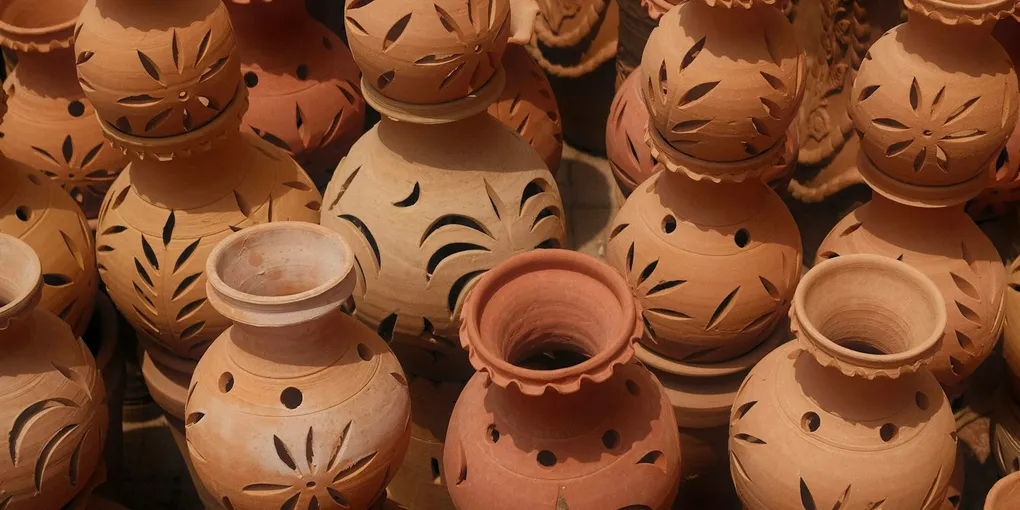
Unglazed terracotta is porous. Water evaporates through the walls of the pot as well as the surface of the soil, so it dries out noticeably faster than plastic or glazed ceramic at the same size. That makes it the safer default for anyone who tends to water on a schedule rather than checking the soil first, and it’s close to essential for plants that rot easily in damp soil — succulents, cacti, snake plants, and other species that store water in their leaves or stems. See how to care for succulents for why these plants specifically need long dry stretches between waterings, something terracotta helps enforce almost automatically.
The tradeoffs are practical, not botanical. Terracotta is heavy, which matters for large plants or anyone moving pots around for light. It’s also brittle — a drop onto a hard floor can crack or shatter it, unlike plastic, which usually just bounces. And because it wicks moisture out through the walls, terracotta needs more frequent watering than the same plant in plastic would, which can be a downside if you’re already prone to underwatering.
Plastic: lightweight and moisture-retentive
Plastic pots are non-porous, so all the drying happens through the soil surface and the drainage hole, not through the walls. That means soil stays evenly moist for longer, which suits plants that sulk or brown at the edges when they dry out too far — ferns, calatheas, and other plants from consistently humid environments. It’s also the practical choice for anyone who forgets to water on schedule, since there’s more of a buffer before the plant notices.
Plastic is cheap, lightweight, and doesn’t crack from a minor bump, which makes it the default nursery pot for a reason. The downside mirrors terracotta’s benefit in reverse: if you tend to overwater, or you’re growing something that wants to dry out between waterings, plastic removes the built-in safety margin terracotta provides. Overwatering vs. underwatering houseplants is worth reading if you’re not sure which mistake you’re more prone to — that answer should drive this decision as much as the plant species does.
Glazed ceramic: decorative, but functionally like plastic
Glazed ceramic looks like terracotta’s more polished cousin, but the glaze seals the clay’s pores, so it behaves like plastic, not like raw terracotta — it holds moisture rather than wicking it away. Don’t assume a plant that wants terracotta’s fast drying will get it just because the pot is clay underneath a glaze.
Ceramic’s other quirk is drainage. A lot of decorative ceramic pots are sold without a drainage hole at all, since they’re designed to be display pieces rather than functional growing containers. Drilling one is possible with the right masonry bit, but if you’d rather not risk cracking an expensive pot, use it as a cachepot instead: keep the plant in its plastic or terracotta nursery pot and set that inside the ceramic one, lifting it out to water and drain before returning it. That gives you the display value of ceramic without the standing-water risk.
Self-watering pots: a different category entirely
Self-watering pots aren’t really a “material” choice — they’re a mechanism, usually built into plastic, that supplies water from a reservoir instead of the top of the soil. They solve a specific problem: consistent moisture for plants that hate drying out, paired with a person who waters irregularly. They’re a poor fit for anything that wants to dry out between waterings. Self-watering pots explained covers how the reservoir system works and which plants actually benefit from one.
Which one should you actually buy
Match the material to two things: how forgetful or attentive a waterer you are, and what the plant naturally wants.
- You water on a strict schedule and tend to overdo it, or you’re growing succulents, cacti, snake plants, or other drought-tolerant plants — go terracotta. The porous walls add a margin of error that plastic doesn’t.
- You forget to water for stretches, or you’re growing ferns, calatheas, peace lilies, or other plants that want consistent moisture — go plastic, or consider a self-watering pot if the problem is chronic.
- You want a specific decorative look and you’re willing to either drill a hole or use it as a cachepot — glazed ceramic works, but budget for the drainage workaround.
None of this overrides pot size. A large terracotta pot still holds enough soil volume to stay damp at the center regardless of how porous the walls are — material adjusts the drying rate around whatever size you’ve already chosen, it doesn’t fix a size that’s wrong for the plant.