How to Care for a Shrimp Plant
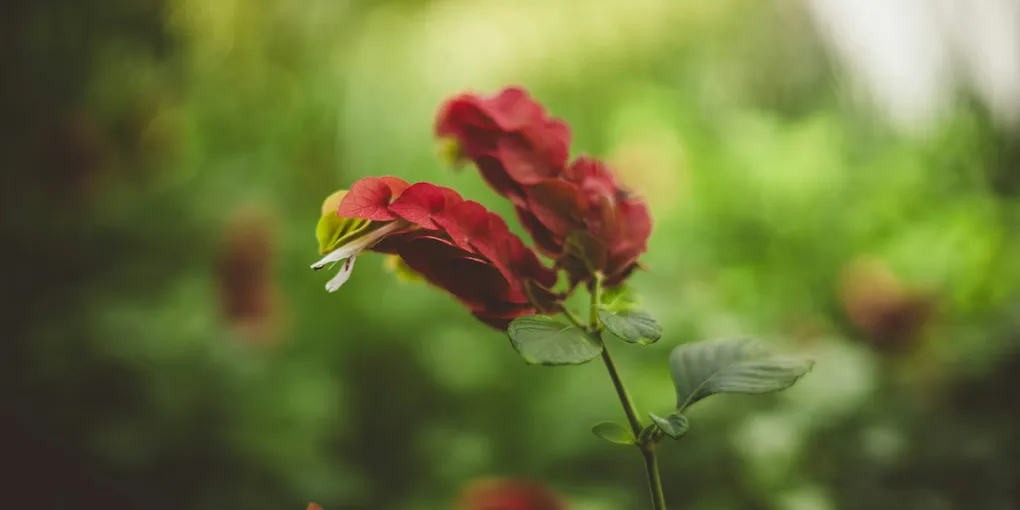
Shrimp plant (Justicia brandegeeana) gets its name from the overlapping, curved bracts that stack up like a shrimp’s shell — usually rusty orange-red, sometimes yellow, with small white flowers poking out from between them. It’s an easy, tolerant plant that blooms on and off almost year-round when it’s happy, and it’s forgiving enough for beginners as long as you get the light right.
Light
Bright light is what drives blooming, full stop. Shrimp plant wants several hours of direct sun a day — an east- or south-facing window indoors, or a spot with morning sun and some afternoon shade outdoors. In lower light it will survive and stay green, but bract production drops off sharply or stops altogether. If your plant looks fine but hasn’t flowered in months, light is almost always the reason. See how much light do houseplants need for how to judge what a given window actually provides.
Watering
Water when the top inch or so of soil has dried out, then soak thoroughly until water runs from the drainage hole. Shrimp plant likes consistent moisture during active growth and blooming and will droop noticeably when it gets too dry, but it also doesn’t want to sit in soggy soil — root rot sets in quickly if the pot doesn’t drain. It’s more forgiving of an occasional missed watering than of soil that stays wet for days at a time. For a feel-based method instead of a fixed schedule, see watering houseplants the right way.
Soil and pot
A standard well-draining potting mix works fine. Cutting it with some perlite helps if your mix tends to hold water, since good drainage matters more here than any specific soil recipe. Always use a pot with a drainage hole. Shrimp plant grows fairly fast and can get rootbound in a year or two — if growth slows and water runs straight through the pot without the soil absorbing much, it’s time to size up.
Humidity
Average indoor humidity is fine for shrimp plant; it isn’t fussy about the air the way a fern or calathea is. Very dry air, especially from winter heating, can cause some leaf edge crisping, but it’s a minor issue compared to light and watering. A pebble tray or occasional misting is enough if you notice it.
Pruning
Shrimp plant gets leggy and sparse fast, especially in lower light, and regular pruning is what keeps it full instead of straggly. Pinch growing tips throughout the growing season to encourage branching, and don’t hesitate to cut stems back by a third after a big bloom flush — this is what pushes out the side shoots that eventually flower themselves. A hard cutback in early spring, taking the whole plant down by a third to a half, works well if it’s gotten woody and thin over winter; it recovers quickly and rewards you with denser growth and more blooms. See how to prune houseplants for technique, and how to fix a leggy houseplant if yours has already stretched out with bare lower stems. Cuttings from a pruning session root readily in water or moist soil, so a cutback doubles as free propagation material.
If you’re growing shrimp plant outdoors for the warm months, it takes full sun better outside than most houseplants tolerate indoors — see moving houseplants outdoors for summer for how to transition it without scorching the leaves.
Toxicity
Shrimp plant is considered non-toxic to cats and dogs, which makes it a reasonably safe choice if you have pets that like to chew on greenery. It’s still worth keeping any plant out of easy reach just to discourage the habit, but this isn’t one you need to worry about if a curious pet takes a bite. For more options, browse pet-safe houseplants for cats and dogs.
Common problems
No blooms, or blooms that stopped almost always comes down to insufficient light. Move the plant to the brightest spot you have with direct sun for at least part of the day.
Leggy, sparse growth with bare lower stems happens when the plant isn’t getting pinched or cut back regularly, and it’s made worse by low light. Prune it back and increase light going forward; it responds quickly with fuller new growth.
Drooping leaves that bounce back after watering is a thirst signal, not a sign of damage. It’s a reliable cue that the plant is ready for water, but try not to let it wilt this way too often — consistent moisture keeps blooming steady.
Yellowing leaves and soggy soil point to overwatering or a pot that isn’t draining. Let the soil dry out more between waterings and confirm the pot has a working drainage hole.
Bract color fading or coming in pale usually means the plant needs more light, similar to a stall in blooming — it’s the same underlying cause, just showing up as weaker color instead of no flowers at all.