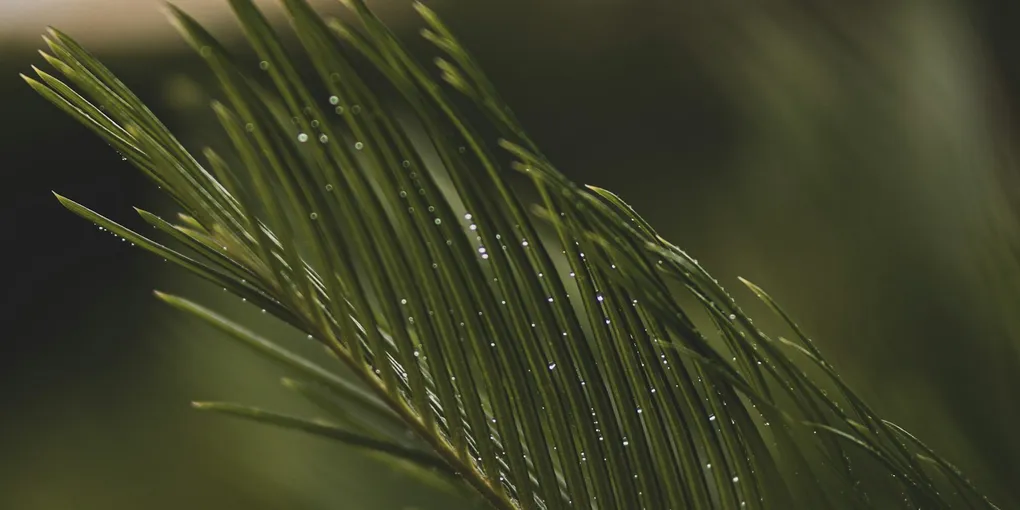
How to Care for a Sago Palm
Sago palm, botanically Cycas revoluta, isn’t a true palm — it’s a cycad, a much older group of plants that predates flowering plants entirely. That ancient lineage shows in how it grows: slowly, deliberately, and with a rigid, symmetrical structure of stiff, feathery fronds radiating from a central woody base. Before anything else about its care, know this: sago palm is extremely toxic, and that fact should shape whether and where you keep one at all. See the Toxicity section below before bringing one home.
Growth habits — set your expectations early
Sago palm is one of the slowest-growing houseplants you can own. A mature plant typically produces just one new flush of fronds per year, all emerging together over a few weeks and then hardening off, after which the plant does essentially nothing visible until the next flush the following year. This is completely normal — don’t mistake dormancy for a struggling plant, and don’t fertilize or water more heavily trying to force new growth outside its natural cycle.
Light
Give it bright light, ideally with some direct sun. Outdoors, established sago palms tolerate full sun; indoors, the brightest spot you have — a south- or west-facing window — is best. In lower light the plant will still survive given its slow metabolism, but fronds tend to grow longer and more sparse as they stretch toward the light source.
Watering
This is where most sago palm problems start. Let the soil dry out substantially between waterings — sago palms store water and nutrients in their thick, partly-underground caudex (stem base) and are far more drought-tolerant than they look. Overwatering, especially in a pot without good drainage, is the fastest way to kill one through root and caudex rot. When in doubt, wait longer before watering again; see how to identify and fix root rot if you suspect you’ve already overdone it.
Soil and pot
Use a fast-draining mix — a cactus or palm blend, or a standard potting mix cut generously with perlite or coarse sand. Always use a pot with a drainage hole; sago palms are especially unforgiving of standing water around the caudex. Because growth is so slow, they don’t need frequent repotting — every few years, sizing up only modestly, is usually enough. See how to choose the right pot size for houseplants for general sizing guidance.
Humidity
Average indoor humidity is fine. Sago palms tolerate dry air well and don’t need misting, a humidifier, or a pebble tray to stay healthy.
Toxicity — read this before you buy one
Every part of the sago palm is toxic, to both pets and people, and this is not a mild irritant like many houseplants on this site — it is one of the most dangerous common houseplants sold in the United States. The seeds contain the highest concentration of the toxin cycasin, but the fronds, stem, and roots are all toxic as well. In dogs, ingestion can cause vomiting, diarrhea, liver failure, seizures, and death, sometimes from a very small amount of plant material — the ASPCA and veterinary toxicology sources list sago palm among the plants most likely to be fatal to dogs. Cats and other pets are also at serious risk, and ingestion by children requires immediate medical attention.
If you have dogs, cats, small children, or any animal that chews on plants or digs in soil, the safest choice is not to keep a sago palm at all. If you already have one and share a household with pets or kids, keep it fully inaccessible — not just out of reach on a shelf, since dropped fronds and fallen seeds are just as dangerous as the growing plant. If you suspect a pet has chewed on or swallowed any part of a sago palm, treat it as an emergency and contact a veterinarian or animal poison control immediately. For non-toxic alternatives that still deliver an architectural, palm-like look, see how to care for a parlor palm or browse pet-safe houseplants for cats and dogs.
Common problems
Soft, mushy, or foul-smelling caudex is a sign of rot from overwatering or poor drainage — often fatal once it reaches the base of the plant. Prevention through disciplined watering is far more reliable than trying to save a plant after rot has set in.
No new fronds for what feels like a long time is very often just the plant’s normal annual cycle rather than a problem — sago palms flush once a year and otherwise sit still. Check that light, watering, and season all seem reasonable before assuming something is wrong.
Yellowing older fronds at the base in small numbers is normal aging. Widespread yellowing across an entire flush more often points to overwatering, poor light, or a nutrient deficiency.
Small brown or tan bumps along fronds or the caudex are usually scale insects, a pest sago palms are particularly prone to. See how to get rid of scale insects on houseplants for treatment steps.