How to Care for a Poinsettia
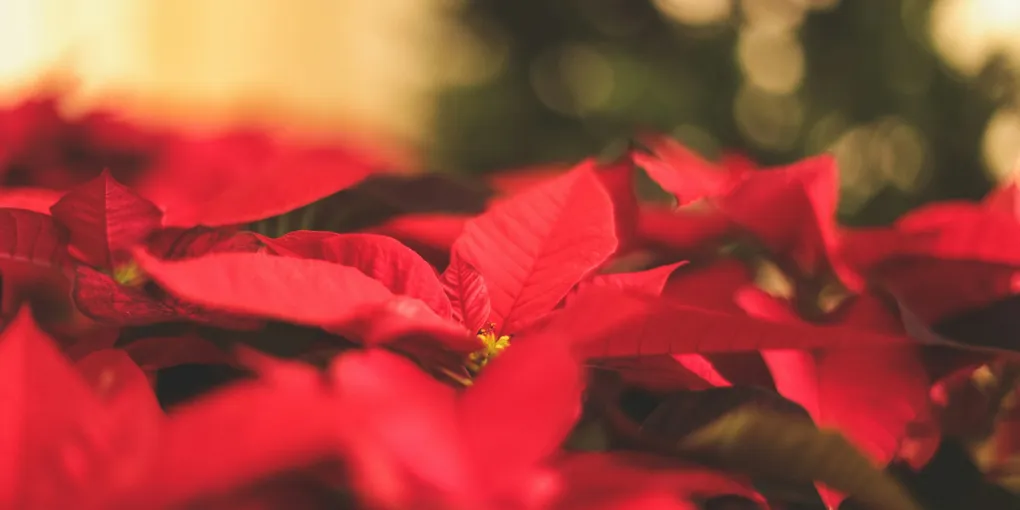
Poinsettia (Euphorbia pulcherrima) shows up everywhere around the holidays and gets treated like a disposable decoration, but it’s actually a woody shrub that, in its native Mexico, grows several feet tall and lives for years. The red, pink, or white parts that look like petals are actually bracts — modified leaves — and the plant only produces them under a specific light cycle. That’s also the reason a poinsettia won’t rebloom on its own the following winter unless you manage its light exposure deliberately. The plant itself is easygoing; it’s mostly a matter of knowing what it needs and not panicking over the sap.
Light
Poinsettias want bright, indirect light for most of the year — a spot near an east- or south-facing window works well. Direct, intense afternoon sun can scorch the leaves, so filter it with a sheer curtain if that’s the only exposure you have. If your home runs dim in winter, see how much light do houseplants need to gauge whether your spot is bright enough; a weak spot will cause leaf drop and dull color even outside of the reblooming season.
Watering
Water when the top inch of soil feels dry, then water thoroughly until it drains from the bottom of the pot — don’t let the pot sit in a saucer of standing water. Poinsettias are sensitive to both extremes: soil that dries out completely causes sudden, dramatic wilting and leaf drop, while soil that stays soggy leads to root rot. For the general method of judging by feel instead of a fixed schedule, see watering houseplants the right way. Growth and water use slow down after the holiday bloom fades, so ease off through late winter.
Soil and pot
A standard, well-draining potting mix is fine — poinsettias aren’t fussy about soil composition, just drainage. Keep the plant in a pot with a drainage hole; the foil wrapping many poinsettias are sold in traps water against the roots, so either poke holes in it or, better, remove it and set the nursery pot inside a cachepot you can lift out to water.
Humidity
Average household humidity is fine for a poinsettia — it doesn’t need misting or a humidifier to stay healthy. What it does mind is temperature swings: keep it away from cold drafts, heating vents, and doors that open to the outside, since sudden temperature changes cause leaf and bract drop faster than low humidity does.
Toxicity
Poinsettia’s toxic reputation is overblown. The sap is a mild irritant, and if a cat, dog, or person chews on the leaves or bracts, it typically causes drooling, mild stomach upset, or mouth irritation — not the severe poisoning the plant is often rumored to cause. The bigger practical concern is the milky white latex sap itself, which can irritate skin and eyes on contact, especially if you’re pruning or breaking stems. Wear gloves when handling cut stems and wash your hands afterward. If you’d rather sidestep the question entirely, browse pet-safe houseplants for cats and dogs for alternatives with no irritant sap.
Getting it to rebloom
The colorful bracts form in response to photoperiod — poinsettias need roughly eight to ten weeks of long, uninterrupted nights to trigger reblooming, which is why they naturally color up in time for the holidays as days shorten. To repeat that indoors, starting in early October, give the plant about 14-16 hours of complete darkness each night — a closet or a box works, as does simply moving it to a room you don’t turn any lights on in — followed by 8-10 hours of bright light during the day. Keep this up daily for about eight weeks; even a little stray light at night (a hallway lamp, a streetlight) can interrupt the cycle and delay or prevent reblooming. Keep watering and feeding normally through this period. Once the bracts start showing color, you can drop the dark treatment and just give the plant normal bright light again.
Common problems
Leaves and bracts dropping is usually a stress response to cold drafts, a sudden move, or letting the soil dry out completely. Check watering first, then make sure the plant isn’t near a door, window draft, or heat vent.
Bracts fading or turning green after a few months is normal — the colored bracts aren’t permanent and will eventually revert to green once the plant shifts back into regular growth. This isn’t a sign you’re doing anything wrong.
Yellow leaves lower on the plant usually point to overwatering. Let the soil dry out more between waterings and confirm the pot actually drains; see why are my houseplants’ leaves turning brown if the yellowing progresses to browning or crisping.
Leggy, sparse growth develops over the year as the plant keeps growing after its bloom fades. Pruning it back by a third or so in spring, once new growth starts, keeps it compact and encourages the branching that produces more bracts at the next reblooming.