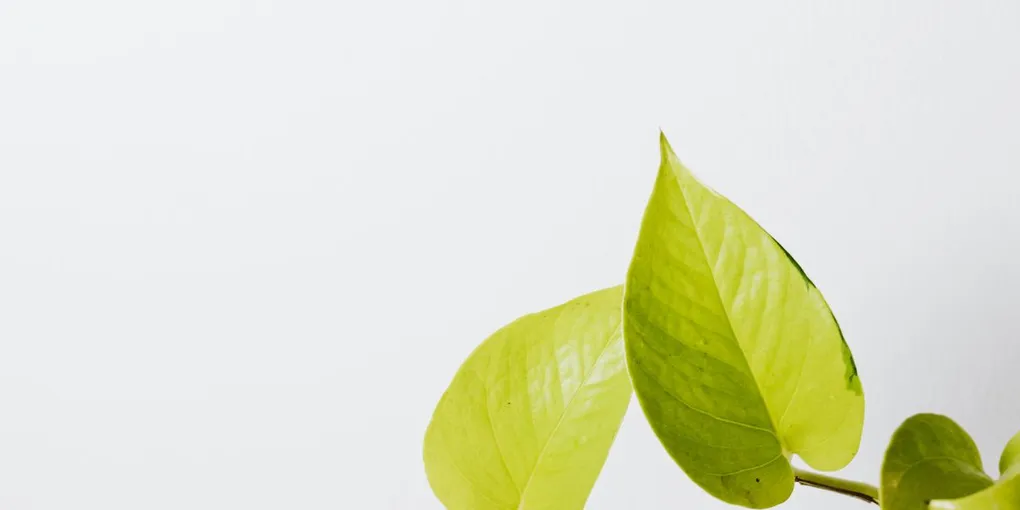
How to Care for a Neon Pothos
Neon pothos (Epipremnum aureum ‘Neon’) is a pothos cultivar grown for one thing: solid, saturated chartreuse-yellow-green leaves with no variegation at all, unlike the marbled or speckled patterning on golden or satin pothos. Most of its care is identical to any other pothos — the part that actually needs attention is keeping that neon color from fading.
Light
Bright, indirect light is what keeps neon pothos looking the way it’s named. In good light, new leaves come in a vivid, almost glowing yellow-green. In lower light, the plant still survives — pothos is famously tolerant — but new growth shifts toward a duller, more ordinary green, which somewhat defeats the point of growing this particular cultivar over a regular one. If your plant has lost its glow, moving it closer to a bright window is the fix, not fertilizer. See how much light do houseplants need if you’re unsure what your space actually provides.
Watering
Let the top 1-2 inches of soil dry out before watering again, the same routine as any pothos. It’s very forgiving of a missed watering or two — the leaves droop noticeably when thirsty, which is your cue to water, and they perk back up within hours of a good soak. It’s much less tolerant of the opposite: soil that stays wet invites root rot, so err on the side of underwatering rather than over.
Soil and pot
A standard, well-draining potting mix works fine — neon pothos isn’t picky about soil composition. What matters more is a pot with a drainage hole, so excess water doesn’t sit around the roots and cause rot.
Propagation
Neon pothos propagates just as easily as any other pothos. Snip a stem cutting just below a node and drop it in a glass of water — roots typically show up within a couple of weeks. From there you can pot it up or leave it growing in water indefinitely. For the full method, see how to propagate houseplants from cuttings.
Toxicity
Like other pothos varieties, neon pothos is mildly toxic to cats and dogs if chewed, causing oral irritation and stomach upset. Keep it out of reach of curious pets, or see pet-safe houseplants for cats and dogs for alternatives.
Common problems
New leaves coming in darker, plain green instead of neon yellow is the most common complaint with this cultivar, and it almost always comes down to insufficient light. Move the plant closer to a bright window — existing dark leaves won’t change color, but new growth should come in brighter once light improves.
Yellowing leaves usually point to overwatering rather than a light problem — soil that’s staying wet between waterings rather than drying out. Cut back on frequency and confirm the pot actually drains.
Legginess and sparse, widely-spaced leaves share the same root cause as color fading: not enough light. The plant stretches out looking for a brighter spot instead of growing full and compact. Moving it brighter helps going forward, and trimming back existing leggy vines encourages bushier regrowth.