How to Care for a Satin Pothos
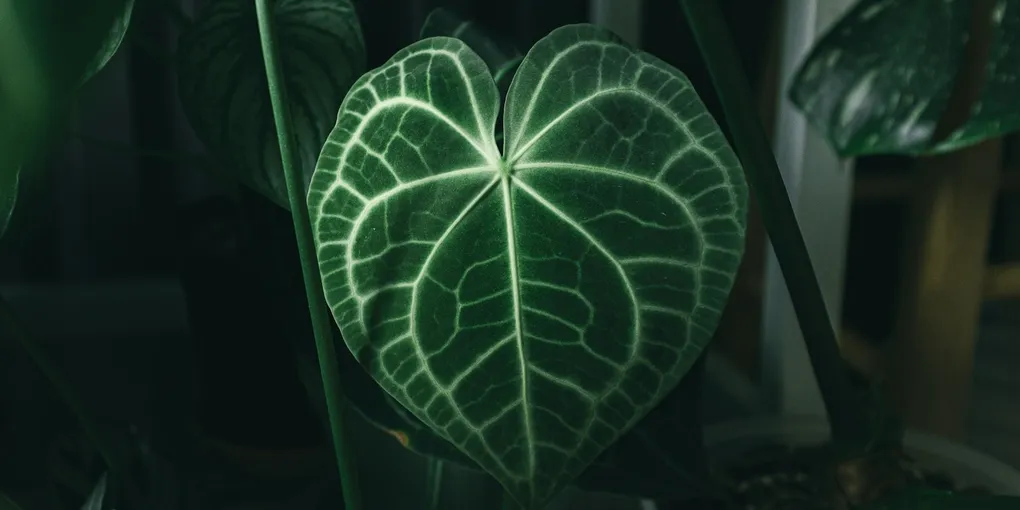
Satin pothos (Scindapsus pictus) gets its name from the velvety texture of its heart-shaped leaves, which are a deep green splashed with silvery-gray patches that seem to shift and shimmer as the light hits them. Despite the name and the family resemblance, it’s not actually a pothos at all — it’s a different genus entirely, and that mix-up is worth clearing up before getting into care, since it explains why this plant behaves a little differently than the one it’s usually confused with.
Not the same plant as true pothos
True pothos (Epipremnum aureum) and satin pothos (Scindapsus pictus) look similar and get sold under overlapping names, but they’re different genera. See how to care for a pothos if you’re not sure which one you actually have — true pothos has smoother, often more brightly variegated leaves, while satin pothos has that distinctive velvety texture and silver-splashed pattern. The care overlaps a lot, but satin pothos is a bit slower-growing, a little less tolerant of overwatering, and generally fussier about humidity than its famously indestructible look-alike.
Light
Bright, indirect light keeps the silver variegation prominent and the leaves compact. In lower light, satin pothos survives but new leaves tend to grow smaller, more solid green, and less patterned — the same fading response true pothos shows in dim spots. It’s more shade-tolerant than many houseplants, but don’t expect much silvering without decent indirect light. Some direct morning sun is fine; strong afternoon sun can scorch the leaves.
Watering
Let the top 1-2 inches of soil dry out before watering again. Satin pothos is less forgiving of consistently wet soil than true pothos — its velvety leaves are also more prone to developing soft, discolored spots if they stay damp or get splashed and don’t dry off. Water thoroughly, then let the pot drain fully rather than letting it sit in standing water.
Soil and pot
A standard, well-draining potting mix works well, in a pot with a drainage hole. Drainage matters more here than exact soil composition — this plant’s roots don’t tolerate sitting in soggy mix for long.
Humidity
Satin pothos appreciates above-average humidity more than true pothos does, and does best somewhere in the 50%+ range if you can manage it, though it tolerates typical home humidity reasonably well once established. Consistently dry air tends to show up as crispy leaf edges before it causes any serious damage.
Propagation
Propagate the same way as true pothos: snip a stem cutting just below a node, root it in water or moist soil, and pot it up once roots have developed. See how to propagate houseplants from cuttings for the full method — it applies directly here.
Toxicity
Satin pothos is mildly toxic to cats and dogs if chewed, causing oral irritation and stomach upset, similar to true pothos. Keep it out of reach of curious pets, or see pet-safe houseplants for cats and dogs for alternatives.
Common problems
Brown, crispy patches or edges usually point to low humidity or inconsistent watering rather than any single cause — this plant shows stress from dry air more visibly than true pothos does.
Fading silver variegation on new leaves means the plant isn’t getting enough light. Move it somewhere brighter; the pattern should return in new growth.
Slower growth than you’d expect from a “pothos” is often just this plant’s normal pace rather than a problem — satin pothos fills in more slowly than true pothos even under good conditions, so don’t assume something’s wrong just because it isn’t growing as fast as an Epipremnum vine would.
Soft, discolored spots on leaves or mushy stems point to overwatering or water sitting on the velvety foliage. Cut back on watering frequency, avoid wetting the leaves when you water, and check that the pot drains properly.