How to Care for a Ficus Audrey
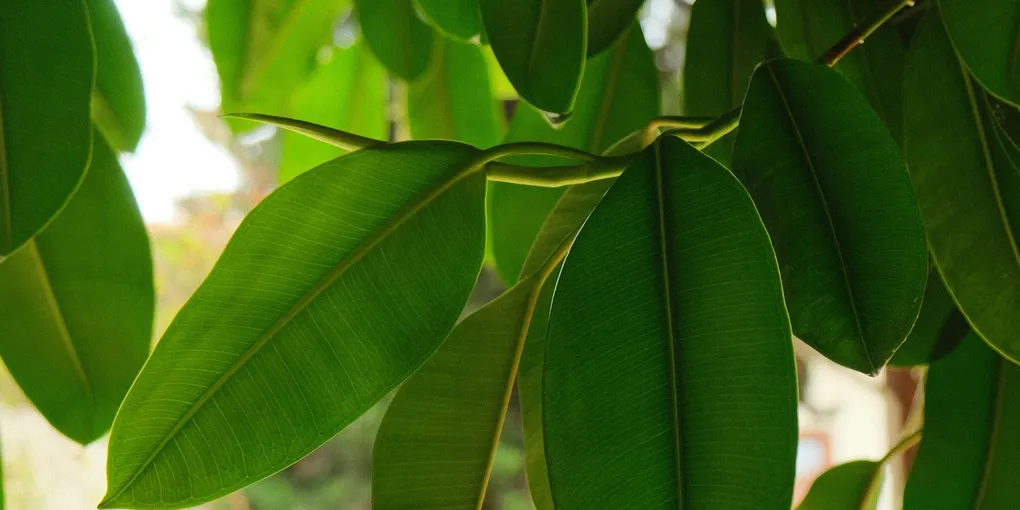
Ficus Audrey is the common name for Ficus benghalensis, the Indian banyan tree, sold as a houseplant. It gets lumped in with the fiddle leaf fig a lot, since both are upright ficus trees with big glossy leaves, but Audrey is the more forgiving of the two. Its leaves are smaller, more oval, and have a distinctive fuzzy texture on the underside and along young growth — a quick way to tell the two apart at a nursery.
Light
Give it the brightest spot you have. A spot near an unobstructed south- or west-facing window is ideal; east-facing works if the plant sits close to the glass. Like most ficus trees, Audrey stretches and thins out fast in low light, and new leaves will come in smaller and duller. If natural light is limited, see do you need a grow light for houseplants before assuming the plant itself is the problem.
Watering
Water when the top 1-2 inches of soil have dried out, then water thoroughly until it runs from the drainage hole. Ficus Audrey doesn’t want to sit in soggy soil, but it also doesn’t like going bone dry for extended stretches — consistency matters more than any exact schedule. Check the soil by hand rather than watering on a fixed calendar; see watering houseplants the right way for the general method if you’re new to judging soil moisture.
Soil and pot
A standard well-draining potting mix works fine. What matters more is the pot: choose one with a drainage hole, sized only slightly larger than the current root ball. An oversized pot holds excess moisture far longer than the roots can use, which is a common way ficus owners end up with root problems. See how to choose the right pot size for houseplants if you’re repotting a nursery plant into something more permanent.
Humidity
Average home humidity is fine for an established Ficus Audrey. It’s more tolerant of dry indoor air than many tropical houseplants, so you generally don’t need a humidifier or pebble tray unless your home runs very dry in winter.
Stability matters more than most plants
This is the single biggest thing to know about Ficus Audrey: it hates change. Moving it to a new room, rotating it, a draft from a door or vent, or even a sudden shift in light levels can trigger leaf drop, even when nothing about your care routine changed. Pick a good spot and leave the plant there. If you need to relocate it, do it once and then leave it alone for several weeks to adjust rather than repeatedly repositioning it while you wait to see results.
Toxicity
Ficus Audrey contains a milky latex sap that’s mildly toxic and irritating to skin, eyes, and the mouth if chewed — this is true of ficus trees generally. Keep it away from pets and kids who chew on leaves, and wash your hands after pruning or handling a cut stem. See pet-safe houseplants for cats and dogs if you need a plant that’s fully non-toxic instead.
Common problems
Sudden leaf drop after moving or repotting the plant is a stress response, not a sign of disease. Keep the plant in a stable spot with consistent light and watering, and resist the urge to move it again while it recovers — new leaves should follow within a few weeks.
Brown, crispy leaf edges usually point to underwatering, low humidity in a hot dry room, or water quality issues. Check that you’re watering thoroughly and not just wetting the surface before looking at humidity or tap water as the cause.
Yellowing lower leaves in small numbers is normal as the plant sheds old growth. If it’s widespread and sudden, check for overwatering first, since soggy soil is a more common cause than underwatering.
Small, sticky patches on leaves or stems, especially near new growth, suggest a pest like scale or mealybugs, both of which are treatable if caught early.