How to Care for a Euphorbia Trigona (African Milk Tree)
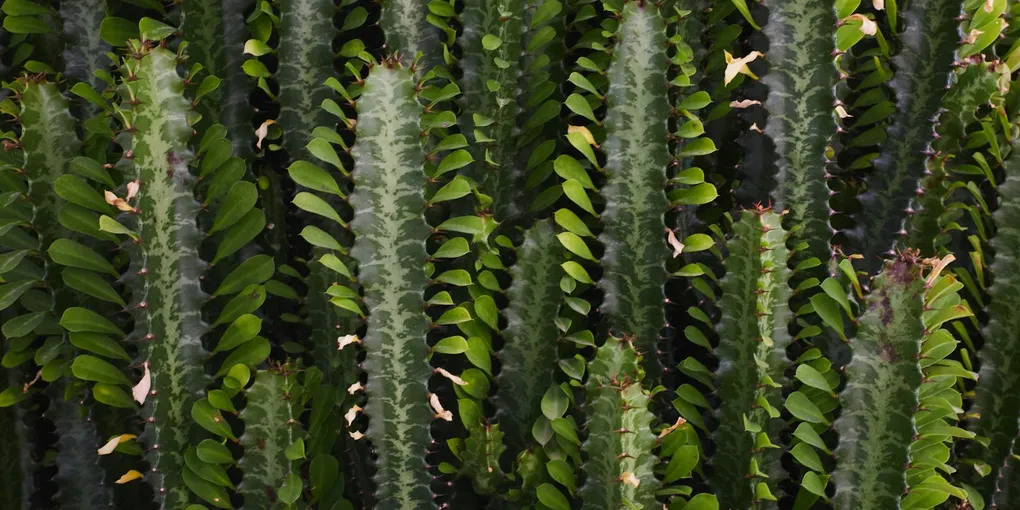
Euphorbia trigona, commonly called African milk tree, is a fast-growing, columnar succulent with tall, upright stems marked by three distinct ridges running their length. Small, thin leaves sprout along those ridges and drop on their own as the plant matures, leaving bare, cactus-like stems behind. Despite the look, it isn’t a true cactus at all — it’s a Euphorbia, and that distinction matters for how you handle it, not just how you water it.
A safety note before you start
Every part of this plant contains a milky white latex sap that oozes out the moment a stem or leaf is cut or broken. That sap is a significant skin and eye irritant — it can cause burning, rashes, and blistering on contact, and it’s genuinely dangerous if it gets in your eyes. Always wear gloves and, ideally, eye protection when pruning, repotting, or propagating this plant, and wash any exposed skin immediately if you get sap on it. Keep it away from cutting boards, and don’t touch your face while working with it. This is the single biggest thing that sets Euphorbia trigona apart from care of an actual cactus, and it’s worth taking seriously every time, not just the first time.
Light
Give it as much bright light as you can — a south- or west-facing window is ideal, with several hours of direct sun. Insufficient light is the main reason these plants get thin, pale, or start leaning hard toward a window instead of growing upright and full. Outdoors in summer, it can handle full sun once acclimated gradually, but ease it into direct exposure rather than moving it outside all at once.
Watering
Treat it like a cactus: let the soil dry out completely between waterings, then water thoroughly. During active growth in spring and summer, that might mean watering every one to two weeks; in winter, when growth slows, cut back to once a month or less. The thick, ridged stems store water, which is exactly what lets this plant tolerate long dry stretches and makes overwatering the far bigger risk than underwatering. See how to care for succulents for the general watering rhythm this plant follows, and how to fertilize succulents and cacti for feeding guidance during the growing season.
Soil and pot
Use a fast-draining cactus or succulent mix, or amend a standard potting mix heavily with perlite or pumice. A pot with a drainage hole is non-negotiable — this plant’s thick stems hold enough water on their own that soggy, slow-draining soil is a fast route to stem rot. Because these plants can eventually grow tall and top-heavy, a wider, heavier pot helps keep them from tipping over as they mature.
Humidity
Ordinary indoor humidity is fine. This plant comes from arid regions of Central Africa and doesn’t need — or particularly want — any extra humidity. Focus your effort on light and watering instead.
Toxicity
Beyond the sap’s skin and eye irritation, Euphorbia trigona is toxic to cats and dogs if chewed or ingested, and can cause mouth and stomach irritation, drooling, and vomiting. Keep it well out of reach of curious pets, and consider its height and the sturdiness of its pot if you have a cat prone to climbing.
Common problems
Stems turning soft, black, or mushy at the base point to overwatering or root rot. Pull the plant, trim away any affected tissue with gloves on, let the wound callus over for a day or two, and repot into fresh, dry mix.
Thin, stretched, pale-green growth leaning toward the window is a light problem. Move it somewhere brighter; a stretched Euphorbia trigona generally won’t fill back in on its own, though new growth from a brighter spot will look normal going forward.
Dropped leaves along the lower stem are usually nothing to worry about — mature stems naturally shed their small leaves as they age, leaving the smooth, ridged stem behind. This is normal aging, not a sign of stress, as long as the stems themselves stay firm.
White, cottony clusters in the ridges are typically mealybugs. Dab them with a cotton swab dipped in rubbing alcohol, wearing gloves since you’ll likely disturb the sap in the process.
A toppled or leaning plant is common once these grow tall, since the root system can stay fairly small relative to the height of the stems. Staking it or moving it into a heavier pot before it gets top-heavy is easier than fixing it after a fall.
If you already grow other latex-sap succulents, the care overlaps closely with two close relatives: crown of thorns, which shares the same irritating sap and cactus-like drought tolerance, and pencil cactus, another leafless Euphorbia that needs nearly identical light and watering.