How to Care for a Corn Plant
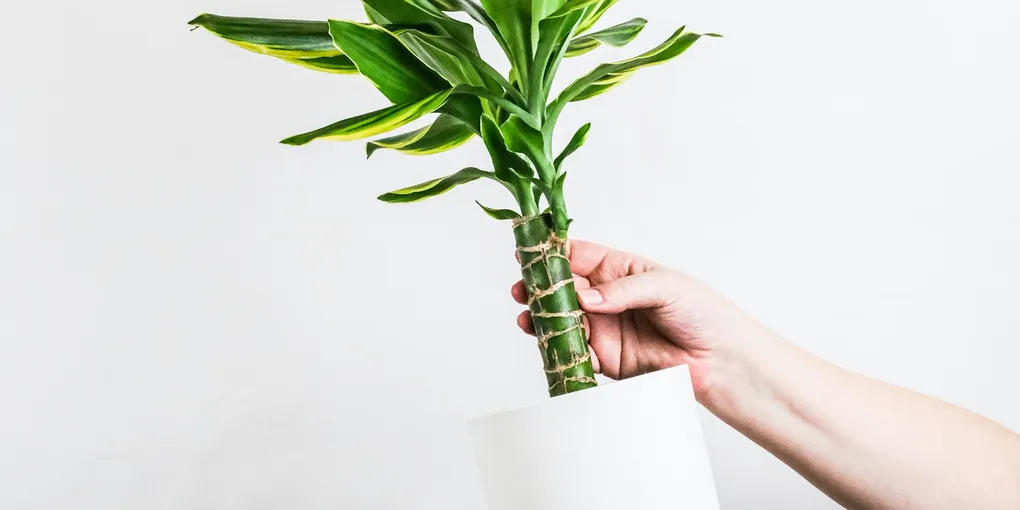
The Corn Plant (Dracaena fragrans) gets its common name from its broad, strappy leaves that emerge from a thick cane in a rosette, closely resembling the leaves of a corn stalk — especially in striped cultivars like ‘Massangeana,’ which has a yellow-green band running down the center of each leaf. It’s a distinct species from Dracaena marginata, which has much thinner, grass-like leaves, though the two are commonly confused since they’re both sold under the general Dracaena name. Corn Plant has long been one of the most common office and home plants around precisely because it tolerates low light and irregular care better than most.
Light
Corn Plant tolerates low to medium light well, making it a reliable choice for offices and rooms without much natural light. That said, it grows fuller and faster in bright, indirect light. Direct sun can scorch the leaves, especially on variegated cultivars, so keep it a few feet back from a south- or west-facing window if that’s your only bright spot.
Watering
Let the top 1-2 inches of soil dry out before watering thoroughly, and let the pot drain completely. This plant is fairly forgiving of missed waterings but doesn’t tolerate sitting in soggy soil, which leads to root rot over time. It’s also sensitive to fluoride, which can cause brown leaf-tip burn — using filtered or distilled water helps if you notice this. See watering houseplants the right way for a feel-based approach.
Soil and pot
A standard, well-draining potting mix works fine — this plant isn’t picky about soil composition the way many tropical aroids are. Make sure the pot has a drainage hole, and avoid sizing up too aggressively when repotting, since Corn Plant prefers being slightly root-bound to a large pot with excess soil that stays wet too long.
Humidity
Average household humidity is fine for this plant; it doesn’t need the boost that many tropical houseplants require. If leaf tips brown consistently, it’s more likely due to fluoride in tap water or inconsistent watering than low humidity.
Toxicity
Corn Plant is toxic to cats and dogs. Like other Dracaenas, it contains saponins that can cause vomiting, drooling, and loss of appetite if chewed or ingested, so keep it away from pets that like to nibble leaves.
Common problems
Brown, crispy leaf tips are common on this species and usually come from fluoride in tap water rather than underwatering. Switching to filtered or distilled water often resolves it. See best water for houseplants for more.
Yellowing lower leaves in small numbers are normal as the plant naturally sheds its oldest leaves over time. Widespread yellowing points to overwatering — let the soil dry out further and confirm the pot drains freely.
Soft, mushy stem near the base signals root rot from soil staying wet too long. Check the roots and repot into fresh, well-draining soil, trimming away any soft or discolored sections.
Leggy growth with leaves clustered only at the top of a tall cane is a natural growth pattern for mature Corn Plants and isn’t a problem — if you want a fuller look, you can cut the cane back and it will typically resprout below the cut. See how to prune houseplants for more.