Why Are My Houseplant's Leaves Curling?
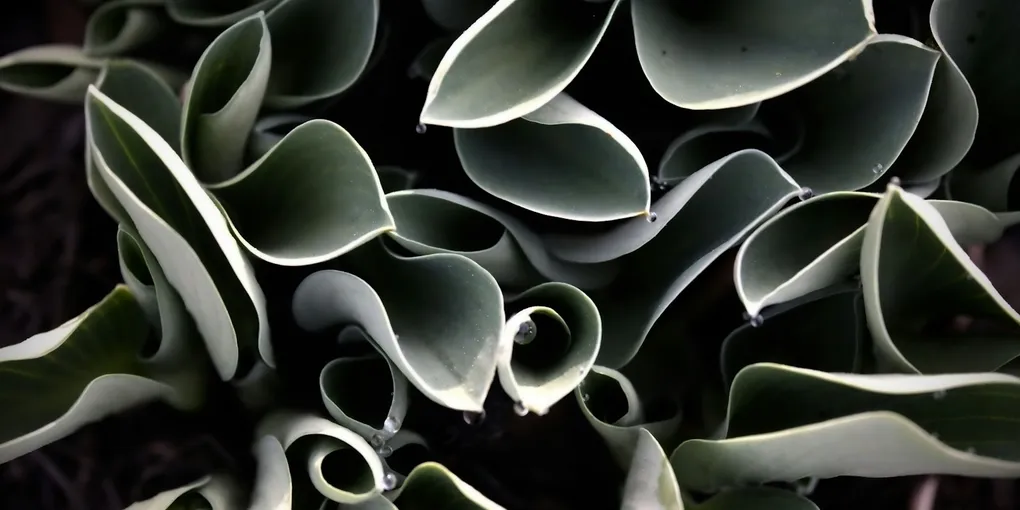
Curling is different from yellowing or browning — it’s about shape, not color. A leaf can curl while still looking perfectly green, which is why it’s easy to miss until it’s gotten worse. The direction it curls, and what else is going on with the plant, tells you which cause you’re dealing with.
Underwatering
This is the most common cause of curling by far. When a plant can’t pull up enough water, it curls its leaves inward or downward — sometimes rolling them almost into a tube — to shrink the surface area exposed to air and cut its own water loss.
Check the soil: if it’s dry well below the surface, has pulled away from the pot’s sides, or the pot feels unusually light, underwatering is the likely cause. Leaves may feel soft at first, though prolonged underwatering adds crispy, brittle edges on top of the curling.
Fix: water thoroughly until it runs from the drainage holes. Curled leaves from underwatering usually relax back out within a day of a good soak. If this keeps happening on a predictable cycle, you’re waiting too long between waterings — see our guide to watering houseplants the right way for how to check soil moisture instead of guessing on a schedule.
Too much direct light or heat
Leaves curl and cup upward or inward to reduce the surface area facing the sun — intense light and heat dry a plant out faster than its roots can keep up, even when the soil isn’t bone dry. This shows up fastest on shade-adapted plants like calatheas, prayer plants, and ferns, which will cup or fold within hours of direct sun exposure.
Look at timing and location: if curling started after a move or the sun angle changed with the season, and it’s worst on the side facing the window, light or heat is the cause rather than watering.
Fix: move the plant back a few feet from direct sun, or add a sheer curtain to diffuse the brightest hours.
Low humidity
Thin-leaved tropicals — calatheas, prayer plants, ferns, and similar — lose water through their leaf surface fast in dry air, and curling or crinkling at the edges is often the first visible sign, sometimes before any browning shows up at all. The edges may ripple or wave rather than lying flat, and new growth can emerge already slightly curled instead of unfurling smoothly. This is especially common in winter, when indoor heating drops relative humidity well below what these plants evolved for.
Fix: raise humidity around the plant rather than misting it, which only helps for a few minutes at a time. Our guide to increasing humidity for houseplants covers what actually works.
Pests
Thrips, aphids, and spider mites all feed by piercing individual leaf cells and drawing out the contents, and a leaf under that kind of pressure often curls, twists, or puckers as it grows — especially new growth that was developing while the pest fed. Unlike curling from water stress, pest-related curling comes with other tells: sticky residue, fine webbing, tiny moving specks, or a stippled, silvery look to the leaf surface.
Check the undersides of curled leaves closely, since that’s where most of these pests concentrate. A magnifying glass or your phone camera zoomed in usually reveals them even when they’re too small to spot with the naked eye.
Fix: isolate the plant and treat the specific pest — see our guides on getting rid of spider mites and getting rid of thrips for identification and treatment steps.
Cold drafts or temperature stress
Curling that appears suddenly, within a day or two rather than developing gradually, often follows a temperature shock rather than a change in watering or light. A plant near an AC vent, a drafty window, an exterior door that opens often, or one that went through a cold snap can curl its leaves in response, sometimes with a slightly darker or duller color than usual.
Fix: move the plant away from the draft or vent. Most recover their normal leaf shape within a week or two once the temperature swings stop.
Overwatering and root stress
Curling is a less common overwatering symptom than yellowing or drooping, but it happens — usually as soft, slightly curled leaves with a pale or yellow cast, rather than the crisp inward curl typical of underwatering. Waterlogged soil damages roots enough that the plant can’t actually take up water even though the soil is wet, producing a similar water-stress response to underwatering despite the opposite cause. The tell is soil moisture: underwatered curling comes with dry soil, overwatered curling comes with wet or soggy soil — see overwatering vs. underwatering for a fuller comparison.
Fix: let the soil dry out before watering again, and unpot the plant to check the roots if the problem persists. Firm, light-colored roots are healthy; soft, brown, mushy roots mean root rot, which needs trimming and fresh soil to fix.
Putting it together
Check the soil first — it separates underwatering (dry) from overwatering (wet) faster than the leaves alone can. If soil moisture looks normal, think about what changed recently: a move to a brighter spot points to light, a draft or vent points to temperature, and dry winter air points to humidity. Curled new growth with no other clear trigger is worth a close pest check before you assume it’s environmental. Once you match the cause, most curling relaxes back out within a week or two — it’s a stress response, not permanent damage, as long as you catch it before crispy or dead tissue sets in.