How to Care for a Philodendron Gloriosum
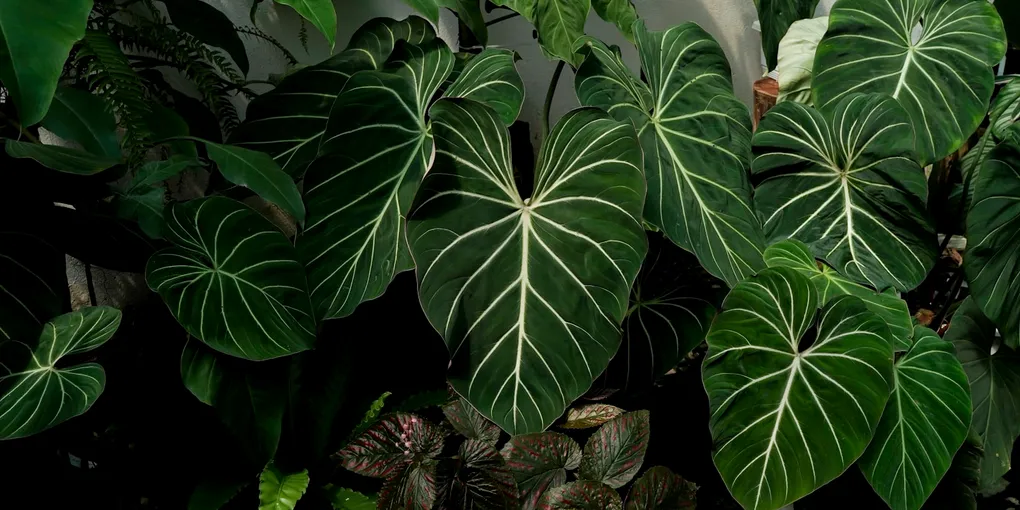
Philodendron gloriosum is a rhizomatous Philodendron grown for its huge, velvety, heart-shaped leaves — deep green with striking pale, near-white veins that fan out across the leaf surface like brushstrokes. What sets it apart from most of the genus, though, isn’t the leaf color; it’s the growth habit. Gloriosum doesn’t climb or vine at all. It grows from a thick, creeping rhizome that crawls along the surface of the soil, sending up one leaf at a time from its growing tip while older growth trails behind it. That’s unusual for philodendrons, most of which are climbers that want a pole or trunk to scale — gloriosum wants the opposite: room to spread horizontally.
Growth habit and pot shape
Because the rhizome grows outward across the soil surface rather than upward, a tall pot is the wrong tool for this plant. Use a wide, shallow pot instead, one that gives the rhizome room to travel as it grows rather than a narrow column of soil it will never use. Plant the rhizome mostly on the surface, pressing it lightly into the mix with just a thin layer of soil over the roots, rather than burying it — planting it too deep is a common way to stall growth or invite rot. As the plant matures and the rhizome reaches the edge of the pot, that’s your cue to size up rather than let it grow over the rim.
Light
Bright, indirect light keeps the leaves large and the white veining crisp. A spot a few feet back from an east- or south-facing window, or filtered light through a sheer curtain, works well. Direct sun scorches the velvety leaf surface, while too little light produces smaller leaves spaced further apart along the rhizome as the plant stretches to find better conditions.
Watering
Let the top inch or two of soil dry out before watering thoroughly. Gloriosum’s thick rhizome stores some water and energy, which makes the plant more forgiving of a missed watering than most aroids, but it’s also genuinely vulnerable to rot if the rhizome sits in soggy soil for extended periods. When in doubt, wait — a slightly underwatered gloriosum recovers far faster than one with a rotting rhizome. See how to identify and fix root rot if the rhizome starts feeling soft rather than firm.
Soil and pot
A chunky, fast-draining aroid mix is essential given how exposed the rhizome sits at the soil surface — standard potting soil cut generously with perlite and orchid bark. See how to make a chunky aroid potting mix for ratios. A pot with a drainage hole is non-negotiable; water pooling around a surface-level rhizome is one of the fastest ways to lose the plant.
Humidity
Average household humidity is tolerated, but gloriosum does noticeably better above 50-60%, with larger leaves and less risk of crispy edges. See how to increase humidity for houseplants for practical ways to raise it, especially if you’re growing the plant in a drier climate or during winter heating season.
Propagation
Gloriosum propagates readily from rhizome divisions. Cut a healthy section of rhizome that includes at least one node and a leaf or growth point, let the cut ends callus over for a few hours, then set it on top of a chunky, moist mix rather than burying it. New roots and a new growing tip typically emerge from the node within a few weeks. See how to propagate houseplants from cuttings for general technique.
Toxicity
Like other philodendrons, gloriosum contains calcium oxalate crystals throughout its tissue and is toxic to cats, dogs, and people if chewed or swallowed, causing oral irritation, drooling, and swelling. Keep the trailing rhizome out of reach of pets that like to chew on low-growing foliage.
Common problems
Rhizome feels soft or mushy is the most serious issue with this plant and almost always means overwatering or a rhizome planted too deep. Unpot it, trim away any soft brown sections back to firm white tissue, and replant shallowly in fresh, fast-draining mix.
Small leaves with faint veining usually points to insufficient light. Move the plant closer to a bright window; new leaves should come in larger and with more pronounced white veining once light improves.
Rhizome stalls and stops producing new leaves can happen if the pot has run out of room to crawl into, or if the plant has gone through a stressful change like a repot or move. Give it a wider pot to grow into and be patient — gloriosum isn’t a fast grower even under good conditions.
Yellowing leaves in small numbers as older leaves are shed is normal; widespread yellowing points to overwatering rather than a light or nutrient problem.