How to Tell if a Houseplant Is Dead or Just Dormant
A plant with no leaves, collapsed growth, or soil that looks completely empty isn’t automatically dead. Some plants naturally shut down for part of the year and come back on their own, and it’s easy to mistake that normal cycle for the plant having died, especially if you’ve never owned that species through a full season before. Before you toss a pot in the trash, there are a few concrete ways to check what’s actually going on underneath.
The scratch test
This is the fastest way to check a stem, cane, or branch. Take a fingernail or the edge of a blunt knife and scratch a small patch of the outer surface. Green or white tissue underneath means that section is alive. Brown, dry, and brittle tissue underneath means that part is dead. Work your way down the stem toward the soil if the first spot you check comes back dead — a plant can be dead at the tip and still alive lower down, and the base is where new growth is most likely to come from anyway.
Checking roots, rhizomes, corms, and bulbs
Leaves and stems aren’t the only place life hides. Many plants that appear to vanish entirely above the soil are storing everything they need underground.
- Roots: Gently tip the plant out of its pot and look at the root ball. Firm, light-colored roots are alive. Dark, mushy, or foul-smelling roots are dead or actively rotting — see how to identify and fix root rot for what healthy versus rotted roots look and smell like in more detail.
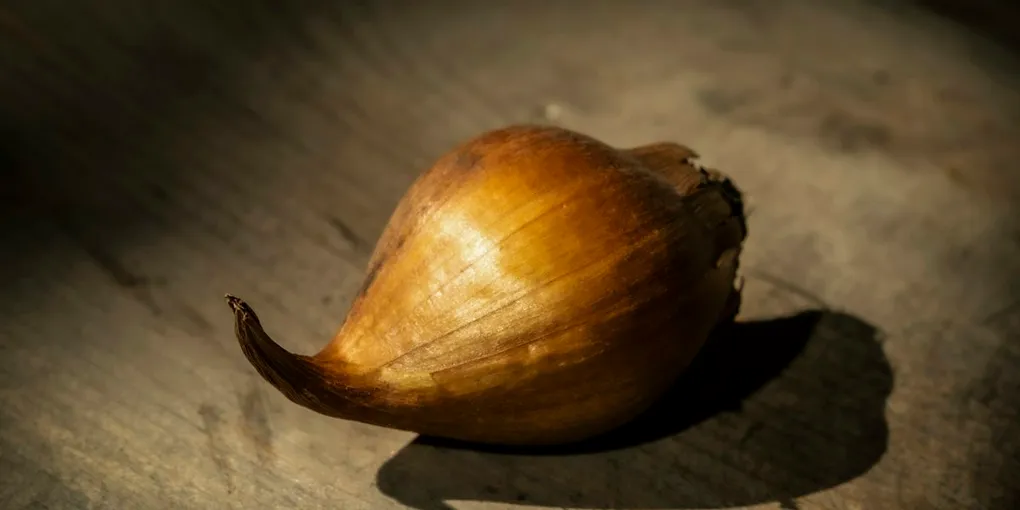
- Rhizomes and tubers (ZZ plants, some begonias, caladiums): Gently dig down until you find the storage structure. It should feel firm and solid, similar to a raw potato. Mushy, hollow, or discolored tissue means that section has died; a firm one, even under soil that looks completely bare above it, means the plant is very likely still alive and simply resting.
- Bulbs and corms: Same idea — a healthy bulb feels solid and heavy for its size, with no soft spots when you press it. A dead one is soft, deflated, or hollow when you squeeze it gently.
If the underground structure is firm, resist the urge to keep digging around it or disturbing it further. Repeated poking does more harm than the dormancy itself.
Dormancy is normal for some plants — not a sign of bad care
Some houseplants are supposed to lose all or most of their leaves for part of the year, and it trips up a lot of new owners into thinking they’ve killed a plant that’s actually doing exactly what it’s supposed to do.
Caladiums are the clearest example: they grow from a tuber, and as the season shifts, the leaves yellow, wither, and eventually disappear entirely, sometimes leaving what looks like an empty pot for weeks or months. The tuber is fine underneath, and new growth typically returns once conditions warm up again. See how to care for a caladium for what normal dormancy looks like in that plant specifically versus a genuine problem.
Some alocasias do the same thing, especially if conditions get cooler, drier, or lower-light than what they prefer — the whole top of the plant can die back to nothing while the corm below stays alive and eventually resprouts.
Many other houseplants slow down without fully disappearing. Growth stalls, leaves that drop are lower and older ones rather than the whole plant collapsing, and nothing new appears for months at a stretch — this is typical of a lot of houseplants over winter, when light drops and plants naturally rest rather than push new growth. See winter houseplant care for what to expect and adjust during that stretch.
The distinguishing pattern for normal dormancy: gradual dieback, usually tied to a season change, with a firm structure underneath and no bad smell. Sudden collapse, mushy stems, or a foul odor from the soil is not dormancy — that points to rot instead, and calls for the triage steps in how to revive a dying houseplant.
How long is too long to wait
This depends on the plant, but a few general guideposts help:
- A few weeks of no visible change in a plant that’s otherwise showing firm tissue below the soil is completely normal — don’t act on impatience alone.
- A couple of months with no new growth is still within range for a plant going through a genuine seasonal dormancy, particularly over winter.
- Beyond that, especially once the season that would normally trigger new growth has clearly arrived and nothing’s happening, it’s worth digging down again to recheck firmness. A structure that’s gone from firm to soft during the wait means it’s died since your last check, not that it was always dead.
The scratch test and a firmness check take less than a minute and settle the question far better than staring at bare soil and guessing. When in doubt, check before you compost — a plant that looks completely gone very often isn’t.