How to Care for an Oxalis (Shamrock Plant)
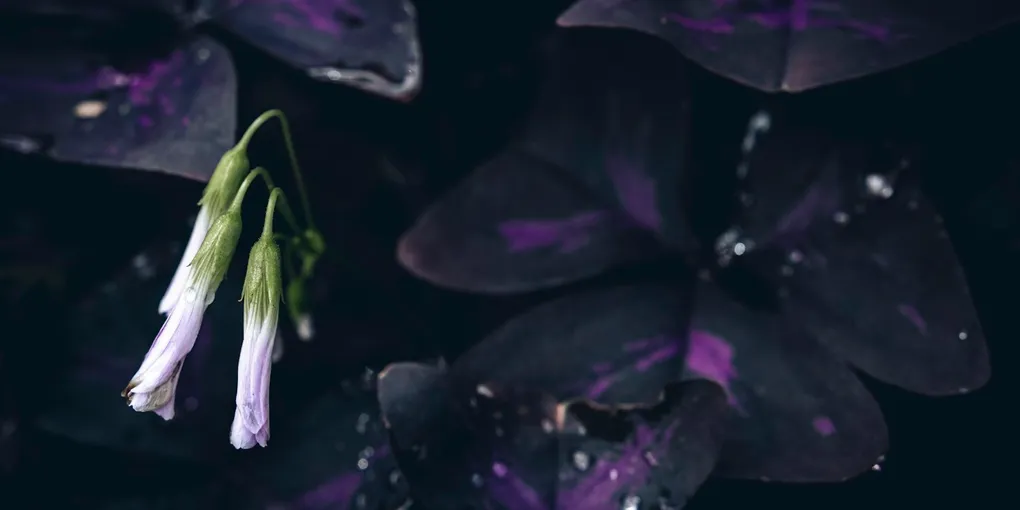
Oxalis triangularis, commonly sold as a shamrock plant or false shamrock, grows deep purple, triangular leaves that look like oversized clover and fold shut at night before reopening with the morning light. It’s an easy plant overall, but its habit of periodically dying back completely and regrowing from scratch throws off a lot of new owners who assume the plant has died for good.
Light
Oxalis wants bright, indirect light, with a bit of direct morning sun being fine. Enough light matters more for this plant than for most, since its leaves respond directly to light levels — in a dim spot they’ll stay folded shut for much of the day instead of opening fully, and the deep purple coloring tends to fade toward green with too little light. See how much light do houseplants need for help judging what a given window actually provides.
Watering
Let the top inch of soil dry out before watering again, then water thoroughly. Oxalis grows from small bulb-like rhizomes that store some moisture, so it tolerates a missed watering better than it tolerates soil that stays consistently wet — overwatering is the more common way this plant runs into trouble. See watering houseplants the right way for judging by soil feel instead of a fixed schedule. Watering needs also change significantly through the year, since this plant essentially stops needing water at all during dormancy — see below.
Soil and pot
A standard, well-draining potting mix works well, in a pot with a drainage hole. Because oxalis grows from small rhizomes just under the soil surface, a wider, shallower pot suits its growth habit better than a tall, narrow one.
Dormancy
This is the trait that confuses people most about oxalis. Every so often — sometimes on a seasonal cycle, sometimes at less predictable intervals depending on conditions — the plant will drop all its leaves and appear to die completely, leaving nothing but bare soil. This is a natural dormancy period, not the plant dying, and it’s driven by the same rhizomes that let the plant regrow rather than any disease or care mistake. See winter houseplant care for more on how houseplants generally slow down or rest during darker, cooler months, though oxalis dormancy can happen somewhat independently of season.
When a plant goes dormant, stop watering almost entirely and let the soil stay mostly dry, moving the pot somewhere cool and out of the way if you like. Resist the urge to water it back to life or to toss the pot out — watering a dormant plant heavily is more likely to rot the rhizomes than to bring it back faster. After anywhere from a few weeks to a couple of months, new growth will push up from the soil on its own, at which point you can resume normal watering and move it back to a bright spot.
Toxicity
Oxalis contains oxalic acid throughout the plant and is toxic to cats and dogs if eaten in quantity, with effects ranging from drooling and vomiting to, in more serious cases involving a large amount, kidney problems. Keep it out of reach of pets that like to chew on leaves — see pet-safe houseplants for cats and dogs for safer alternatives if that’s a concern in your home.
Common problems
Leaves staying folded during the day is usually just a light or temperature response rather than a problem. Oxalis leaves close at night and also tend to close in response to low light, cold drafts, or being touched or jostled — they should reopen within an hour or so once conditions are back to normal.
The plant appears to die back completely is almost always dormancy rather than death, especially if it’s happened before or if it follows a stretch of reduced light or cooler temperatures. Hold off on watering and give it time before assuming the worst — see the dormancy section above.
Mushy or rotted rhizomes after a plant fails to regrow from dormancy usually point to watering that continued during the rest period instead of tapering off. Keeping soil mostly dry while the plant is dormant is the main thing to get right to avoid this.
Faded, more green-than-purple leaves point to too little light rather than anything wrong with the soil or watering. Moving the plant somewhere brighter should bring the deeper purple coloring back in new growth.