How to Care for an Elephant Bush
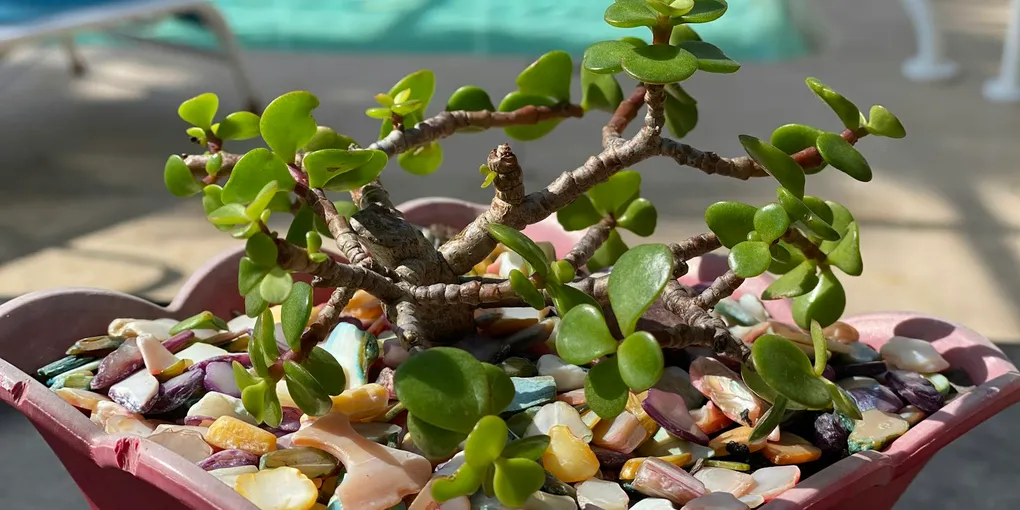
Elephant bush (Portulacaria afra) is a woody-stemmed succulent with small, round leaves on reddish-brown stems that grows into a naturally tree-like shape over time. It’s easy to mistake for a jade plant at a glance, but the two are different species with one meaningful difference worth knowing before you buy.
Not the same plant as a jade plant
Elephant bush and the jade plant get confused constantly — both have thick stems and small, rounded, glossy leaves, and both get sold as easy beginner succulents. But elephant bush is Portulacaria afra, not Crassula ovata, and the two aren’t closely related. The practical reason this matters: elephant bush is non-toxic to cats and dogs, while jade plant is toxic if chewed. If you want the look but have pets that like to nibble on houseplants, elephant bush is the safer pick of the two.
Light
Elephant bush wants bright light and does best with several hours of direct sun a day — it’s a genuine sun-lover, more so than many succulents sold as houseplants. In low light, it stretches into leggy, sparse growth and the reddish tint on the stems tends to fade toward plain green.
Watering
Let the soil dry out completely between waterings, the same approach you’d use for succulents generally. Elephant bush is very drought-tolerant once established and stores water in its thick stems and leaves. Overwatering — soil that stays damp for extended periods — is by far the more common way this plant runs into trouble, usually showing up as soft, blackened stems.
Soil and pot
Use a fast-draining succulent or cactus mix, and choose a pot with a drainage hole. This plant’s roots don’t tolerate sitting in wet soil, so drainage matters more than any other factor in the pot setup.
Toxicity
Elephant bush is non-toxic to cats and dogs, which is one of its bigger selling points compared to its jade-plant lookalike. See pet-safe houseplants for cats and dogs for more options if you’re building out a pet-safe plant collection.
Pruning and bonsai styling
Elephant bush responds very well to pruning and is a popular choice for beginner succulent bonsai — it grows faster than most true bonsai trees, tolerates aggressive trimming, and naturally develops a thick, gnarled trunk with age that looks the part. See how to prune houseplants for the general technique; this plant is more forgiving of hard pruning than most, so it’s a reasonable one to practice shaping on.
Propagation
Stem cuttings root easily. Let the cut end callous over for a day or two so it doesn’t rot when placed in soil, then set it in a well-draining mix and treat it like an established plant — watering sparingly until roots take hold.
Common problems
Soft, blackened stems are a sign of overwatering and possible rot. Cut back on watering immediately and check that the pot is actually draining; if a section of stem is already mushy, trim back to firm, healthy tissue.
Shriveled leaves point to underwatering, though it takes a while to get there given how drought-tolerant this plant is. A thorough watering should plump the leaves back up within a day or so.
Leggy, stretched growth with wide gaps between leaves means the plant isn’t getting enough light. Move it somewhere brighter, and prune back leggy stems to encourage bushier new growth.
Dropped leaves after being moved or bumped are usually just mechanical — the leaves are only loosely attached to the stem, similar to a few other succulents, and a little leaf drop from handling isn’t a sign of a care problem.