How to Care for a Ti Plant (Hawaiian Ti, Cordyline fruticosa)
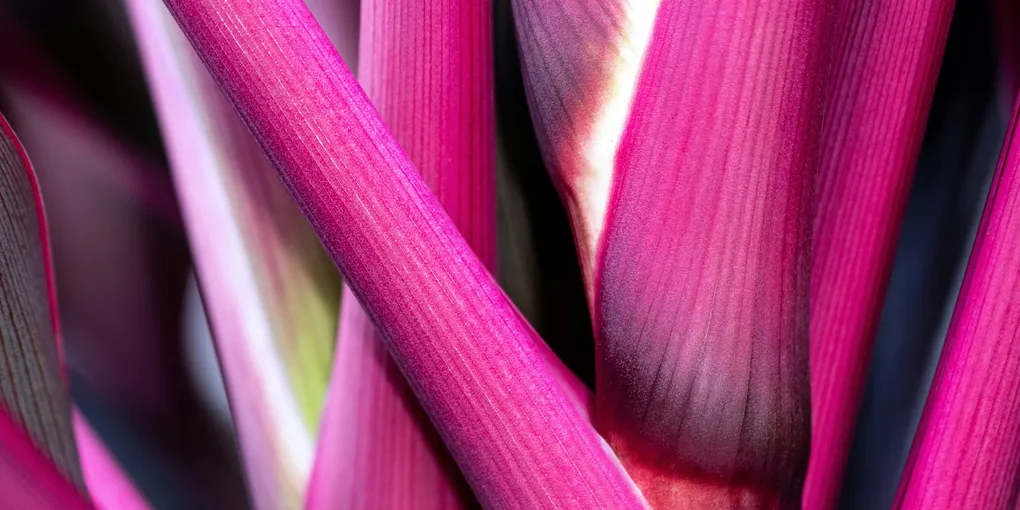
The Ti Plant — Cordyline fruticosa, also sold as Hawaiian Ti or the “good luck plant” — is grown almost entirely for its leaves: broad, glossy, and streaked in combinations of red, pink, purple, maroon, and cream depending on the cultivar. Varieties like ‘Red Sister’ and ‘Florida Red’ lean into deep magenta and burgundy, while others stay closer to green with just a blush of pink at the edges. It’s the same species behind the general-purpose Cordyline care guide on this site, but Ti Plant specifically refers to the many named cultivars grown for maximum color, and it comes with one habit worth covering on its own: it is one of the most tap-water-sensitive houseplants you can own, and that sensitivity shows up as leaf damage faster and more visibly than it does on most other plants.
Light
Give a Ti Plant bright, indirect light, and let it have a little direct morning sun if you can. Color intensity tracks light almost directly with this plant — leaves that emerge in low light come in duller, greener, and thinner, while leaves grown in strong light hold their full red, pink, or purple saturation. If your plant’s newest growth looks noticeably less vivid than its older leaves, that’s a light problem before it’s anything else. Avoid strong afternoon sun through unfiltered glass, though, which can scorch leaves that aren’t acclimated to it.
Watering
Keep the soil evenly moist without letting it go soggy — water when the top inch or so has dried, and never let the pot sit in standing water. The bigger issue with this plant isn’t how often you water, it’s what you water with. Ti Plant is notoriously sensitive to the fluoride, chlorine, and salts commonly found in tap water, and even a single season of watering with treated tap water can leave a visible trail of brown, dead tissue along the tips and margins of otherwise healthy leaves. This is a chemical burn, not a fungus or a pest, and no amount of adjusting your watering frequency will fix it if the water itself is the problem.
If your plant is showing this kind of damage, switch to filtered water, distilled water, or rainwater and see the best water for houseplants for a breakdown of which municipal water additives cause the most trouble and why Cordyline and its relatives react so strongly. Rainwater is naturally free of these additives and works well for this plant if you have a way to collect it — see how long you can store rainwater for plants if you’re setting up a supply. Leaving tap water out overnight does not remove fluoride, so that common trick won’t help here the way it can with chlorine.
Soil and pot
A rich, well-draining potting mix works well, in a pot with a drainage hole. Ti Plant wants consistent moisture more than most Cordyline relatives, but it still doesn’t tolerate waterlogged roots — good drainage keeps the balance between “evenly moist” and “wet” from tipping the wrong way.
Humidity
This is a tropical plant native to humid understory conditions, and it shows in dry indoor air: low humidity, especially combined with heating in winter, produces the same kind of brown, crispy tip damage as fluoride does, which can make the two causes hard to tell apart. Running a humidifier nearby or grouping it with other plants helps. See how to increase humidity for houseplants for practical setups. If you’re troubleshooting brown tips, water quality is worth ruling out first since it’s the more common cause on this particular plant, but humidity is the second thing to check.
Toxicity
Ti Plant is toxic to cats and dogs if chewed or ingested, potentially causing drooling, vomiting, and lethargy. Keep it well out of reach of pets that like to chew on leaves — see pet-safe houseplants for cats and dogs for non-toxic alternatives if you need a plant for a home with curious animals.
Common problems
Brown, crispy tips and margins on otherwise healthy-looking leaves are the single most common complaint with this plant, and fluoride or other additives in tap water are the most likely cause. Switch to filtered, distilled, or rainwater and the next flush of new growth should come in clean, though existing damaged tissue won’t heal.
Dull or fading color on new leaves points to insufficient light rather than a watering issue. Move the plant somewhere brighter and new growth should come back with fuller color; older, already-faded leaves won’t recolor on their own.
Leaf drop or sudden wilting, especially after a cold draft or a move near an AC vent, is a reaction to temperature stress. This plant is genuinely tropical and doesn’t tolerate chilly air or sudden swings well — keep it away from drafty windows and exterior doors in winter.
A bare, cane-like lower stem as the plant ages is normal, not a sign of a problem. Like other Cordyline varieties, it naturally sheds its lowest leaves over time, leaving a woody cane topped with a rosette of foliage — you can cut the cane back to control height and it will usually resprout below the cut.