How to Care for a Philodendron Selloum (Tree Philodendron)
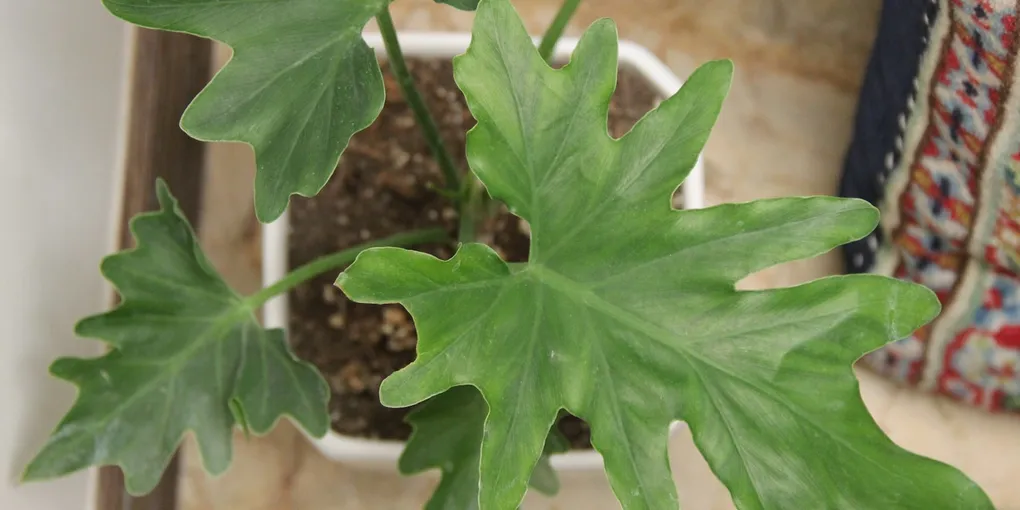
Philodendron selloum, botanically Thaumatophyllum bipinnatifidum, is a large self-heading philodendron — meaning it grows upright from a central point rather than vining. It’s often called tree philodendron because older plants develop a thick, semi-woody trunk over the years, eventually reaching several feet tall and wide with deeply lobed, almost feathery leaves. Unlike vining philodendrons such as philodendron brasil, it doesn’t climb and doesn’t need a moss pole or other support — it’s structurally its own thing from the start.
Light
Bright, indirect light produces the best leaf size and the deepest lobing. It tolerates medium light reasonably well and will survive in lower light, but growth slows and new leaves come in smaller and less deeply cut. Avoid intense direct sun, which can scorch the leaves — a few feet back from a bright window, or a spot with filtered light, works well. For the general logic behind matching philodendrons to a spot in your home, see how much light do houseplants need.
Watering
Let the top 1-2 inches of soil dry out before watering again, then water thoroughly. This plant’s large leaves mean it moves a fair amount of water, so it will wilt somewhat dramatically when thirsty — but it also doesn’t tolerate sitting in wet soil for extended periods. If you’re unsure whether drooping means over- or under-watering, check the soil directly rather than going by leaf appearance alone.
Soil and pot
A chunky, well-draining potting mix — a standard houseplant mix amended with perlite or orchid bark — suits it well. As the plant matures it puts out substantial roots and benefits from a sturdy, reasonably deep pot with good drainage. Because it grows large, plan on repotting every year or two while it’s actively maturing; see how to repot a houseplant for the general process.
Humidity
Average room humidity is fine for an established plant. Higher humidity encourages larger, glossier leaves, but this isn’t a plant that struggles in typical indoor conditions the way many finer-leaved tropicals do.
Size and growth habit
This is a plant that eventually gets big — mature specimens can spread 5 feet or more across and develop a visible trunk with leaf scars marking where older leaves have dropped. It’s a poor fit for a small shelf or tight corner long-term. Give it floor space where its leaves can spread without constantly brushing against furniture or walls, and expect to prune off the oldest, lowest leaves periodically as new ones emerge from the crown.
Toxicity
Like other philodendrons, Philodendron selloum contains calcium oxalate crystals and is toxic to cats, dogs, and people if chewed or ingested, causing mouth and throat irritation, drooling, and swelling. Keep it out of reach of pets and small children. See pet-safe houseplants for cats and dogs if you need non-toxic alternatives for a pet-heavy household.
Common problems
Yellowing lower leaves in small, occasional numbers is normal — the plant naturally sheds its oldest leaves as it grows a trunk. Frequent or widespread yellowing usually means overwatering.
Small or pale new leaves with shallow lobing point to insufficient light. Move the plant closer to a bright window and new growth should come in larger and more deeply cut over time.
Brown, dry leaf tips or edges are often a sign of low humidity combined with underwatering, or a buildup of mineral salts from tap water, especially if you’re also seeing a crusty residue on the soil surface.
A leaning or top-heavy plant is common once a trunk forms, since the weight of the leaf crown can outpace the root system’s ability to anchor it. See how to support a leaning houseplant for staking options.