How to Care for a Maidenhair Fern
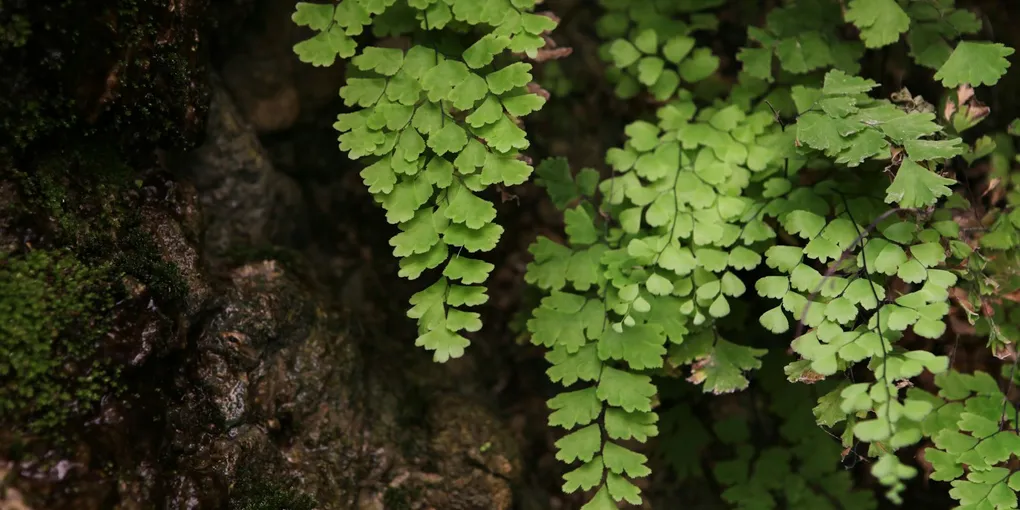
Maidenhair fern (Adiantum) is grown for its wiry black stems and delicate, fan-shaped leaflets that seem to float above the soil — but that same delicacy makes it one of the fussier houseplants you can bring home. Where a Boston fern or bird’s nest fern will tolerate a missed watering or a dry stretch of air, a maidenhair fern wilts within hours of either one. It’s not a plant to pick if you want something low-maintenance, but it rewards steady attention with genuinely striking, airy foliage.
Light
Give it bright, indirect light and keep it out of direct sun entirely — even a short stretch of direct afternoon sun will scorch its thin, delicate leaflets. A few feet back from an east or north-facing window, or filtered light from a sheer curtain, works well. Too little light will slow growth and thin out the foliage, but with this plant, getting watering and humidity right matters far more than chasing the perfect light spot.
Watering
Keep the soil consistently, evenly moist at all times — not soggy, but never allowed to dry out even briefly. This is the biggest adjustment coming from almost any other houseplant: instead of waiting for the top inch or two of soil to dry before watering, check a maidenhair fern’s soil daily, and water as soon as the surface starts to feel dry rather than waiting for it to dry out further. A single missed watering that lets the pot dry completely is often enough to wilt the whole plant within a day. See watering houseplants the right way for the general principles of judging by feel, though this plant sits at the moisture-loving extreme of that spectrum rather than the middle.
Soil and pot
Use a light, moisture-retentive mix with plenty of organic matter — a standard potting mix amended with extra peat or coco coir holds water well without staying waterlogged. Still use a pot with a drainage hole, since “consistently moist” is not the same as “sitting in standing water,” which will rot the roots just as it would with any other plant.
Humidity
Humidity is the single biggest factor in whether this plant thrives or constantly struggles. Maidenhair fern wants humidity well above what a typical home offers — ideally 50% or higher — and normal indoor air, especially in winter with heating running, is usually too dry for it on its own. See how to increase humidity for houseplants for ways to raise it: a pebble tray and grouping plants together help at the margins, but a nearby humidifier, a naturally humid bathroom (see best houseplants for bathrooms), or growing it under a glass cloche or in a terrarium-style enclosure will do far more for a plant this sensitive.
Common problems
Fronds crisping and dying back rapidly, sometimes within a single day, is almost always caused by one dry-out or one sharp drop in humidity. Unlike most houseplants, there’s little warning period between “slightly stressed” and “collapsed.” If this happens, don’t panic and don’t assume the plant is dead: cut the damaged fronds back hard to the base, keep the soil consistently moist, and raise humidity as much as you can. As long as the rhizome underneath the soil is still alive, new fronds will often push up within a few weeks, essentially letting the plant regrow from scratch.
Brown, crispy leaflet edges without a full collapse point to humidity that’s chronically a little too low, or hard tap water high in minerals and chlorine. Both are worth addressing before assuming the plant is simply doing poorly for no reason.
Slow growth or dieback in winter is common as light and humidity both drop with indoor heating season. Keep up with humidity and consistent watering through winter rather than easing off, since this plant doesn’t have the same tolerance for a dormant, neglected stretch that hardier houseplants do.
If this all sounds like more upkeep than you want to take on, it’s worth being honest that a maidenhair fern is a step up in difficulty from the site’s other ferns — a Boston fern or bird’s nest fern will give you a similar lush, green look with far more room for error.